
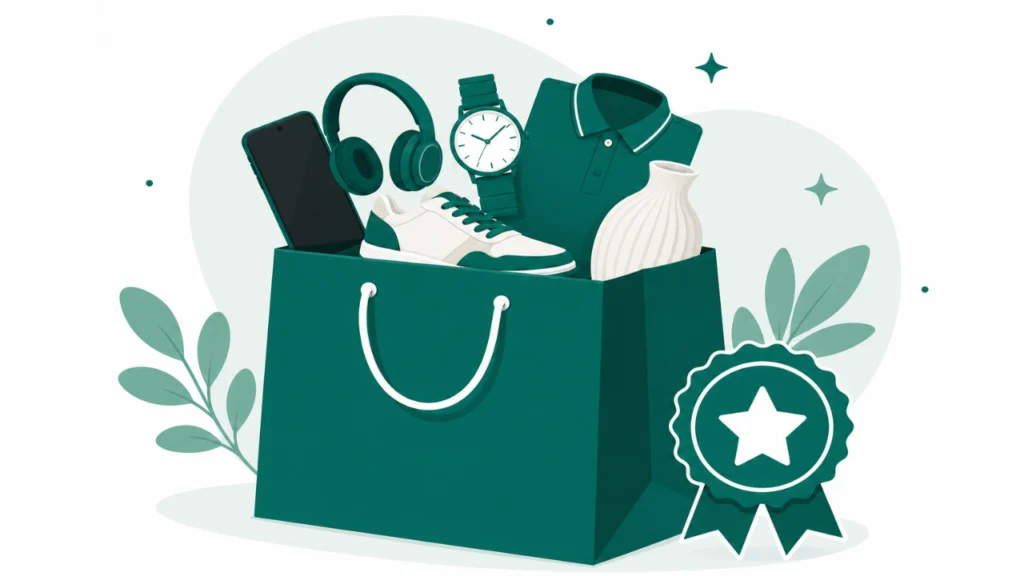
The best products to sell online in Nigeria fall into a few clear categories and they include phones and accessories, fashion and thrift items, beauty and hair products, everyday essentials, and digital products.
If you’re trying to decide what to stock before you build your store, this guide is for you. It breaks down where the money is, and how to start selling once you’ve picked your niche. In case it’s your first time exploring what an online store is, this guide covers everything you need to know about starting an online store in 2026 from building your online store to your first sale.
What Makes a Best Product to Sell Online in Nigeria?
Before picking any item, run it through these three filters.
- First, demand: is it something people search for, forward on WhatsApp, or ask about in Instagram DMs regularly, rather than a one-off trend?
- Second, margin: can you buy it cheap enough to double or triple your money after packaging and delivery?
- Third, logistics: will it survive a bike ride across Lagos traffic, and can your buyer pay on delivery if they’re not ready to trust you with a bank transfer yet?
Products that tick all three boxes are usually the ones people already buy often, that’s why the most profitable products to sell online tend to be things people replace or restock regularly, rather than items bought once and forgotten.
A quick way to test this before committing capital is to check how often a product shows up in local WhatsApp status updates, Instagram shop pages, and Nairaland business threads. If the same items keep resurfacing over a few weeks, that’s a signal to commit.
Some Best Products to Sell Online
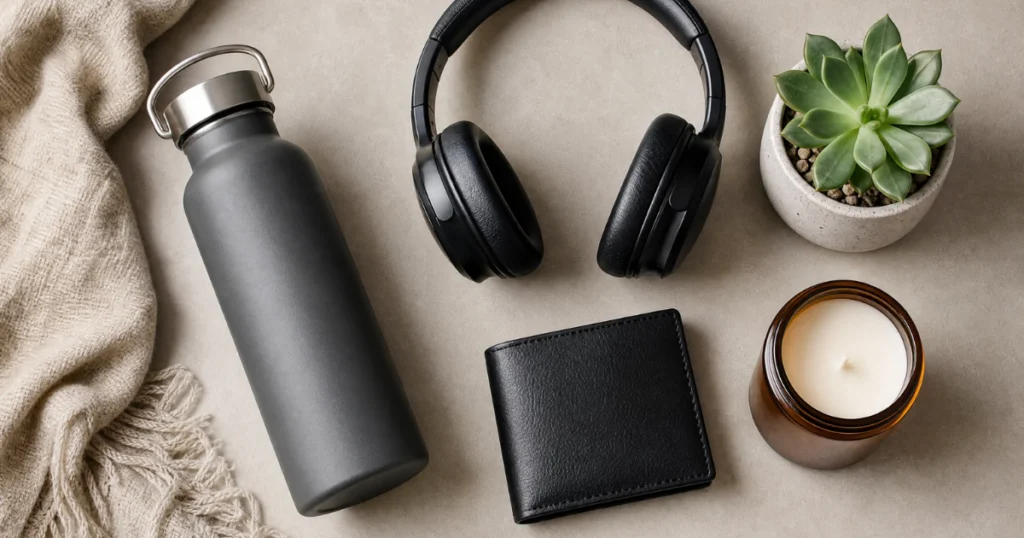
Generally, the best products to sell online sit at the intersection of two things. They’re something people need often, and something you can source, package, and deliver without losing sleep over breakages or long shipping delays. Below are some products you can sell online in Nigeria.
Phones, Gadgets and Accessories
Phones remain one of the most reliable high-demand products to sell, because nearly everyone needs one. Accessories get replaced constantly too. Screen protectors crack, chargers spoil, and earpieces get lost, which means repeat customers even if you never sell another phone. Popular picks include budget Android phones, power banks, wireless earbuds, phone cases, and car phone holders. The margin on accessories is often better than on the phones themselves. Sourcing costs are low, and buyers rarely negotiate hard on a ₦2,000 charger.
If you’re weighing this as one of your trending products to sell online, start with accessories before phones. They’re cheaper to test and easier to ship without damage. They also let you learn your customers’ buying patterns before you commit real capital.
Fashion and Thrift (Okrika)
Fashion never really goes quiet in Nigeria. Thrift, popularly called Okrika, has become one of the most profitable entry points for new sellers. A bale of quality thrift jeans or shirts can be sourced for a fraction of what each piece resells for. This is especially true when you curate by trend, such as baggy fits or vintage jackets for the campus crowd.
New fashion items like ankara gowns, corporate wear, and sneakers also sell steadily, particularly around festive seasons. The key with fashion is presentation: good lighting and honest sizing photos do more for conversion than any caption. If you’re not sure where to source from yet, our guide on how to scale an online fashion business walks through how to run an online fashion business.
Beauty, Hair and Skincare
Skincare, wigs, and haircare products are consistently among the best products to sell online. This category is driven by a beauty-conscious market that treats these as regular purchases. Serums targeting hyperpigmentation and acne, human hair wigs, and edge control or hair growth oils all have loyal repeat buyers. Customers often return for the same product once they find one that works. This category rewards sellers who build trust through consistent stock and honest before-and-after content.
Everyday Essentials (Fast-Moving Consumer Goods)
If you want steady daily income rather than occasional big wins, everyday essentials are hard to beat. Items like seasoning cubes, spaghetti, vegetable oil refill packs, baby wipes, sanitary products, and recharge cards get bought again and again regardless of the economy. They’re low margin per unit, but the volume and repeat frequency make up for it. This works especially well if you’re selling within a local delivery radius where turnaround is fast and cheap. Since these items depend on quick, reliable dispatch, it’s worth comparing delivery companies in Nigeria before you pick one to partner with.
Digital Products
For sellers who want to skip logistics entirely, digital products are worth serious consideration.Canva templates, exam prep guides forWAEC and JAMB, Notion planners, and CV templates can be created once and sold repeatedly, with no shipping and almost no restocking cost.
This is one of the few categories where margin isn’t a concern at all, since there’s no physical cost of goods after the first sale. It suits sellers with a design or content skill more than it suits pure resellers.
How to Start Selling Online in Nigeria
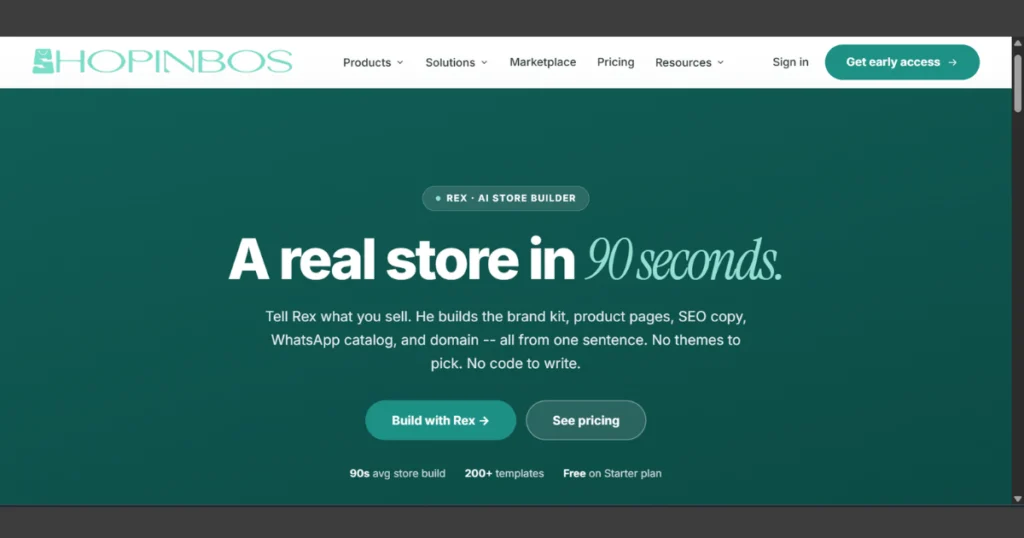
Once you’ve settled on a category, the next step is setting up somewhere customers can order from. A good store lets them pay you and get their item delivered without back-and-forth on WhatsApp.
A simple online store lets you list products with clear prices and accept payments directly, instead of chasing bank transfers. It also lets you track orders as your customer base grows past what DMs can handle. If you’re still collecting payment manually, our breakdown of how to receive payments online in Nigeria shows the options beyond just sharing your account number. Pairing that with a reliable supplier and a logistics partner who understands Nigerian delivery realities is what turns a good product choice into an actual business.
This is exactly the gap Shopinbos closes. Instead of juggling a payment link, a spreadsheet for orders, and a separate delivery contact, you can build your online store on Shopinbos in minutes.
Conclusion
There’s no single “best” product that works for everyone. The best products to sell online are the ones that match your capital and your patience for logistics. They also depend on how much hands-on customer service you’re willing to give.
Start with one category, get your first ten sales right, and expand once you understand your buyers. Nigeria’s online shoppers reward sellers who stay consistent in one lane, rather than chasing every trending product at once. Pick your category and commit to it for at least a few months before judging whether it’s working.
Whatever you choose to sell, a store that handles orders, payments, and customer trust properly will get you further. Don’t have an online store, no worries, you can sign up to join the Shopinbos waitlist and be among the first to get their store set up once it launches.
FAQs
Beauty and haircare products, along with phone accessories, tend to offer the best combination of demand and margin, since customers buy them repeatedly and sourcing costs stay low.
Yes. Categories like phone accessories, thrift fashion, and digital products can be started with as little as ₦20,000 to ₦50,000, since none require large upfront inventory.
Not immediately, many sellers start on Instagram or WhatsApp. However, a simple online store makes it easier to manage orders, accept payments, and look credible as you scale beyond DMs.
Fragile or bulky items with long delivery windows, and highly seasonal trend items with no repeat demand, tend to be the riskiest, since delivery costs and unsold stock eat into margins quickly.