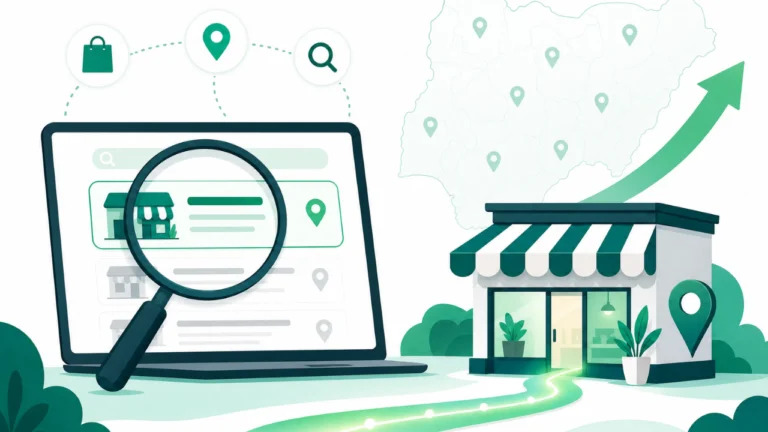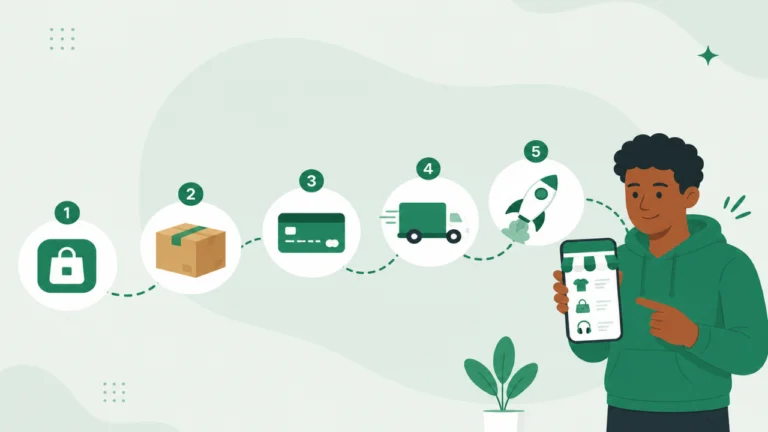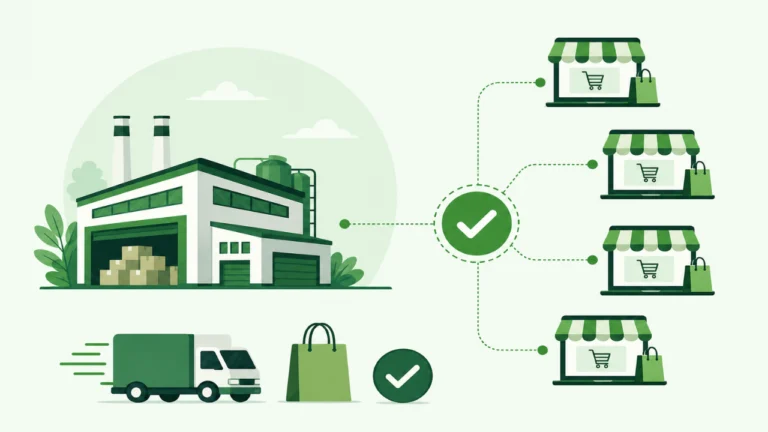


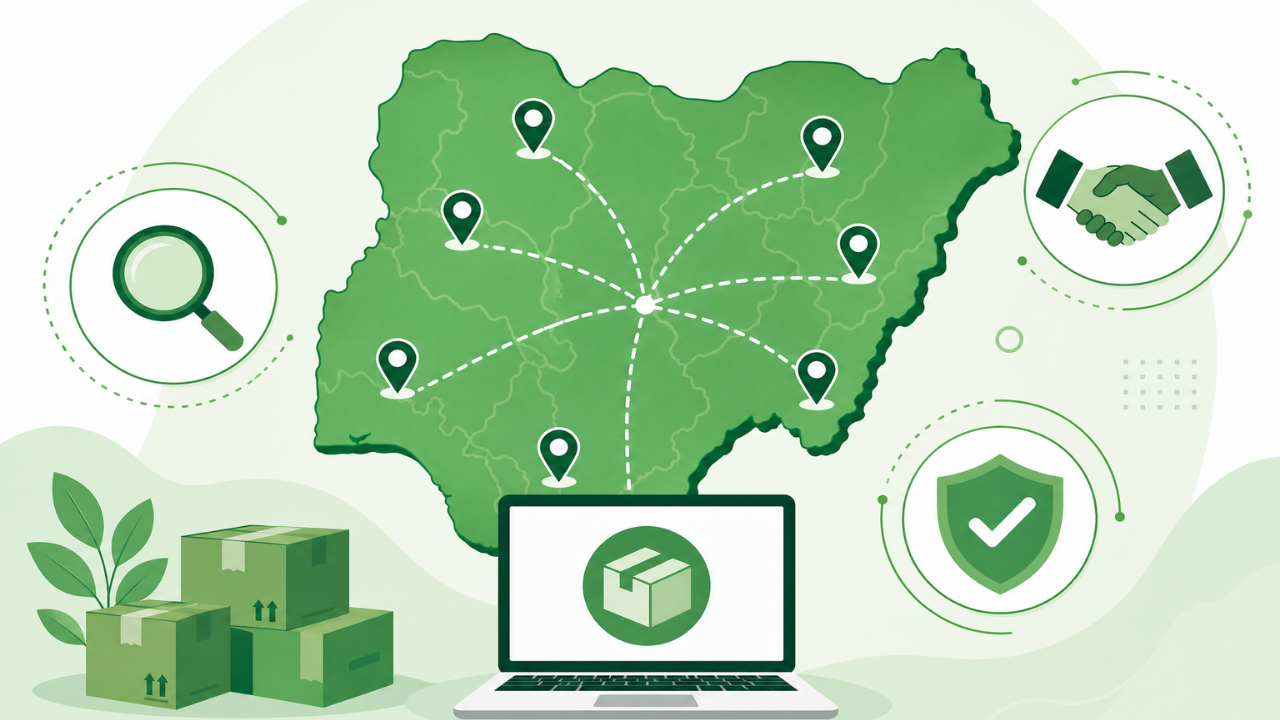
To find suppliers in Nigeria, start with wholesale markets like Balogun Market (Lagos), Onitsha Main Market, or Aba Market depending on your product category. For online sourcing, use platforms like Shopinbos Suppliers Marketplace, Alibaba, or Jiji. Always verify a supplier before paying by checking their business registration, requesting samples, and confirming their location on Google Maps.
Finding reliable suppliers is one of the biggest headaches for Nigerian online sellers. Whether you’re reselling fashion items, electronics, beauty products, or household goods, your entire business depends on sourcing right. A bad supplier means delayed orders, poor-quality products, angry customers, and money down the drain.
This guide breaks down exactly how to find suppliers in Nigeria, from physical markets to online platforms and more importantly, how to tell the trustworthy ones from the scammers.
What Does “Finding a Supplier” Mean for Nigerian Sellers?
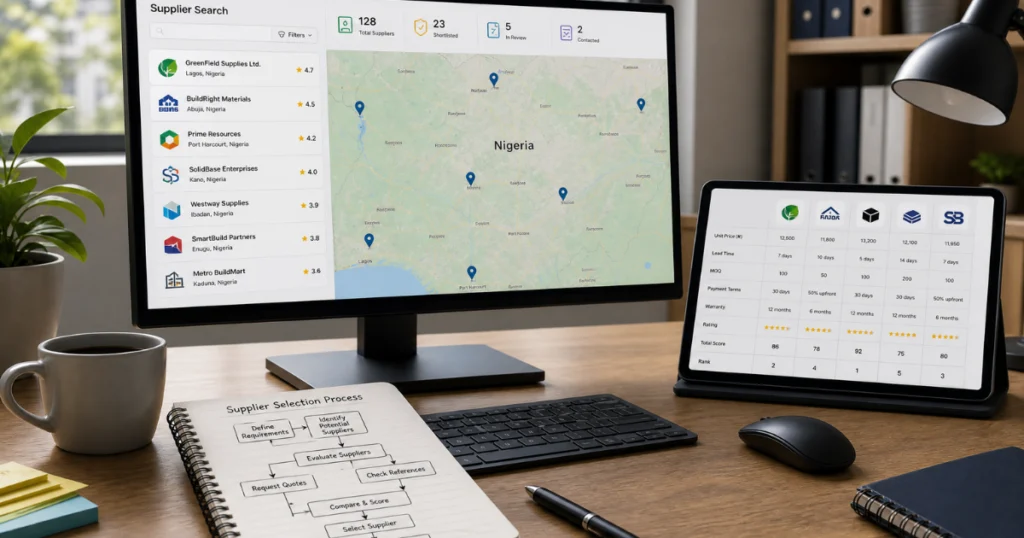
Before you start searching, it helps to understand what kind of supplier you actually need. Not all suppliers are the same, and mixing them up will cost you time and money.
Here’s a simple breakdown:
- Manufacturers: they produce the goods directly. Prices are lowest here, but minimum order quantities (MOQ) can be high.
- Wholesalers: they buy from manufacturers in bulk and sell to resellers. This is where most Nigerian sellers source from.
- Dropshipping suppliers: they hold the stock and ship directly to your customer. You never touch the product.
- Importers/traders: they bring goods in from China, Dubai, or Turkey and resell locally in Nigerian markets.
For most Instagram vendors and WhatsApp sellers in Nigeria, wholesalers and importers are the most accessible starting point. Knowing which type you need helps you search in the right places.
How to Find Suppliers in Nigeria Through Physical Markets
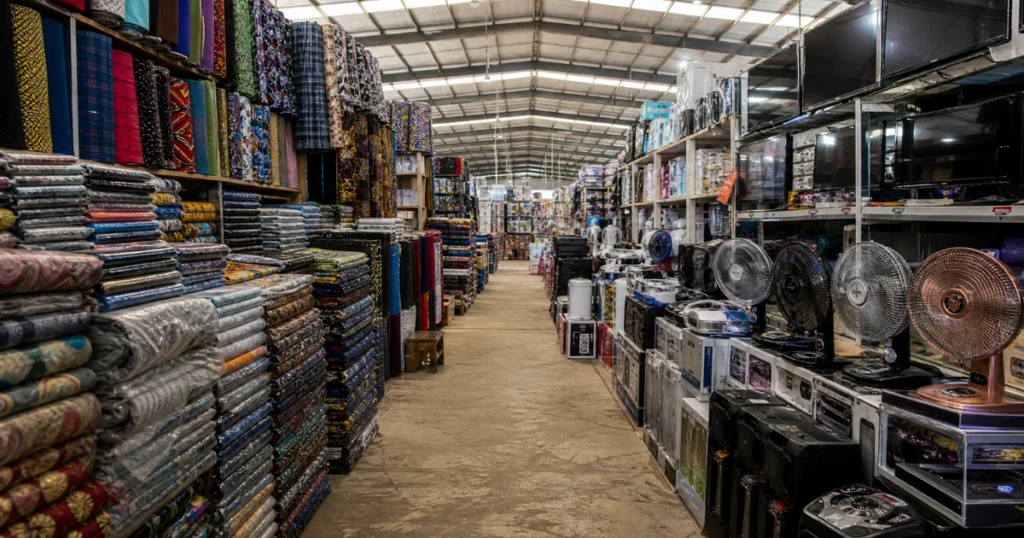
Nigeria’s physical wholesale markets remain one of the best places to source products especially if you want to inspect goods before buying, negotiate prices face-to-face, and build long-term relationships with suppliers.
Some of the major sourcing markets by product category include:
Fashion and Clothing:
- Balogun Market, Lagos Island: Nigeria’s largest wholesale fashion hub. If you’re looking for how to find clothing suppliers in Lagos, this is your first stop. You’ll find fabrics, ready-to-wear, shoes, bags, and accessories at wholesale prices.
- Ariaria Market, Aba: Known for locally manufactured footwear, bags, and clothing. Great for sellers who want to support Nigerian-made products.
- Aba Market: One of the largest markets in West Africa, ideal for clothing and fashion accessories.
Electronics:
- Alaba International Market, Lagos: The go-to market for electronics, gadgets, and phone accessories. Prices here are significantly lower than retail.
- Computer Village, Ikeja: Nigeria’s tech hub for laptops, phones, and computer accessories.
General Goods and FMCG:
- Onitsha Main Market, Anambra: One of the largest markets in Africa, covering everything from food items to household goods to building materials.
- Wuse Market, Abuja: A good option for sellers based in Abuja sourcing general merchandise.
When visiting physical markets, always go early in the morning, dress simply, and avoid flashing cash or expensive items. Most serious wholesalers will ask for your business details before giving you their best prices, so having a business name or a simple business card helps.
It also helps to always go for the best wholesale suppliers in Nigeria to avoid inconsistency in product quality or worse being scammed.
How to Find Wholesale Suppliers in Nigeria Online
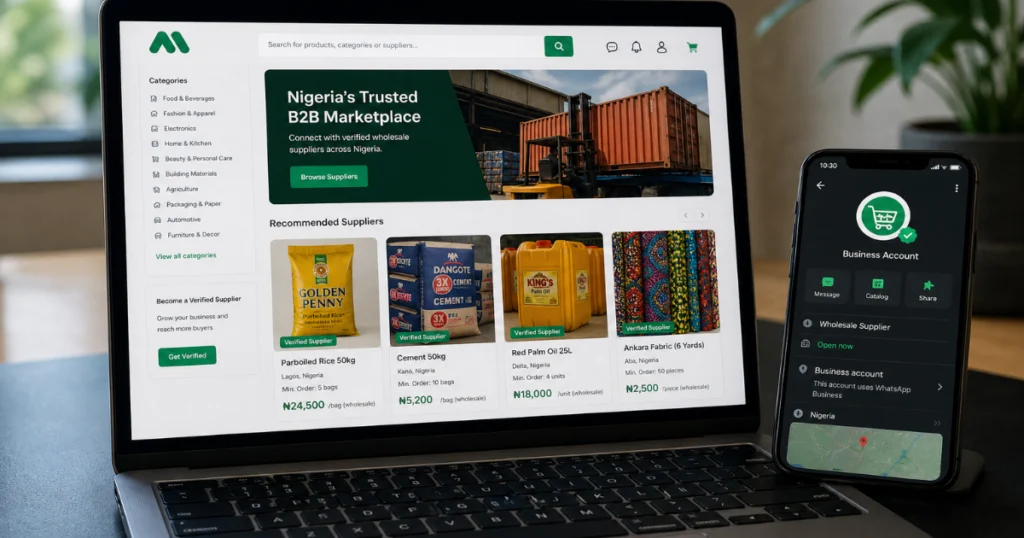
Not everyone can travel to Lagos Island or Onitsha every time they need to restock. That’s where online platforms come in. If you’re looking for how to find wholesale suppliers in Nigeria without leaving your city, these platforms are a good starting point:
A few important things to keep in mind when using online sourcing platforms is to always verify before you pay, never send money to personal accounts without a proper record, and prioritise suppliers who offer escrow or verifiable payment structures. The options below are commonly used by Nigerian sellers.
- Shopinbos Suppliers Directory: Built specifically for Nigerian sellers, Shopinbos lists verified local suppliers across different product categories, making it easier to find reliable suppliers for your online business in Nigeria without the stress of cold-searching.
- Jiji.ng: While primarily a classifieds site, Jiji hosts many wholesale suppliers and traders. Filter by location and use the messaging system to vet sellers before committing.
- Alibaba and DHgate: For sellers who source from China, these platforms allow you to contact manufacturers and wholesalers directly. Minimum order quantities apply, and you’ll need to factor in shipping and import duties.
- TradeKey and BaloTrade: B2B platforms that connect buyers and sellers across Africa and globally, with some Nigerian suppliers listed.
How to Find Dropshipping Suppliers for Your Online Business
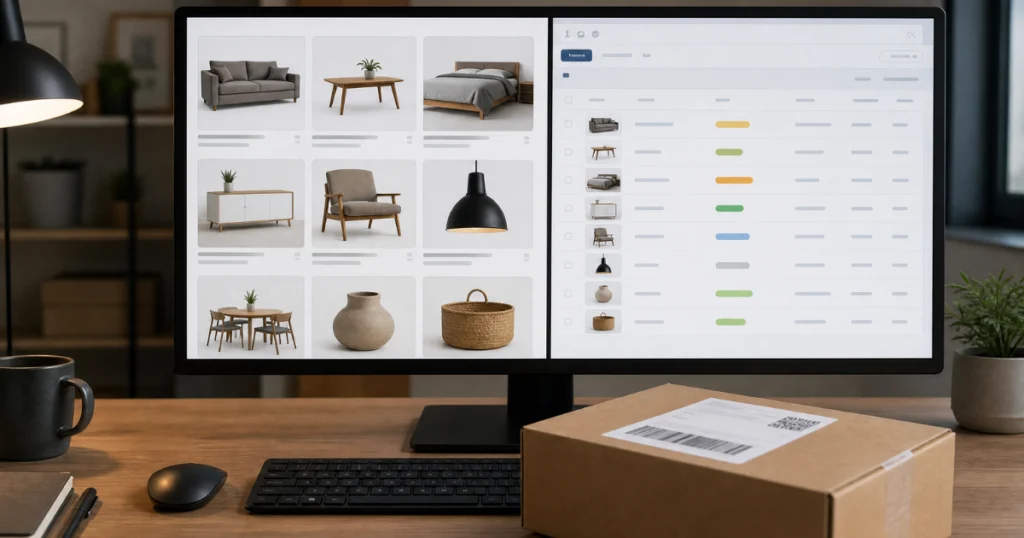
Dropshipping is a business model where you sell products without holding any inventory — the supplier ships directly to your customer. It’s become increasingly popular with Nigerian Instagram and TikTok sellers because of the low upfront cost.
Here’s how to find dropshipping suppliers in Nigeria or internationally:
- Search local wholesalers who offer direct shipping: Many Nigerian market traders now offer dropshipping arrangements, especially for fashion and beauty products. Simply ask: “Do you deliver directly to my customer if I send you the order details?”
- Use Alibaba or AliExpress: Many Chinese manufacturers offer dropshipping. The trade-off is longer delivery times, which you’ll need to communicate clearly to your Nigerian buyers.
- Join supplier-focused Facebook groups and WhatsApp groups: Many Nigerian dropshipping communities share vetted supplier contacts. Search for groups like “Nigeria Dropshipping Suppliers” or “Online Sellers Nigeria.”
- Check TikTok Shop and Shopify supplier integrations: These platforms increasingly connect sellers to verified dropshipping suppliers globally.
Once you have your supplier lined up, the next step is building a proper online store to receive and manage orders professionally. Our guide on how to create an online store walks you through exactly how to do that.
How to Verify Suppliers and Avoid Getting Scammed
Every week, online sellers lose money to fake suppliers who collect payment and disappear. The good news is that a few simple checks can protect you almost every time. Here’s how to find reliable suppliers in Nigeria and confirm they’re legitimate before you pay a kobo:
- Check their physical location: Ask for a market address or office address, then verify it on Google Maps. A legitimate supplier will have no problem sharing this.
- Request samples before placing a bulk order: Pay for a small quantity first, check quality and delivery time, then scale up. No serious supplier will refuse a sample order.
- Search their account number and phone number online: Before sending money, search the account number and phone number on Google and on X (Twitter). If other sellers have been scammed by this supplier, there’s a good chance someone has posted about it.
- Use Truecaller: Enter the supplier’s phone number in Truecaller. If it shows up as “Scammer” or flagged by previous users, walk away immediately.
- Ask for business registration details: A CAC-registered business is harder to disappear with your money. Ask for their RC number and verify it on the CAC portal.
- Stick to traceable payment methods: Bank transfers with proper transaction descriptions are better than cash. For large orders, explore using an escrow service or a payment platform that holds funds until delivery is confirmed.
Red Flags to Watch Out for When Sourcing Products
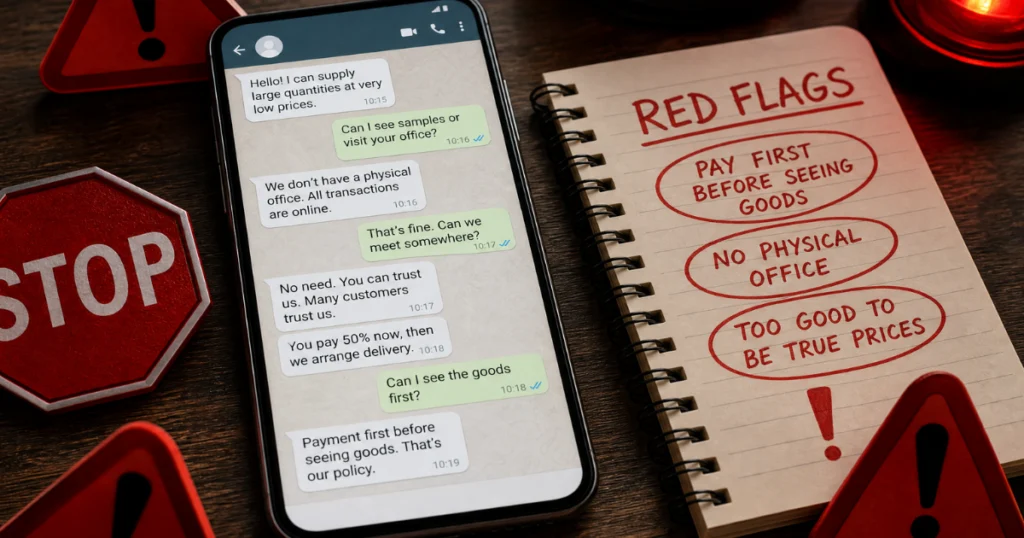
Before diving into any supplier relationship, it’s worth knowing what warning signs look like. Nigerian sellers, especially those just starting are often targeted because of unfamiliarity with sourcing norms. These are the most common red flags to avoid:
- Price is suspiciously lower than every other supplier for the same product
- Supplier refuses to share a physical address or insists on only communicating on WhatsApp
- No business name, no social media presence, no website, only a personal account
- They request full payment upfront before showing samples, especially for a new relationship
- They pressure you to pay quickly and you hear words like (“the price changes tomorrow”)
- No previous buyers can vouch for them, or all their “testimonials” are screenshots without verified customer profiles
If three or more of these are present in any interaction, treat it as a scam and walk away.
Conclusion
Finding the right supplier is not a one-day job but an ongoing part of running your business. The sellers who build sustainable online businesses in Nigeria are the ones who take time to build verified supplier relationships, start small, test before scaling, and never cut corners on verification.
Start with markets or platforms you can physically or digitally confirm. Place a small order first. Build trust over time. As your business grows, your supplier network will grow with it.
If you’re already sourcing products and need a better way to manage customer orders, read our guide on how to manage orders on WhatsApp Business and stop losing sales because getting the product is only half the job.
Ready to start selling? Build your online store on Shopinbos and get access to a growing directory of verified Nigerian suppliers.
FAQs About How to Find Suppliers
The best place depends on your product. For fashion, Balogun Market in Lagos and Ariaria Market in Aba are top choices. For electronics, Alaba International Market is ideal. For online sourcing, the Shopinbos Suppliers Directory lists verified local suppliers across categories.
Start by approaching local wholesalers and asking if they offer direct-to-customer delivery. You can also use platforms like AliExpress or Alibaba for international dropshipping, or join Nigerian dropshipping Facebook and WhatsApp groups where members share vetted supplier contacts.
Verify their physical address on Google Maps, search their phone number and account number online, request a sample order before going bulk, ask for their CAC registration number, and avoid anyone who pressures you to pay in full immediately without any verifiable track record.
Platforms like the Shopinbos Suppliers Directory, Jiji.ng, and Alibaba allow you to connect with suppliers remotely. However, always verify any supplier online before sending payment, and start with a small test order to confirm quality and delivery reliability.
Ready to grow your own shop?
Shopinbos is free to start. Rex builds your storefront in 90 seconds, Peggy handles the rest.
Get early access