

Picture this: you have a stall in Balogun Market or a small warehouse somewhere in Ikeja, and every week, Instagram sellers and WhatsApp vendors are sliding into your DMs, asking if you do bulk orders. Some want to pick up 10 pieces. Others want you to send directly to their customers without them ever touching the goods. You keep saying yes, but it’s all scattered with no structure, no pricing sheet, and nobody can find you properly online.
That is the moment most Nigerian market traders and small manufacturers realize they are already functioning as suppliers. They just haven’t set it up properly.
Becoming a supplier in Nigeria means positioning your business to sell products in bulk or wholesale to other businesses, including the fast-growing army of online sellers, resellers, dropshippers, and ecommerce entrepreneurs who need reliable sourcing partners and are constantly searching for how to find suppliers in Nigeria.
If you have goods to sell and you want consistent, repeat business from people who sell online, this guide is for you.
What Does It Mean to Be a Supplier for Online Sellers?
A supplier is simply the business that sits one step above the retailer in the chain. You produce, import, or stock products and sell them to other businesses, which then resell them to end customers.
In Nigeria’s booming ecommerce space, online sellers, the ones running Instagram shops, WhatsApp stores, and Jumia listings, depend heavily on local suppliers. They need someone they can call on short notice, someone with steady stock, and someone who won’t disappear after the first transaction. That someone is you, if you set things up right.
What makes supplying to online sellers different from supplying to a traditional retailer is that online sellers often need:
- Consistent product quality, because their customers leave reviews
- Flexible minimum order quantities, especially when starting out
- Fast turnaround, because their customers expect quick delivery
- The option for you to ship directly to their buyers (dropshipping)
Nigeria’s e-commerce market is growing rapidly, and the bottleneck is almost always on the supply side. Online sellers are actively looking for trustworthy Nigerian suppliers with whom they can build long-term relationships, making the demand for suppliers real.
What Kind of Supplier Can You Be? (The Different Types Worth Knowing)
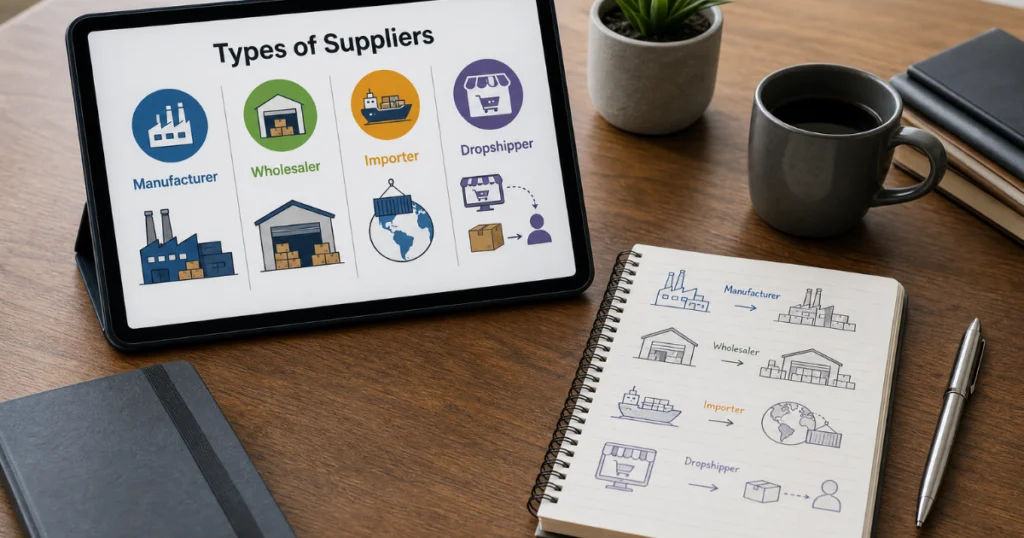
Before jumping into the steps, it helps to know where you fit. These are the main types of wholesale suppliers that exist in the Nigerian market, and you may already be one without realizing it.
Manufacturers and producers make the actual product. This includes clothing manufacturers, food producers, cosmetics makers, and anyone who takes raw materials and turns them into something sellable. If you sew ankara sets, produce black soap, or make snacks and beverages, you are a manufacturer-supplier.
Importers and distributors bring goods in from China, Dubai, Turkey, or the UK and sell them in bulk locally. Many of the traders in Alaba International Market, Trade Fair, and Balogun Market fall into this category. You don’t make the product; you bring it in, clear it, and distribute.
Wholesale stockists buy from manufacturers or importers in very large quantities and resell to smaller businesses. They hold the inventory and sell in smaller bulk lots. Many provision dealers, cosmetics wholesalers, and clothing stockists in Oshodi, Onitsha, and Lagos Island operate this way.
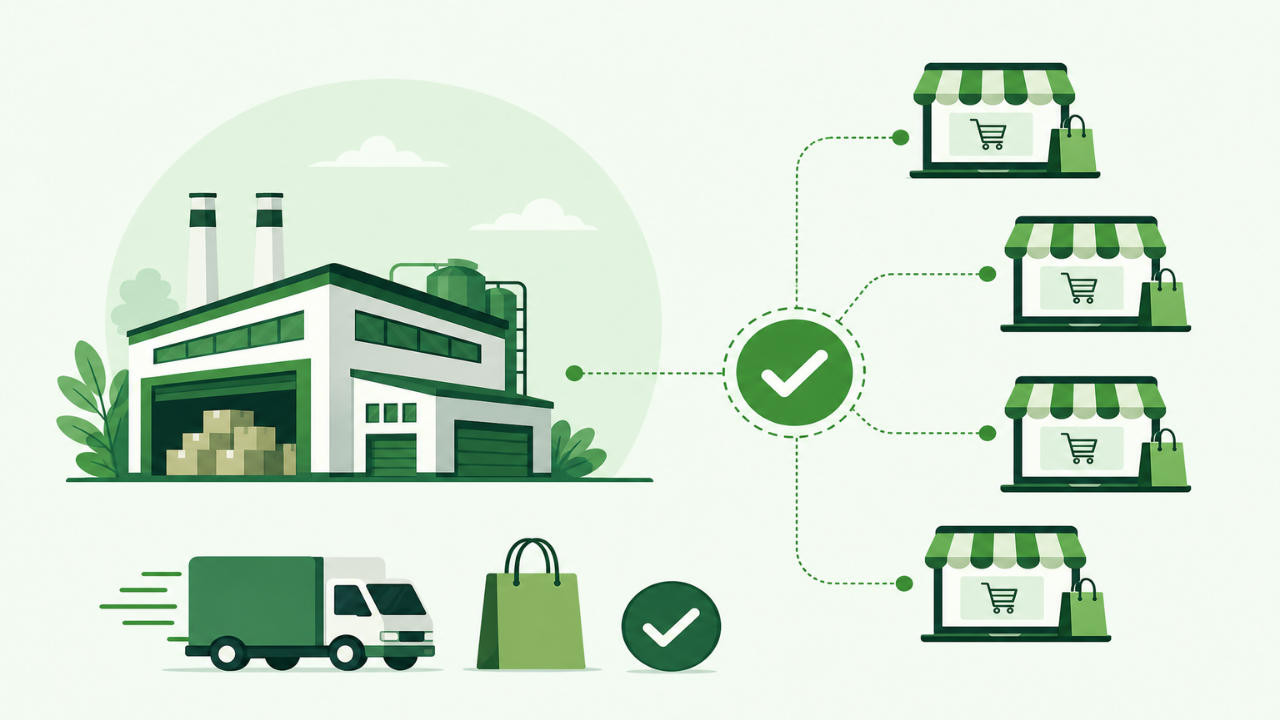
Dropshipping suppliers hold the inventory and fulfill orders directly to the end customer on behalf of the retailer. The online seller never touches the product. You pack and ship when they make a sale. This model is becoming very attractive to Nigerian e-commerce sellers because it reduces their upfront capital requirement.
Niche or specialty suppliers focus on a specific category such as hair extensions, building materials, foreign herbs and spices, electronics accessories, fashion fabrics, or even office consumables. Niche suppliers are often easier to market because their expertise is obvious.
Knowing which type you are shapes how you present yourself, how you price, and who you target.
How to Become a Supplier in Nigeria: Step by Step
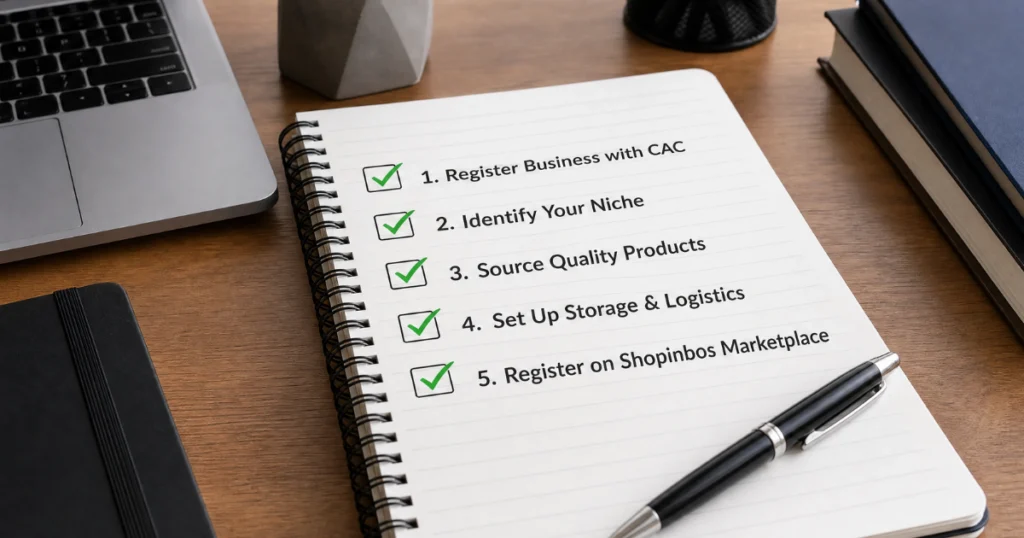
1. Define What You Are Selling and to Whom
Start with clarity. What product category are you supplying? Who is your ideal buyer: an Instagram fashion vendor, a WhatsApp food seller, a Jumia reseller, or a small boutique owner?
The more specific you are, the easier it is for buyers to find you. “I supply ladies’ wear in bulk” is clearer than “I sell clothes.” “I supply frozen food to online food vendors in Lagos” is also clearer.
2. Sort Out Your Business Registration
To supply to serious businesses, especially e-commerce stores or large retailers, you need to be registered. Register your business name with the Corporate Affairs Commission (CAC). It is affordable and straightforward, and it gives your business credibility that unregistered traders simply don’t have.
Some bigger buyers won’t deal with unregistered suppliers at all. Registration also opens you up to becoming a government supplier or supplying to formal retail chains down the line.
3. Set Your Pricing and Minimum Order Quantities
This is where most first-time suppliers get it wrong. You need a clear pricing structure before you start taking bulk orders. Decide:
- What is your minimum order quantity (MOQ)
- Whether you offer tiered pricing (the more they buy, the lower the unit price)
- What are your payment terms: upfront, 50/50, or on delivery
Be transparent about these. Online sellers appreciate suppliers who are upfront. Nothing kills a business relationship faster than pricing that changes every week.
4. Build a Simple Product Catalog
You don’t need a fancy website on day one. But you do need something to send to potential buyers, such as a WhatsApp catalog, a simple PDF with product photos, descriptions, and prices, or a basic online listing. Your catalog is your storefront. Make it clean and accurate.
If you sell clothing, show the range, sizes, fabrics, and color options. If you supply food products, include shelf life, packaging sizes, and storage requirements. Buyers make faster decisions when you give them what they need upfront.
5. Get Your Logistics in Order
One of the biggest complaints online sellers have about Nigerian suppliers is poor logistics, including late deliveries, wrong items, and damaged goods. Sort this out early. Know which courier services you’ll work with, how long delivery typically takes to different states, and how you’ll handle returns or damaged items.
If you’re in Lagos supplying to customers in Abuja, Port Harcourt, or Kano, you need a reliable interstate logistics partner. Shopinbos logistics directory connects you with verified logistics providers across Nigeria, a good starting point if you’re still figuring out your delivery network.
6. Get Discovered: List on a Supplier’s Directory
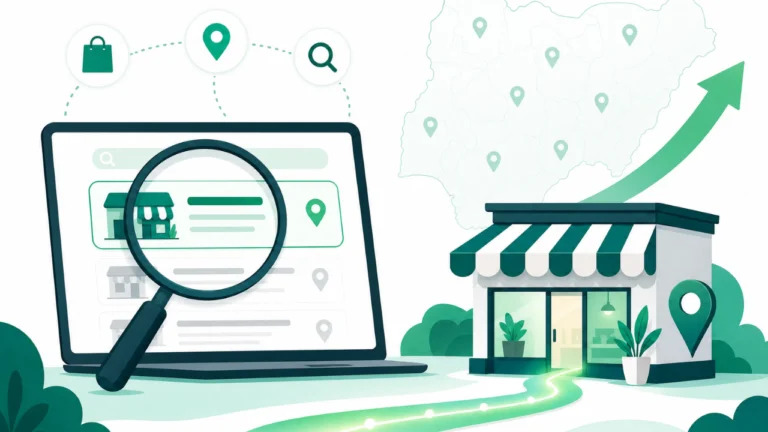
This is the step most Nigerian suppliers skip, and it’s why online sellers keep complaining they can’t find reliable local suppliers. If your business isn’t findable online, you’re invisible to the thousands of e-commerce sellers actively searching for sourcing partners.
List your business on Shopinbos suppliers marketplace to get in front of Nigerian online sellers who are already looking for exactly what you sell. It’s one of the most direct ways to connect with resellers, dropshippers, and e-commerce store owners without spending money on ads.
How to Become a Dropshipping Supplier in Nigeria
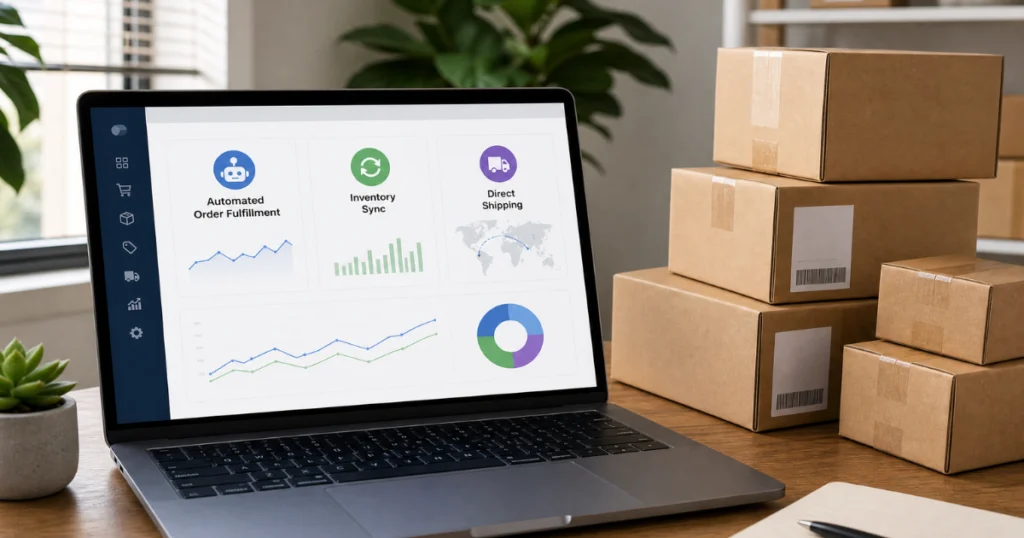
Dropshipping suppliers are in particularly high demand right now. Many online sellers in Nigeria want to run lean businesses without warehousing products, and they need a supplier who will hold stock and ship orders directly as they come in.
To set yourself up as a dropshipping supplier:
- Have a dedicated stock ready: Dropshipping only works if you have consistent, available inventory. Buyers will list your products publicly, so running out of stock damages their business and your reputation.
- Agree on fulfillment timelines: Most Nigerian online sellers need same-day or next-day dispatch to stay competitive. Be honest about what you can deliver.
- Communicate clearly on packaging: Some sellers want plain or neutral packaging so the end customer doesn’t know where the product actually came from. Others want their own branding. Agree on this before orders start coming in.
- Set up a simple order notification system: This could be as straightforward as a dedicated WhatsApp number or a shared order spreadsheet. The point is that when your dropshipping partner makes a sale, you hear about it immediately.
Dropshipping is a serious business model, and Nigerian online sellers are actively looking for suppliers who understand how it works and are always looking for the best wholesale suppliers in Nigeria to work with.
How to Become a Supplier for Big Companies and Online Stores in Nigeria
Supplying to larger buyers such as retail chains, supermarkets, or established ecommerce stores requires a slightly different approach.
These buyers want consistency above everything. They’re not looking for the lowest price; they’re looking for someone who can deliver 200 units of the same quality every single month without drama.
To attract this type of buyer:
- Get your business registered and keep your documentation current
- Obtain any product-specific certifications (NAFDAC for food and cosmetics, SON for electronics and certain manufactured goods)
- Have a track record, even if it’s testimonials from smaller buyers you’ve worked with
- Be ready to provide samples before any agreement is signed
- Have clear lead times and be honest if you cannot meet a volume requirement
Start with smaller formal buyers to build your portfolio before approaching the big names.
Popular Supplier Niches for Nigerian Online Sellers
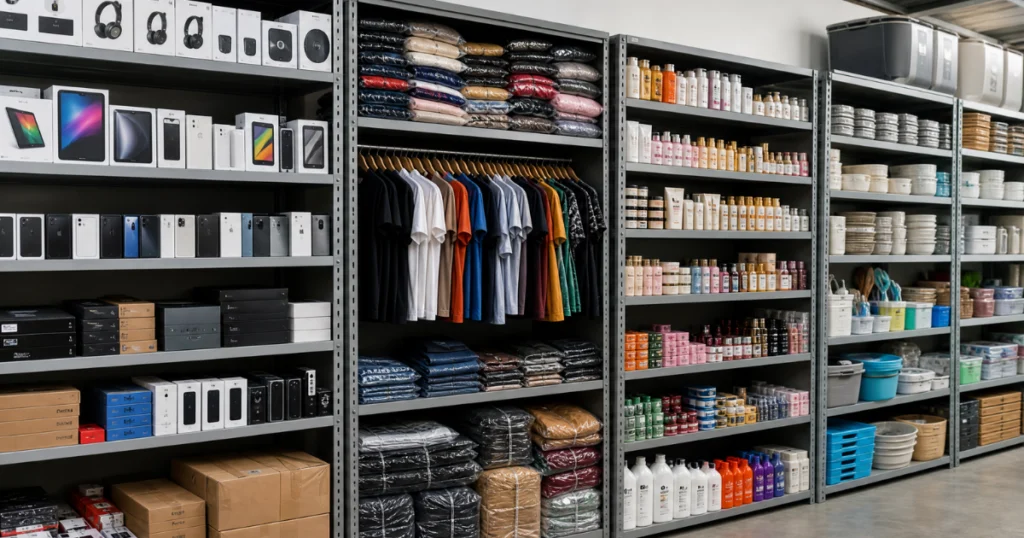
The categories that move fastest in Nigeria’s ecommerce market are also the ones with the most demand for reliable local suppliers. These are worth knowing if you’re deciding which product category to build your supplier business around:
Clothing and fashion are the largest category. This includes ready-made clothing suppliers, Ankara fabric suppliers, clothing manufacturing suppliers that work with designers and fashion vendors, shoe suppliers, and accessory suppliers. Online fashion vendors need suppliers who can provide clean, photographable stock with consistent sizing.
Hair extensions and beauty products are among the highest-demand categories on Instagram. Nigerian hair vendors are always looking for reliable lace wig suppliers, closure suppliers, and beauty product wholesalers who won’t mix up orders.
Building materials may seem offline, but there’s a growing market of online sellers who supply building materials to buyers who want to shop and compare before visiting a yard. Tiles, POP materials, plumbing fittings, and paint are all categories where supplier listing matters.
Food and agro-products, such as provision wholesalers, dry food suppliers, frozen food distributors, and local farm-produce aggregators, are in demand among online food vendors and delivery businesses.
Electronic accessories like phone cases, earphones, chargers, and screen protectors are also in high demand among Instagram and WhatsApp resellers. Alaba-based traders who want to supply online sellers digitally are a natural fit here.
Cosmetics and skincare, including both imported and locally produced products move fast, especially among WhatsApp sellers and beauty influencers who bundle and resell.
If your business falls into any of these categories, the demand is already there. What you need is visibility.
How to Get Found by Online Sellers in Nigeria
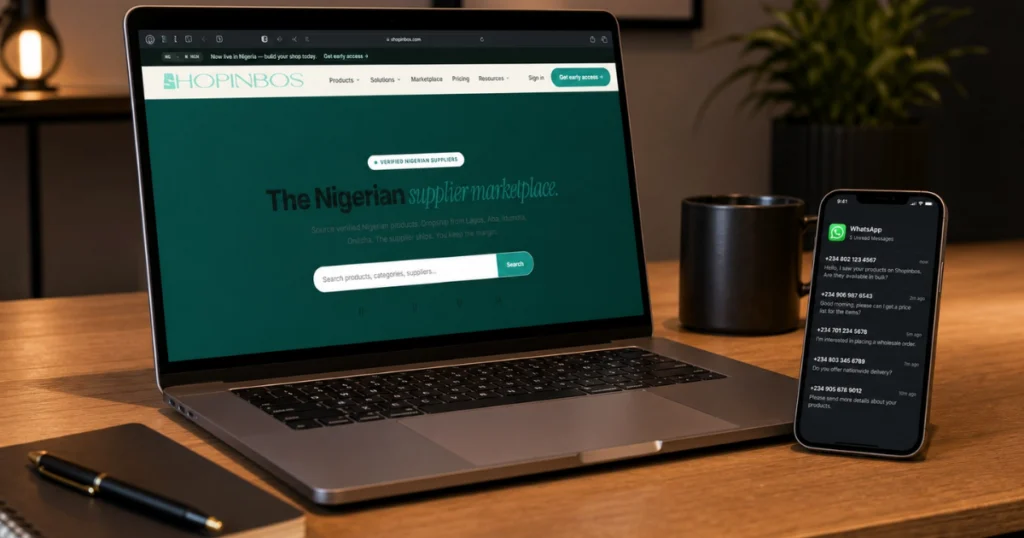
Most online sellers don’t go to Balogun or Oshodi to find suppliers anymore, at least not for their first contact. They search online. They ask in Facebook groups. They check WhatsApp communities. And increasingly, they use supplier directories that help them filter by product category and location.
Create your supplier profile on Shopinbos, Nigeria’s directory built specifically for online sellers and their sourcing needs. It puts your business in front of resellers, dropshippers, and ecommerce entrepreneurs who are already looking for what you sell.
If you’re ready to start selling online yourself alongside your supplier business, Shopinbos store builder lets you set up a product store without technical knowledge.
Conclusion
Becoming a supplier in Nigeria is one of the smartest business pivots available to traders, manufacturers, and importers right now. The e-commerce market is growing, online sellers are multiplying, and the biggest pain point they all share is finding a reliable, consistent local supplier.
If you have goods, sort your pricing, get registered, and put your business where buyers can find you. The demand is already there; you just need to show up properly.
FAQs
It depends on your model. If you are already trading and want to formalize your supplier role, the main costs are CAC registration (from ₦10,000–₦50,000 depending on business type) and any catalog or listing setup. If you are starting from scratch, capital requirements depend on your product category and whether you are manufacturing, importing, or wholesaling.
Yes, if you are producing or importing food, beverages, cosmetics, or drugs for commercial sale, NAFDAC registration is required, so proper certification protects both you and your buyers.
You need a reliable place to store inventory. This doesn’t have to be a formal warehouse; many small suppliers operate from home storage or shared spaces. What matters is that your stock is secure, organized, and accessible for quick dispatch.
List your business on a supplier’s directory like Shopinbos, join ecommerce Facebook groups and WhatsApp communities, and make sure you’re visible on Instagram with clear information about your bulk/wholesale offer. Word of mouth spreads quickly once you reliably fulfill your first few orders.
Ready to grow your own shop?
Shopinbos is free to start. Rex builds your storefront in 90 seconds, Peggy handles the rest.
Get early access