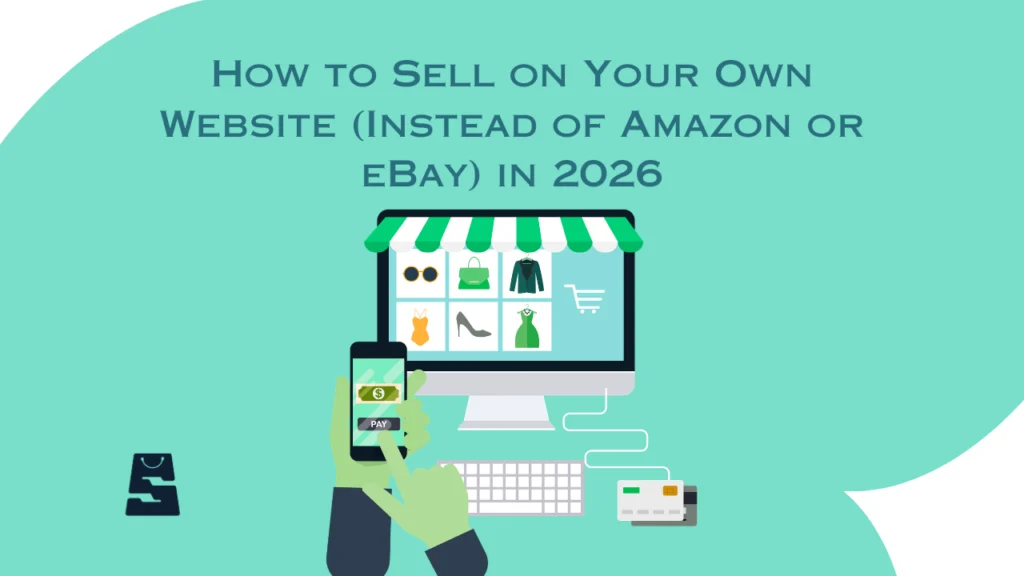
If you have been selling on Amazon, eBay, or similar marketplaces, you already know the feeling of fees eating into your margins, fierce competition, and the platforms control over everything. The good news is that selling on your website puts you back in charge, and it is more accessible today than it has ever been.
Your own website is not just one of the best websites to sell stuff. It is your digital storefront, your brand home, and your most powerful long-term sales asset. Whether you are in Lagos or Los Angeles, setting up an online store means you own your customer relationships, your data, and your revenue.
This guide walks you through exactly how to sell on your website.
Selling on Your Website in 7 Steps

Getting your store live does not have to be complicated. These seven steps cover everything you need to go from idea to your first sale.
Step 1: Choose the Right Products to Sell
The foundation of every successful online store is the right product. Rather than selling everything, focus on a specific niche, this makes it easier to stand out and build authority. Look for low competition products that solve a real problem or serve a passionate audience, and think about profit margins and shipping logistics before you commit.
Step 2: Pick a Domain Name That Works for Your Brand
Your domain name is your address on the internet. Keep it short, easy to spell, and relevant to what you sell. Avoid numbers, hyphens, or anything that sounds confusing out loud. If possible, include a keyword related to your niche for a small SEO boost, then register it and pair it with reliable hosting before you start building your store.
Step 3: Build Your Online Store
Building an online store used to require a developer and weeks of work, but today you can launch a professional, conversion-ready store without writing a single line of code. Platforms like Shopify and WooCommerce give you the tools to design your storefront, list products, and manage orders from one dashboard.
Your online store design should reflect your brand and make it easy for customers to find and buy. Think clean navigation, strong product descriptions, fast load times, and a checkout that does not make people think twice, because a well-built store is what turns visitors into buyers.
Step 4: Set Up Payment Processing
The right payment setup depends on where you are and where your customers are. If you are selling in Nigeria, gateways like Paystack and Flutterwave are widely trusted. For a global audience, Stripe and PayPal are the standard. When choosing the best payment gateway, look at transaction fees, supported currencies, and payout timelines. A smooth, secure checkout directly reduces cart abandonment.
Step 5: Select Your Shipping Methods
Shipping is one of the most overlooked parts of setting up an online store. Decide whether you will handle fulfilment yourself or use a third-party provider, then choose your carriers, GIG Logistics or DHL for Nigerian sellers, and USPS, FedEx, or UPS for US-based stores. Be upfront about rates and delivery timelines, and consider offering free shipping above a minimum order value to boost your average order size.
Step 6: Market Your Online Store
A beautiful store with no traffic is just a website. Your ecommerce marketing strategy should cover multiple channels, which includes social media for awareness, email marketing to nurture and convert, SEO for organic traffic, and paid ads to accelerate results.
On your website, your blog is one of the most underused tools. Consistent, helpful content builds trust and drives long-term search traffic.
Step 7: Grow and Scale Your Business
Once sales are coming in, the focus shifts to growth. Your analytics will show you where traffic comes from, which products convert, and where customers drop off, use that data to make smarter decisions.
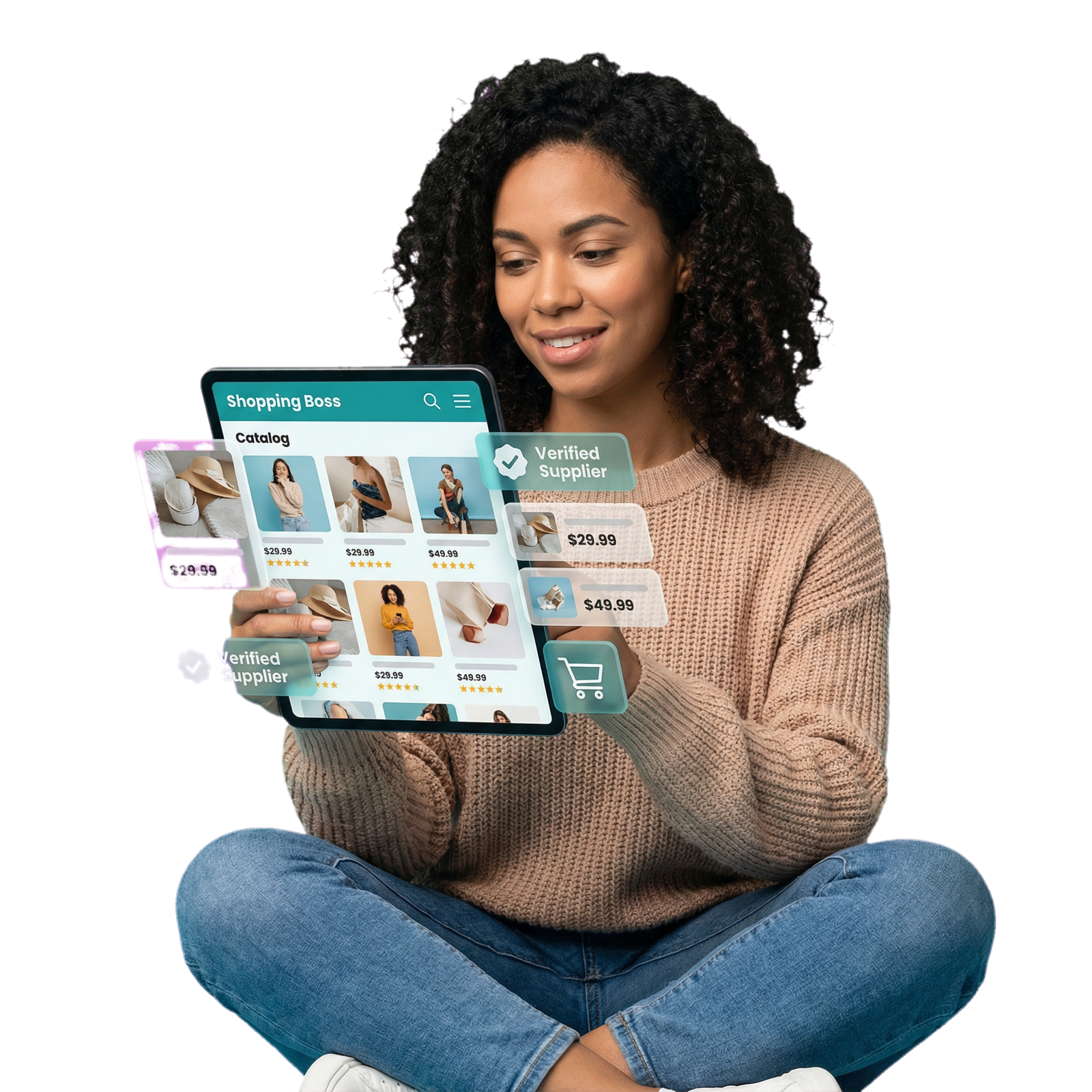
Automate what you can, build a clear returns policy, and nurture repeat buyers. As you scale, revisit your business plan template regularly to make sure your strategy keeps up with where your business is heading.
Not sure where to start? ShopinBos helps entrepreneurs and small businesses build professional, conversion-focused online stores on Shopify and WooCommerce, without the technical headaches. From strategy to execution, ShopinBos makes sure your store is built to sell from day one.
Website Pre-Launch Checklist
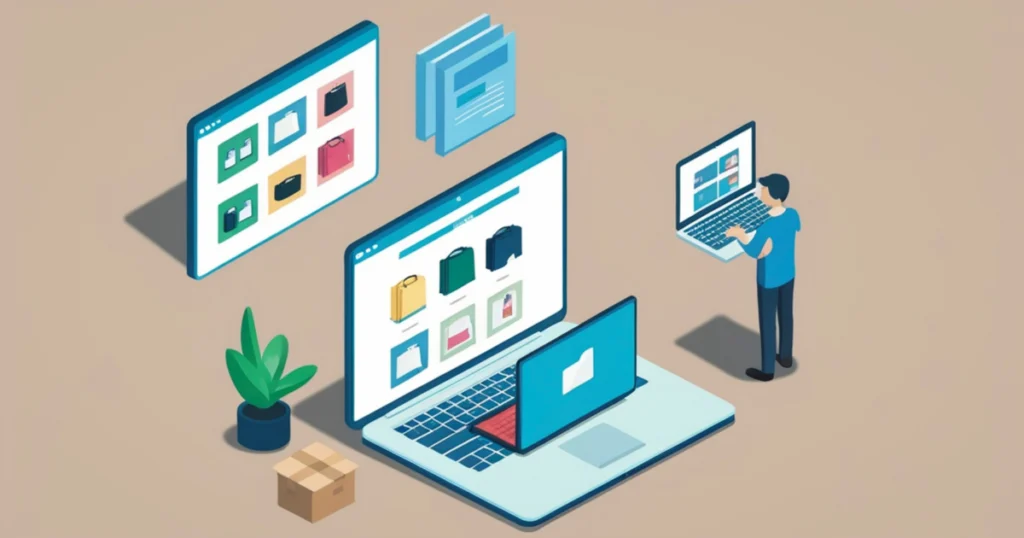
Before you start selling on your website, run through this list to make sure your store is ready for customers.
- ☐ Business registration and legal requirements sorted
- ☐ Domain name registered and connected to your store
- ☐ SSL certificate active; your URL should show https://
- ☐ All products listed with clear titles, pricing, and strong product descriptions
- ☐ High-quality product images uploaded for every item
- ☐ At least one payment gateway set up and tested
- ☐ Shipping rates and delivery options configured
- ☐ About page, Contact page, and Store Policies published
- ☐ Tax settings reviewed and applied correctly
- ☐ Mobile responsiveness tested across different devices
- ☐ Website speed checked
- ☐ Analytics tracking installed (Google Analytics or equivalent)
- ☐ Test order placed to confirm the full checkout experience works
Where Can I Sell Products Online? Personal Website vs. Amazon and eBay
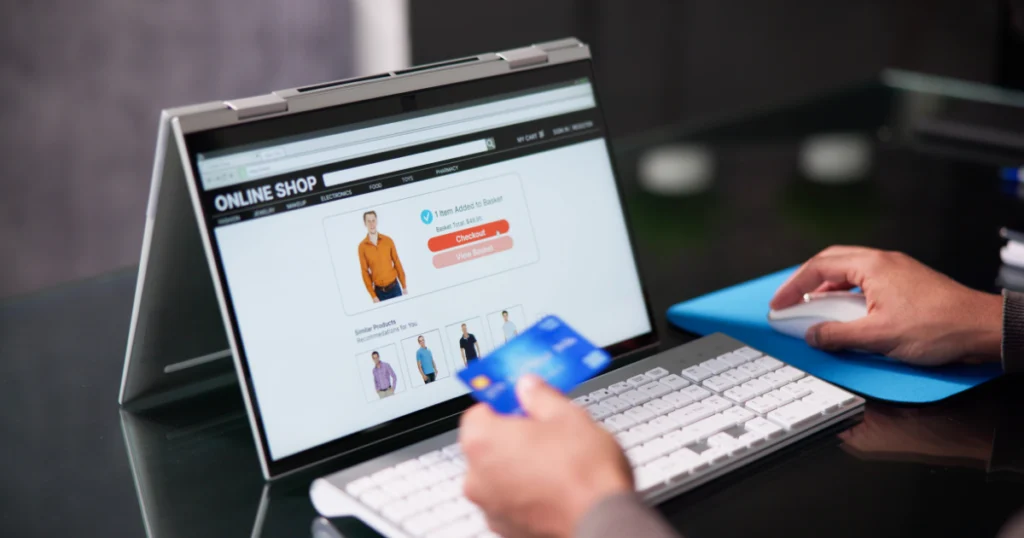
Choosing where to sell is just as important as choosing what to sell. Most online sellers start on marketplaces like Amazon, eBay, or Jumia because the traffic is already there, but over time, the trade-offs become harder to ignore.
Selling on Amazon or eBay
Pros
- Built-in audience, established trust, fast setup
- No need to drive your own traffic from day one
Cons
- High competition and marketplace fees that cut into margins
- Limited brand visibility; customers remember the marketplace, not your store
- The platform controls your account, pricing rules, and customer data
- High fees, intense competition, limited brand control
Selling on Your Website
Pros
- Full control over your brand, pricing, and customer experience
- You own your data and build direct customer relationships
- Better long-term margins with no platform transaction fees
Cons
- You are responsible for driving your own traffic
- Takes more time and effort to set up and maintain
The Smartest Move: Multichannel Selling
The most successful sellers do not choose between their own website and marketplaces, instead, they use both. Think of your website as the hub, and the marketplaces as additional spokes that drive discovery. A customer might find you on Amazon or eBay for the first time, but your website is where they come back to, sign up for your newsletter, and become loyal buyers.
Multichannel selling also reduces risk. If one platform changes its algorithm or increases its fees, your business does not collapse because your website is still running independently. Among the best online selling sites, combining your own store with one or two free websites for selling stuff gives you reach without sacrificing control.
Conclusion
Selling on your website is one of the best long-term decisions you can make as a business owner. It takes more effort than listing on a marketplace, but it gives you something no marketplace can: ownership.
Start with the right product, build a store that reflects your brand, and market it consistently. And if you want a partner to help you build the store right the first time, ShopinBos is here for exactly that.
FAQs About Selling on Your Website
Platforms like WooCommerce are free to install, and some marketplaces let you list without upfront fees. However, you will still pay for hosting, domain registration, and payment processing. The goal is not to eliminate costs entirely, but to minimise unnecessary fees by owning your store and choosing the right tools.
It depends on your goal. Amazon and eBay offer instant reach, but your own website gives you long-term brand control. For most sellers, combining both works best. Use marketplaces for discovery and your own site as the foundation.
With the right platform, a basic store can go live in a few days. A fully branded store with all products listed and marketing set up typically takes one to four weeks. Working with an experienced partner like ShopinBos can cut that timeline and ensure your store is built to convert from the start.