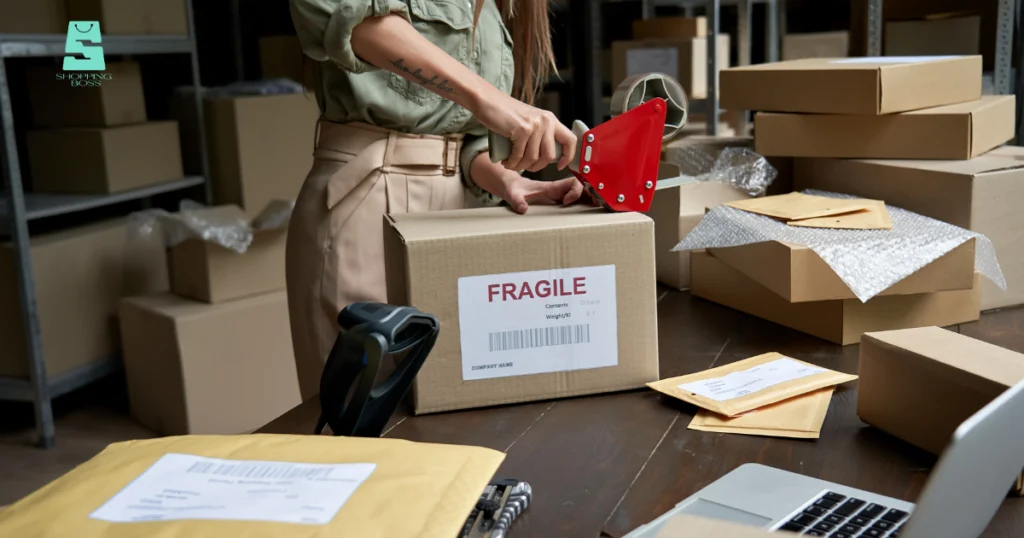
Dropshipping has become one of the most accessible ways to start an online business, especially if you’re working with limited capital. This ecommerce business model allows you to sell products online without holding inventory, or managing shipping, that is, no warehouse, no upfront inventory costs, only your time and minimal financial investment.
This type of flexibility has made many people interested in dropshipping and we see a lot of how to start dropshipping inquiries every now and then.
Therefore, in this guide we’ll review what dropshipping is, how to start in 2026, breaking it down into actionable tasks you can complete right away.
What is dropshipping?
Dropshipping is a fulfillment method where you (the retailer) sells directly to the customers without holding inventory. So, instead of having your own inventory and shipping the products directly to customers, you’ll work with a dropshipping partner, also known as a wholesaler or supplier.
How does dropshipping work?
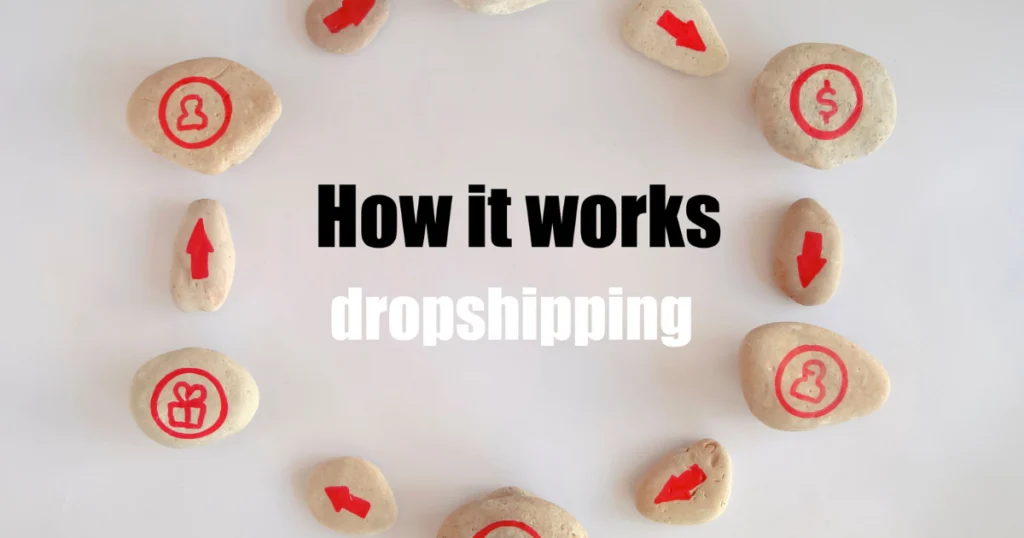
Before diving into how to start dropshipping, let’s clarify how the model works. With dropshipping, you’ll have a partner that fulfills orders on your behalf, which means you’re only responsible for selling the products. This is what the process looks like:
- A customer places an order on your online store
- You forward that order to your dropshipping supplier.
- The supplier then packages and ships the product directly to your customer under your brand name.
The dropshipping model eliminates three major barriers that stop most people from starting an ecommerce business: you don’t need thousands of dollars for inventory, you don’t need warehouse space, and you don’t handle shipping logistics. This makes it one of the most beginner-friendly business models available. However, like every successful online business, you don’t just post and forget it and hope that you’ll pop up on the search page. To have a thriving dropshipping business, every aspect of running an online store must be adopted and applied, including brand development, website optimization, marketing, and more.
How to start a profitable dropshipping business in 8 steps
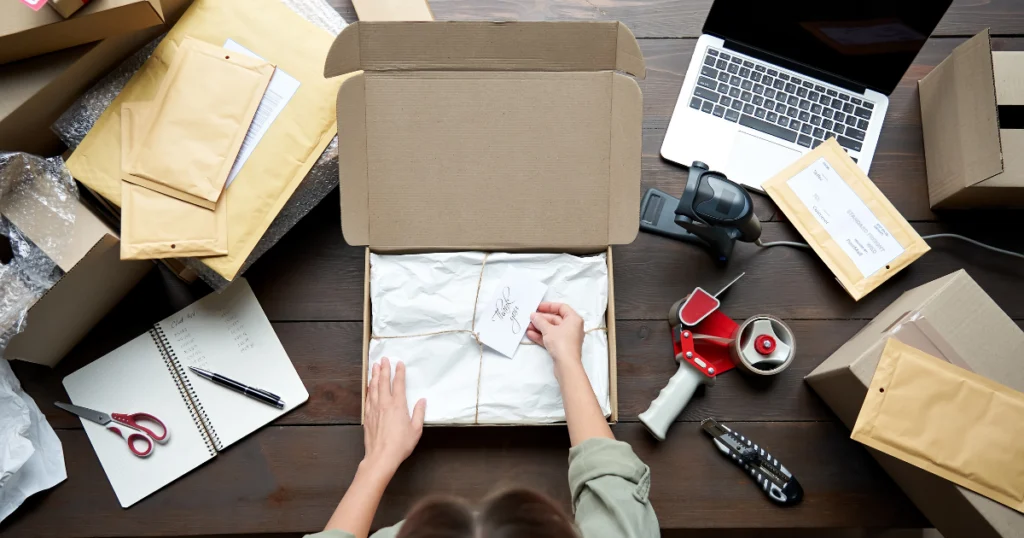
While the supplier manages everything from order fulfillment, to inventory management and shipping, you’re responsible for everything else and here are a few steps you need to follow to run a successful dropshipping business.
Step 1: Choose a dropshipping niche
The foundation of learning how to start a dropshipping business successfully begins with choosing the right niche. Your niche determines everything—from your target audience to your marketing strategy and profit potential.
Start by brainstorming product categories that interest you or align with your knowledge. By doing so, you’ll be able to curate products that people want and also market them effectively. Use tools like Google Trends and Amazon best sellers to validate demand and identify trending products. Also, choose low competition products where you can realistically find buyers instead of competing in a saturated market.
You can also look for niches that solve specific problems or fulfill particular desires. Fitness accessories, pet products, home organization, and eco-friendly items consistently perform well.
Another important aspect of choosing a niche is considering who your target audience are, this will help your marketing strategy and the overall result is a product that people want and the people who want it. One way to determine who to sell to, is to analyze who’s buying from your competitors.
Step 2: Research your competitors
After choosing your niche, the next step is to find thriving competitors and learn what they do to stay atop the game. Start with a simple Google search, the top 10 results are the competitors you want to learn from, focus on five, including a few bigger brands like Amazon and Walmart. From there, browse your competitors’ websites and social media to see their approach on website design, product description & prices, and marketing strategies (including ads).
Step 3: Find Reliable Dropshipping Suppliers
Once you know which products you want to sell, you can find a supplier that delivers the highest quality of service to help you grow.
Your supplier relationship can make or break your business, therefore it is important that you partner with reliable suppliers who can guarantee the following; product quality, reasonable wholesale pricing, average order fulfillment time, good customer service, return policy and value-added packaging. Before finalizing anything, order samples before listing products.
Here are some of the popular platforms for finding dropshipping suppliers AliExpress, Spocket, SaleHoo, and Doba. There are also print-on-demand services like printify and printful.
At Shopinbos, we simplify the supplier vetting process for beginners through curated lists of verified suppliers, comparison tools, and step-by-step guidance to help you build reliable supplier relationships from day one—regardless of which ecommerce platform you choose.
Step 4: Build your online store
Now comes the exciting part—creating your dropshipping website. Choose a clean, professional theme that showcases your products beautifully and Include essential pages: Home, Product Categories, About Us, Contact, Shipping Policy, and Return Policy.
Write compelling product descriptions that highlight benefits, not just features. Use high-quality images—if supplier photos look poor, consider ordering products and taking your own photos.
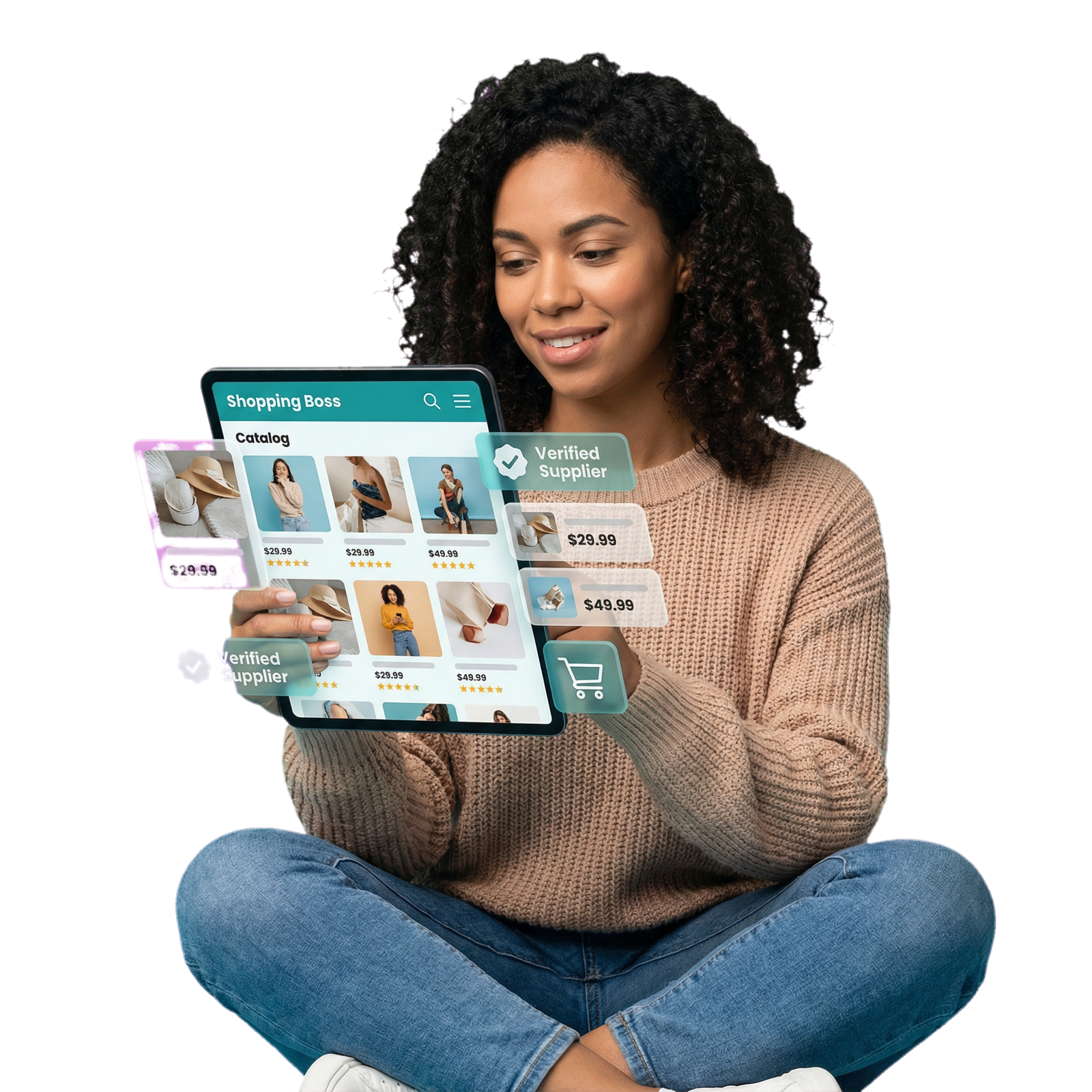
Set up your payment processing gateway and ensure it offers multiple payment options that accommodate different regions.
If your question is how to start dropshipping on Shopify, you’re looking at the most popular platform for beginners. Shopify offers user-friendly templates, integrated apps, and seamless supplier connections.
However, Shopify isn’t your only option. WooCommerce (WordPress), BigCommerce, and Wix also support dropshipping.
Step 5: Decide Your Business Structure and Handle Legalities
Even though you’re starting small, treating your dropshipping venture as a legitimate business protects you legally and financially. Decide on your business structure—most beginners start as sole proprietors for simplicity, though forming an LLC provides liability protection.
Register your business name and obtain necessary licenses or permits required in your location. Requirements vary by country and state, so research local regulations. You’ll also need a tax ID or business number for tax purposes.
Open a separate business bank account to keep personal and business finances distinct. This makes accounting easier and looks more professional when dealing with suppliers. Set up basic bookkeeping from the start—even a simple spreadsheet helps you track expenses and profits.
Step 6: Determine Your Pricing Strategy
Pricing directly impacts your profitability and competitiveness. Calculate all your costs: product cost from supplier, shipping fees, platform subscription, payment processing fees, and advertising expenses. Your retail price must cover all these costs while leaving room for profit.
A common dropshipping pricing formula is to charge 2-3 times your product cost. If a product costs you $15, sell it for $30-$45. This markup covers expenses and generates profit. However, always check competitor pricing—if everyone sells similar products for $25, your $45 price point won’t work.
Consider offering bundle deals or quantity discounts to increase average order value. Free shipping thresholds also encourage customers to buy more. Just ensure your margins can absorb shipping costs or build them into product prices.
Step 7: Market your dropshipping store
One of the advantages of being a dropshipper is that despite not building or shipping the products, you get to present the product outstanding marketing and brand identity. Consider any of the following digital marketing channels;
Social media marketing using Instagram, Facebook, TikTok, or Pinterest accounts depending on where your target audience spends time. Post engaging content showcasing products, share user-generated content, and build a community around your niche.
Content marketing through blogging drives long-term organic traffic. Write helpful articles related to your niche, optimize for SEO, and include links to your products. Email marketing also converts well—offer a discount for newsletter signups and send regular promotional emails.
When you’re ready to invest in paid advertising, start with Facebook and Instagram ads. Begin with small budgets ($10-20 daily), test different ad creatives and audiences, then scale what works. Track your return on ad spend carefully to ensure profitability.
Step 8: Analyze and Optimize Your Business
Once you’ve validated your concept with initial sales, focus on optimization and growth. Analyze your data—which products sell best? Which traffic sources convert? Where are customers dropping off in your checkout process?
Use Google Analytics to understand customer behavior. A/B test different product descriptions, images, and pricing. Gather customer feedback through surveys and reviews to improve your offerings.
Yes, you’ve come a long way in setting up your dropshipping business, but all that will be for nothing without constant analysis and optimization, as this is where you get to improve the less successful aspects of your business and ultimately attract more customers.
Should you start dropshipping?
You’ve learnt all there is about how to start dropshipping and now it’s time to decide if it is the right ecommerce business model for you in 2026. Dropshipping is a great way to enter the online store landscape as a beginner, but do every beginner take that route?
Well, while dropshipping allows for flexibility and offers minimal financial risks, it also requires you to sacrifice all controls to the suppliers, in terms of ensuring product quality and delivery time. And if any issues occur due to this, you’re fully responsible for dealing with angry customers and potentially refunds.
If you like to oversee the quality control of your products, then consider storing and shipping your own inventory. However, if you would rather entrust the process to experts who source and verify suppliers, to ensure the highest quality of products, then dropshipping is for you.
simplify your dropshipping business with Shopinbos today!
FAQs
Yes, dropshipping is still a profitable business in 2026. Success depends on reliable suppliers, quality products and effective marketing. To have an edge, you’ll need to stand out and find a way to differentiate your business.
Start by selecting a specific market to target, analyze why and how businesses in your niche are successful, partner with a reliable supplier, build an ecommerce website to showcase your products and use social media ads and engaging content to attract customers.
Yes. All you require to start a dropshipping business from home is a laptop with an internet connection.
If you cannot afford to set up a website at first, you can make use of platforms like Amazon marketplace, but essentially, having your own website gives you more control over your brand.
x