Global ecommerce sales are forecast to reach $6.4 trillion in 2026 and to grow to $7.89 trillion by 2028. That growth isn’t just happening at big retailers; it’s everyday people building stores that serve real customers.
Picture Sarah, an everyday person like you, sitting at her kitchen table with her laptop and a notebook full of product ideas, that familiar knot of excitement mixed with doubt. She’d spent months thinking about how to create an online store but kept putting it off because the whole thing felt overwhelming.
Three months after that kitchen table moment, Sarah made her first sale, and then her tenth, and then her hundredth. The journey from idea to income isn’t as complicated as it feels when you’re staring at that blank screen.
This guide walks you through exactly how to create an online store, from choosing what to sell to celebrating that first sale. No fluff, just simple steps that work.
Steps to Creating an Online Store
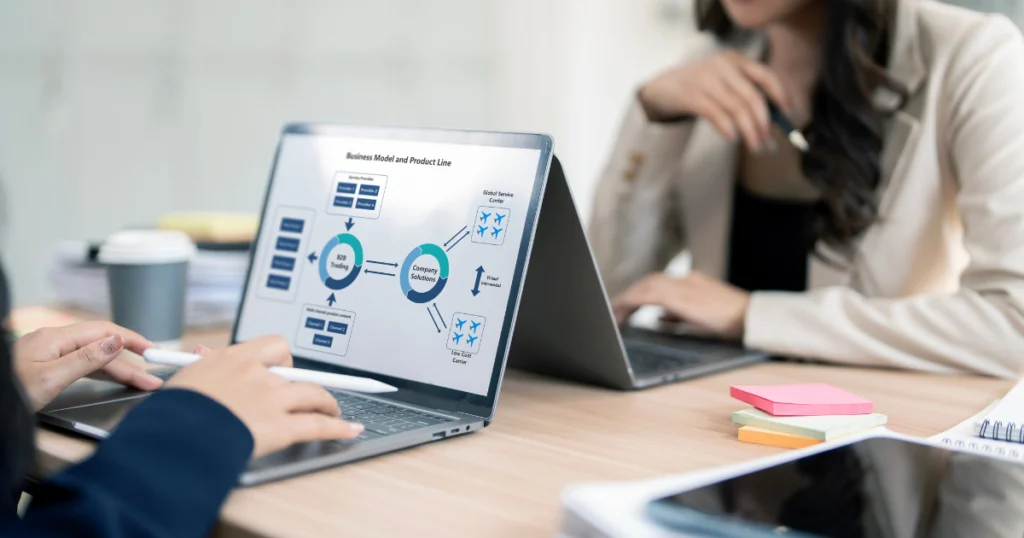
When you start to learn how to create an online store, you need a clear path from “I have an idea” to “I just made a sale,” and here’s your complete roadmap.
Step 1: Choose Your Products and Validate Your Idea
Before you build anything, know what you’re selling and confirm people want it. Sarah spent two weeks researching before committing to her niche, and that research saved months of wasted effort. Ask yourself: What problems can I solve? What products excite me enough to talk about daily?
Use Google Trends to check if people are searching in your category. Browse Amazon reviews to see what customers love and hate. Join Facebook groups and Reddit communities where potential customers hang out, listen to their complaints and wishes.
Order samples from suppliers before committing. Hold the products, test quality, and make sure you’d put your name on them.
Step 2: Decide on Your Business Model
Here’s where you choose how you’ll run your operation when creating an online store. Sarah went with dropshipping because she didn’t have $10,000 for inventory upfront, that decision let her test products without financial risk.
Dropshipping means suppliers ship directly to your customers, and you never touch inventory. When someone orders, you forward the order to your supplier, who handles fulfillment.
Holding Inventory means buying in bulk, storing products, and shipping when orders come in. Higher margins and full control, but you need upfront capital and storage space. Great once you’ve validated what sells.
Print-on-Demand works like dropshipping for custom designs; you create designs, and when someone orders, a partner prints and ships. Perfect if you’re creative but don’t want to manage physical inventory when creating an online store.
Pick the model that matches your budget and risk tolerance. You can always switch later.
Step 3: Build Your Store on the Right Platform
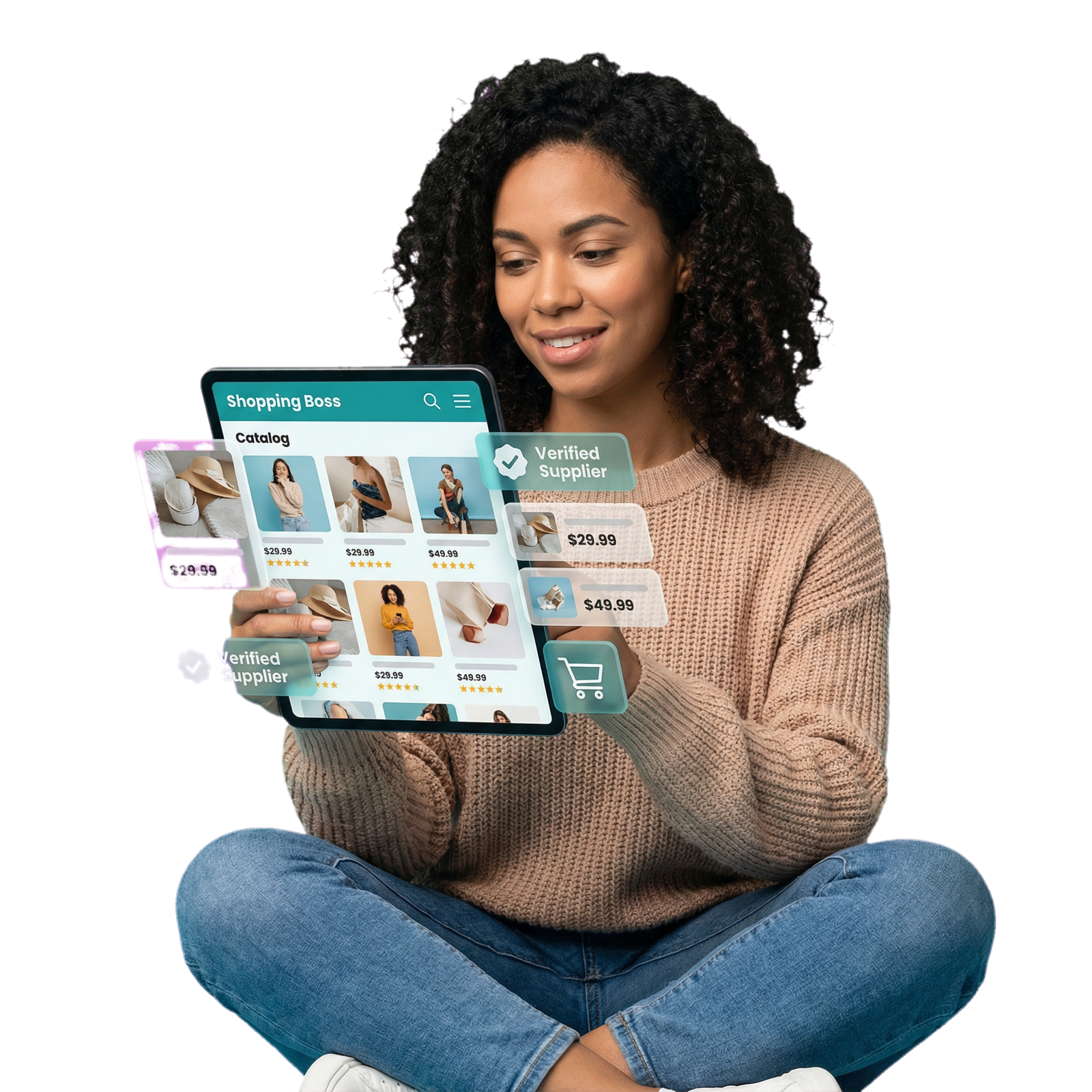
This is where your vision becomes something customers can see and buy from. Sarah used an all-in-one platform because she didn’t want to deal with hosting and security; she just wanted to sell. Choose a platform handling technical work automatically so you can focus on product sourcing.
Pick a mobile-friendly theme that loads fast. Most people browse on phones, so if your store doesn’t work smoothly on mobile, you’re losing customers. Write descriptions that paint pictures of how products solve problems. Include quality photos from different angles and add videos when possible. Set up essential pages: About Us, Shipping Policy, Return Policy, and Contact for a strong online store design.
Step 4: Set Up Payments, Shipping, and Essential Operations
Connect multiple payment gateways, including credit cards, PayPal, and Apple Pay, so customers pay however they prefer. Research shipping carriers and set up zones and rates. If dropshipping, clearly communicate shipping times. Be transparent about costs as hidden charges kill conversions.
Step 5: Drive Traffic and Make Your First Sale

Sarah’s store sat at zero sales for a week because she built it and waited. That doesn’t work. You need to actively bring people through smart e-commerce marketing strategies.
Start with fast-visibility routes: post short videos on TikTok and Instagram Reels that show products solving problems. Run small paid campaigns on Facebook or Instagram with $10-20 daily budgets. Create SEO-optimized blog content and join online communities, sharing genuinely helpful content regarding your product. Also, track everything from day one using Google Analytics.
Step 6: Celebrate, Learn, and Optimize
When that first “Order Confirmed” notification hits, that is the time for celebration. It is the moment that validated all the work. Afterwards, analyze what brought that customer in and replicate it.
Review your analytics to identify which marketing channel drove the sale. Double down on what’s working and cut what isn’t. Test different descriptions, adjust pricing, experiment with ads, and refine your audience.
Stores that grow keep learning and improving every week as they build an online store.
Create Your Store with Shopinbos and Start Selling Faster
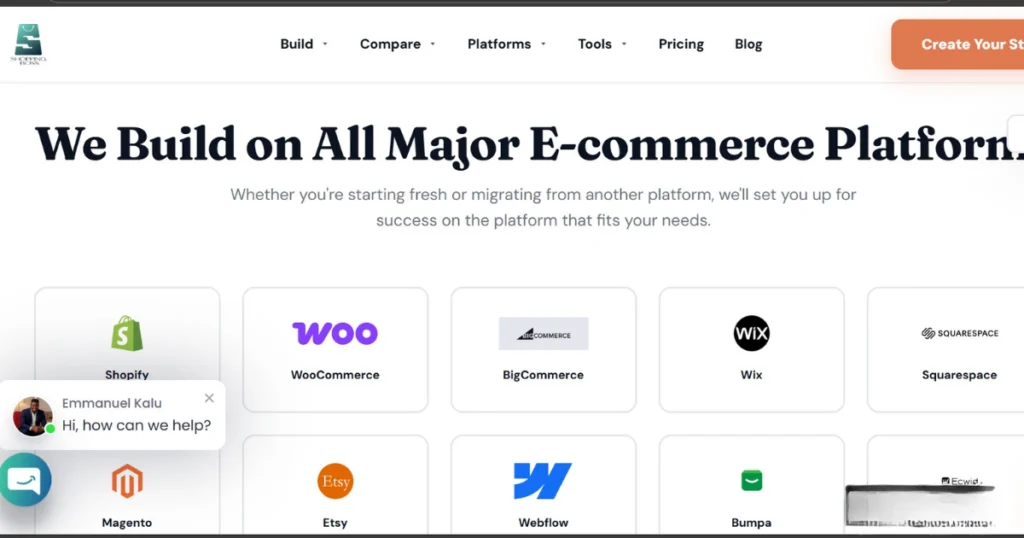
Creating an online store from product selection to your first sale isn’t as complicated as it feels. You don’t need to be a technical genius or have a huge budget, just a clear plan and willingness to take it one step at a time.
Pick your products carefully, choose a business model that fits your situation, build your store on a platform that removes technical barriers, set up operations properly, market consistently, and keep learning from the data. Thousands of people just like Sarah are doing this right now and building real businesses.
Your turn starts today.
When you’re ready to create an online store that converts, ShopinBos gives you everything to launch quickly and grow confidently. We built our platform for entrepreneurs who want professional e-commerce tools without wrestling with tech or burning budget on developers.
Whether creating an online store for the first time or you know exactly what you’re doing, ShopinBos delivers: intuitive builders that get you live in days; seamless payment and shipping integration; marketing features that drive real sales; and support that treats your success like our own. We’re focused on being the partner you want when you build an online store that succeeds.
Create your store on Shopinbos today!
FAQs on How to Create an Online Store
You can launch a basic store in a few days, but building a professional store ready to compete typically takes 2-4 weeks. This gives you time to source quality products, write compelling descriptions, set up payment and shipping properly, test everything, and create your initial marketing plan.
Yes, dropshipping and print-on-demand let you start selling without buying inventory upfront. With dropshipping, suppliers ship directly to customers. With print-on-demand, partners produce items only after purchase. Both models let you test products and validate your market without financial risk when you create an online store without inventory.
Product selection matters more than anything. You can have the most beautiful store with perfect marketing, but if you’re selling products nobody wants, or everyone else sells better and cheaper, you’ll struggle. Spend real time validating your product ideas before building. Order samples, read competitor reviews, search for market gaps, and confirm that actual demand exists.