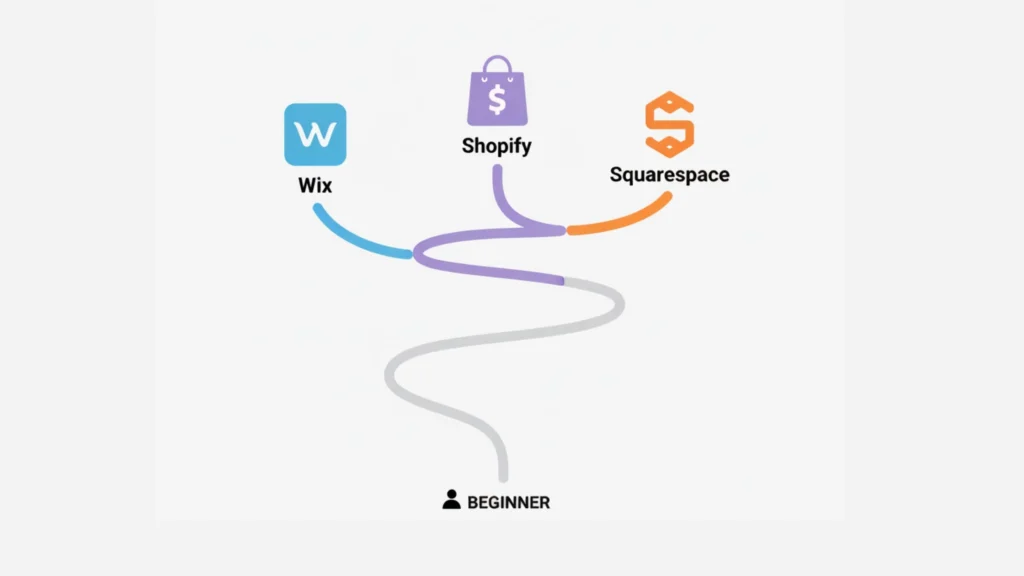
Building your online store is more exciting than ever in 2026. But with so many options, the biggest question for a new entrepreneur is: which platform should I use? You need a solution that’s powerful but not confusing, feature-rich but not budget-breaking. In short, you need to find the best ecommerce platform for small business ventures just like yours.
In this guide, we’ll walk you through the top beginner-friendly platforms of 2026, explaining who each one is best for in simple, straightforward terms. Our goal is to help you make a confident choice, so you can focus on building your brand and connecting with customers.
What is the Best Ecommerce Platform for Small Business?
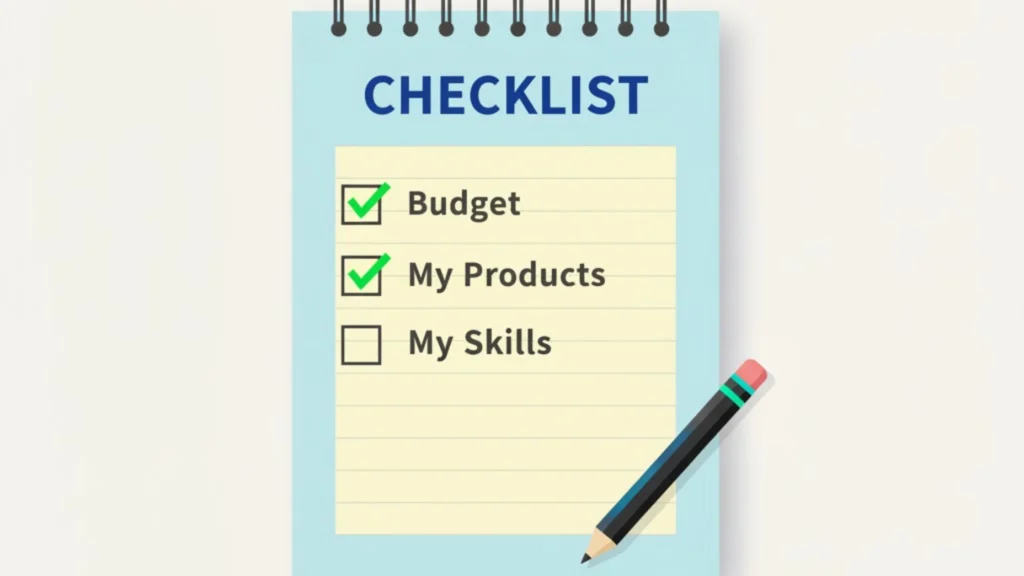
As a first-time seller, your priorities are likely different from a massive corporation. You need a platform that gets you from idea to open-for-business with minimal technical hassle. The ideal best ecommerce platform for small business owners offers an intuitive drag-and-drop builder, clear pricing, reliable customer support, and scalable plans that grow with your sales. It’s not just about having the most features, but the right features.
1. Shopify: The All-in-One Powerhouse
If you’re looking for a name you can trust that handles almost everything for you, this is the platform that most often comes to mind for a reason.
Shopify is often the default choice for a reason. It’s a dedicated, all-in-one solution where hosting, security, and payments are all managed under one roof. Its user-friendly interface lets you set up a professional-looking store without touching a line of code. With its massive app store, you can add almost any functionality imaginable. For anyone seeking the best ecommerce platform for small business growth, Shopify’s robust tools for marketing, analytics, and inventory management are unmatched. It’s a premium service, but its ease-of-use and reliability justify the cost for many.
2. Wix: The Drag-and-Drop Design Champion
For those who prioritize creative control and stunning visual design above all else, Wix offers an incredibly flexible and intuitive experience.
While Wix started as a general website builder, its ecommerce capabilities have become incredibly strong. Its main strength lies in its world-class drag-and-drop editor, giving you unparalleled freedom to create an online store design that;s to your taste. If you’re in a visually-oriented niche like art, fashion, or crafts, Wix allows you to create a truly unique storefront. It’s one of the most intuitive ecommerce platforms for beginners who want complete creative freedom without complexity.
3. Squarespace: The Storyteller’s Choice
When your brand is built on a powerful narrative and beautiful aesthetics, Squarespace provides the canvas to make your products shine.
Squarespace is renowned for its breathtaking, designer-quality templates. If your business relies on strong branding and visual storytelling, such as in lifestyle, wellness, or premium goods, Squarespace helps you create a museum-like online presence. Its built-in blogging and marketing tools are excellent for building a community around your brand. While its ecommerce features are slightly less extensive than Shopify’s, it remains a top contender for the best ecommerce platform for creators and artists.
4. BigCommerce: The Built-in Growth Engine
For the ambitious beginner who plans to scale rapidly, BigCommerce offers powerful, native features that others charge extra for.

BigCommerce is Shopify’s most direct competitor. It’s another powerful, all-in-one solution but stands out by including many advanced features in its base plans. For example, more payment gateways are available without transaction fees right out of the box. This makes it a compelling best ecommerce platform for small business owners who have big plans and want to avoid app fees as they expand. The learning curve is slightly steeper, but the long-term value can be significant.
5. Ecwid: The Simple Store Adder
What if you already have a website or a social media presence and just want to add a store? Ecwid is the perfect “plug-and-play” solution.
Ecwid (pronounced “e-juice”) takes a unique approach. Instead of building a whole website, you can add a shopping cart to your existing site, be it on WordPress, Wix, or even a simple HTML site. It also integrates seamlessly with your Instagram and Facebook pages, syncing inventory everywhere. This makes Ecwid one of the most flexible and straightforward ecommerce platforms for beginners who are already established on another platform and want to start selling quickly.
6. Square Online: The Offline-to-Online Specialist
If you already have a physical presence at markets or a brick-and-mortar store, Square Online offers the most seamless integration.
Square Online is the natural next step if you already use Square’s popular point-of-sale (POS) system. It allows you to create a free online store that automatically syncs with your in-person inventory and sales. The free plan is a huge draw for testing the waters, though it comes with transaction fees. For makers and vendors at craft fairs or pop-up shops, it’s arguably the best ecommerce platform for unifying offline and online sales effortlessly.
7. WooCommerce: The WordPress Power User’s Playground
For those already comfortable with WordPress and who want maximum control, WooCommerce turns your site into a fully-featured store.
WooCommerce is a free, open-source plugin for WordPress sites. It’s incredibly powerful and customizable, but it requires you to manage your own hosting, security, and updates. This is why it’s best for beginners who are either already familiar with WordPress or are tech-savvy and willing to learn. While it has a steeper learning curve, it offers the ultimate flexibility for building a custom online store without monthly platform fees (though you pay for hosting and premium extensions).
Feeling a little overwhelmed by the choices? That’s exactly why Shopinbos exists. We break down these platforms even further with step-by-step guides and real-world comparisons to see a side-by-side breakdown of features and pricing to find your perfect match.
How to Choose the Best Ecommerce Platform for Your Business
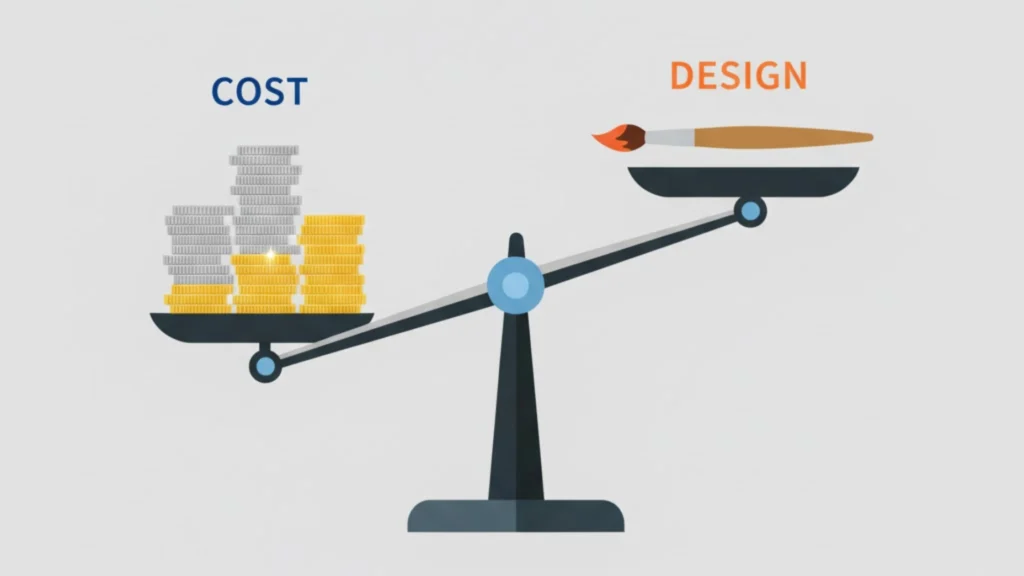
Choosing the best ecommerce platform for small business success boils down to your specific skills and goals. Ask yourself:
- What’s my budget? Consider both monthly fees and transaction costs.
- How tech-savvy am I? Be honest about your willingness to learn technical tasks.
- What do I sell? Physical goods, digital products, or services?
- How important is design? Do I need a simple template or full creative control?
There is no single “best” platform for everyone. The best choice is the one that aligns with your vision, budget, and comfort level, setting a strong foundation for your entrepreneurial journey.
FAQs About Small Business Ecommerce
Shopify is widely considered the best ecommerce platform for small businesses because it’s easy to use, scalable, and includes built-in tools for payments, shipping, and marketing. WooCommerce is a strong alternative for WordPress users who want more control and lower upfront costs.
Ecommerce for small business refers to selling products or services online through a website, marketplace, or social commerce platform, enabling businesses to reach customers beyond their physical location
To start ecommerce for a small business, choose a suitable platform, create your online store, upload products with clear descriptions and images, set up secure payment methods, and arrange shipping or delivery options.
The best ecommerce solution for small business is a platform that is easy to use, affordable, scalable, mobile-friendly, and supports secure payments, shipping, and essential marketing tools.
Small business ecommerce platforms should include inventory management, multiple payment options, mobile optimization, SEO tools, analytics, and reliable customer support to support growth.