
Finding the right products to sell online can feel like searching for a needle in a haystack. You scroll through endless options, wonder what’s actually selling, and worry about picking something nobody wants. But here’s the good news: you don’t need expensive tools or a crystal ball to discover winning products. Two free resources – Google Trends and Amazon Best Sellers can do the heavy lifting for you.
This guide walks you through a straightforward process for identifying Google Trends products that have real market demand. You’ll learn how to validate ideas, spot seasonal opportunities, and make smarter decisions before investing a single dollar.
Why Combining Google Trends and Amazon Best Sellers Works
Think of product research like detective work. Google Trends shows you what people are searching for online, revealing interest patterns over time. Amazon Best Sellers, on the other hand, shows you what people are actually buying right now. When you combine these two tools, you get both sides of the equation: search intent and purchase behavior.
Google Trends products data helps you understand if interest in an item is growing, declining, or seasonal. Meanwhile, Amazon’s rankings confirm whether that interest translates into real sales. This combination eliminates guesswork and grounds your decisions in actual market data.
For beginners especially, this approach offers a risk-free starting point. Both platforms are completely free, require no technical expertise, and provide insights that even experienced sellers pay for through premium software.
Step 1: Start With Amazon Best Sellers to Identify Product Categories
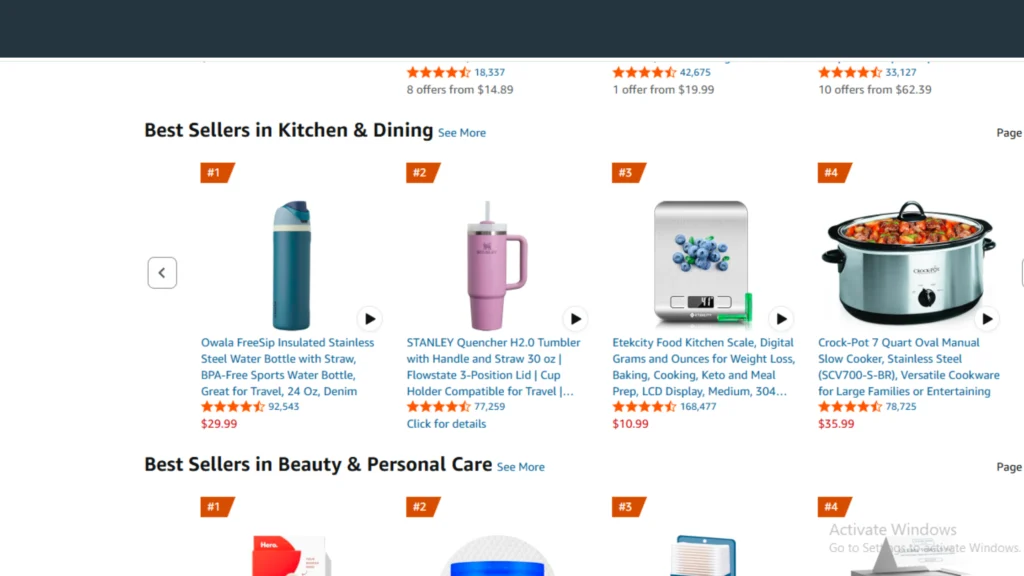
Begin your research on Amazon’s Best Sellers page. This constantly updated list shows the top-performing products across dozens of categories, from home and kitchen to toys and sports equipment.
Navigate through different categories that interest you or align with your business goals. Don’t just look at the number one spot – scroll through the top 20 or 50 items. Pay attention to patterns. Are there multiple variations of the same product type? That’s a signal of strong demand.
As you browse, jot down product types rather than specific brands. For example, instead of noting “Brand X yoga mat,” write down “yoga mats” or “fitness accessories.” You’re looking for product concepts you can validate, not exact items to copy.
Watch for products with consistent reviews and ratings. Items with thousands of reviews didn’t get there overnight, they’ve maintained sales velocity over time. These are your initial candidates for deeper investigation.
Step 2: Validate Interest Using Google Trends Products Search
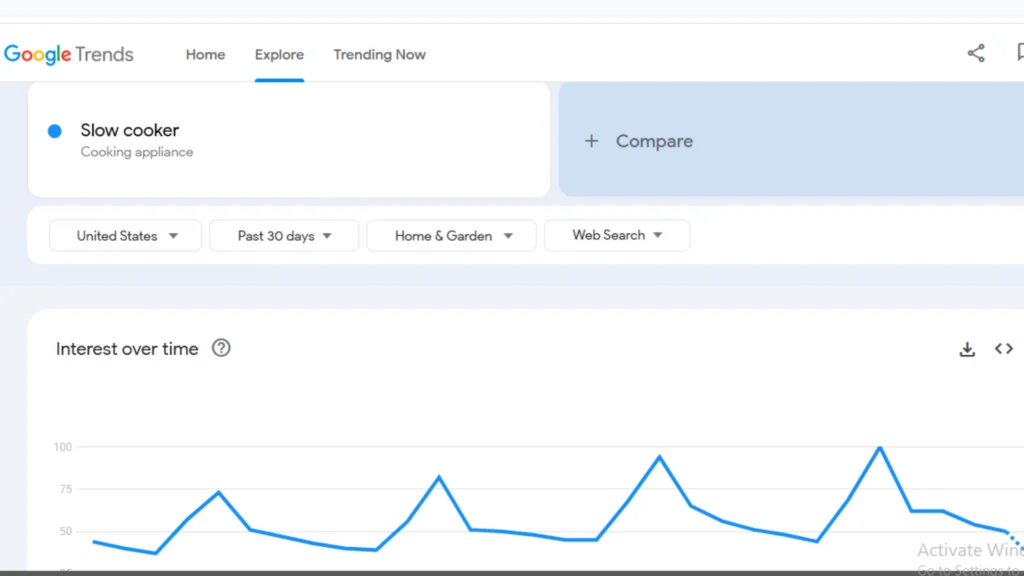
Once you have a list of promising product categories from Amazon, head to Google Trends. This tool reveals search volume patterns over the past 12 months, five years, or even longer periods.
Enter your product keyword into the search bar. Google Trends will show you whether interest is rising, stable, or falling. Look for products with upward trending lines or consistent, steady interest. Avoid items showing sharp declines unless you have a specific reason to believe they’ll rebound.
The geographic data is particularly valuable. Google Trends shows where searches are happening most frequently. If you’re targeting specific regions or countries, this information helps you understand local demand for Google Trends products before committing resources.
Compare multiple related keywords side by side. For instance, search “resistance bands” versus “exercise bands” versus “workout bands.” Google Trends lets you see which terms people actually use, helping you optimize your product listings and marketing later.
Step 3: Analyze Seasonal Patterns and Timing
One of Google Trends’ most powerful features is revealing seasonal patterns. Click on any keyword and examine the interest over time graph carefully. Do searches spike during certain months? This insight will be valuable for inventory planning.
For example, Google Trends products like “pool floats” show predictable summer peaks, while “space heaters” surge in winter. Understanding these cycles helps you time your product launches and avoid getting stuck with unsold inventory during off-seasons.
Don’t dismiss seasonal products entirely. They can be highly profitable if you plan properly. The key is entering the market before the peak, ideally two to three months ahead – when competition is lower and you have time to build momentum.
For year-round products, look for steady or growing interest without major volatility. These items offer more predictable cash flow and easier inventory management, making them ideal for beginners.
Step 4: Cross-Reference Related Queries and Rising Searches
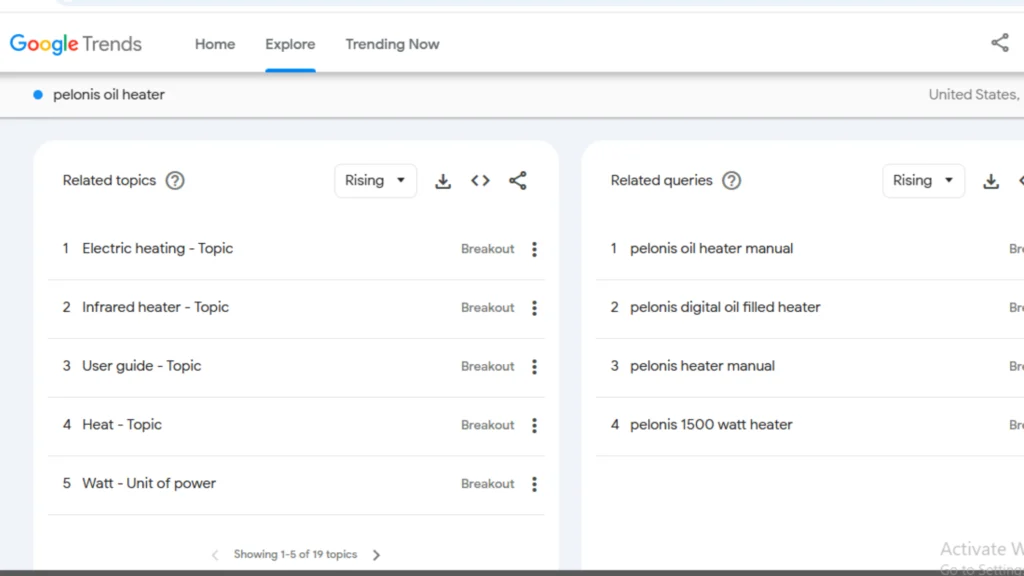
Scroll down on any Google Trends page to find two sections: “Related queries” and “Rising searches.” This often reveals opportunities most sellers overlook.
Related queries show what else people search for when looking for your product. These suggestions can uncover product variations, complementary items, or alternative niches worth exploring. Rising searches highlight terms gaining momentum quickly and that is perfect for catching trends early.
Let’s say you’re researching “coffee grinders.” Related queries might show “burr coffee grinder” or “manual coffee grinder,” indicating specific product features customers care about. Rising searches might reveal “coffee grinder for cold brew,” spotting an emerging subcategory before it saturates.
Use these insights to refine your product ideas or identify multiple items you can sell together. The goal is finding Google Trends products with growing interest that haven’t hit peak competition yet.
Step 5: Return to Amazon for Competition Assessment
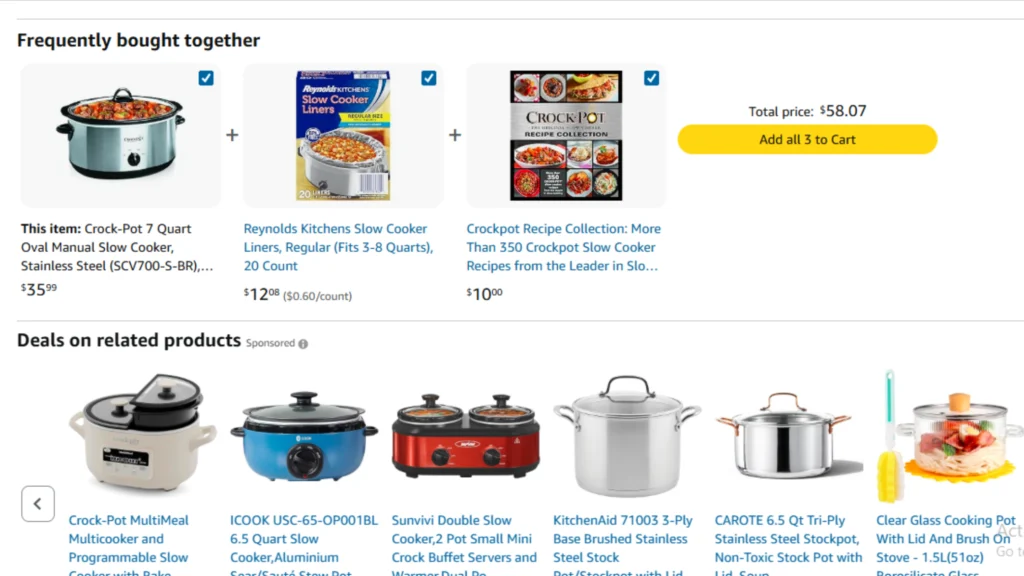
With validated product ideas from Google Trends, go back to Amazon and dig deeper. Search for your chosen product and study the competition. How many sellers offer similar items? What are their price points? How do their reviews look?
Products with moderate competition and reasonable profit margins are your sweet spot. Too little competition might mean no demand; too much means you’ll struggle to stand out. Look for categories where the top sellers have room for improvement in photos, descriptions, or customer service.
Check the “Customers also bought” section on popular product pages. This shows you complementary items that create bundle opportunities or reveal what buyers naturally purchase together.
At Shopinbos, we understand that navigating your first product research can feel overwhelming. That’s why we provide beginner-friendly guides and resources that break down complex eCommerce strategies into actionable steps. Whether you’re selling on Amazon, Shopify, or any other platform, our product sourcing strategies guide helps you make confident decisions based on real data, not guesswork.
Putting It All Together: Your Product Research Checklist
Before committing to any product, verify these criteria:
- Consistent or growing Google Trends interest over at least six months
- Presence in Amazon’s Best Sellers or Hot New Releases
- Reasonable competition levels (not completely saturated)
- Profit margins of at least 30% after all costs, and positive customer reviews indicating demand satisfaction.
Document your findings in a simple spreadsheet. Track product names, average prices, trend directions, seasonality notes, and competition levels. This organized approach helps you compare options objectively rather than making emotional decisions.
Remember that product research is ongoing. Markets shift, trends evolve, and new opportunities emerge constantly. Successful sellers make Google Trends products analysis a regular habit, not a one-time task.
The combination of Google Trends and Amazon Best Sellers gives you a powerful, free framework for product discovery. You’re leveraging massive data sources that reflect real consumer behavior, putting you ahead of sellers who rely purely on intuition. Start small, validate thoroughly, and scale what works.
FAQs
How often should I check Google Trends for product research?
Check Google Trends weekly when actively researching new products and monthly once you’ve established your product line. Regular monitoring helps you catch emerging trends early and adjust to seasonal shifts. Set reminders to review your existing Google Trends products to ensure continued demand.
Can I use Google Trends for international selling?
Absolutely. Google Trends allows you to filter by country or region, making it perfect for international market research. If you’re planning to sell in multiple countries, compare search patterns across regions to identify which products have universal appeal versus localized demand.
What if Google Trends shows declining interest in my chosen product?
A declining trend isn’t always a dealbreaker. Check if the decline is temporary (seasonal dip) or long-term. If it’s genuinely falling, pivot to related products showing growth.
How do I know if Amazon’s competition is too high?
Look at the first page of search results. If all spots are dominated by major brands with thousands of reviews, competition is likely too intense for beginners. However, if you see several smaller sellers with under 500 reviews succeeding, there’s room for you. Focus on niches where you can differentiate through better service, unique bundles, or improved product quality.