
It’s your first online store! You’ve found your products, set up your website, and are ready for your first sale. But then, a question pops up: how do you get customers to come back? The answer, often overlooked by beginners, is a powerful strategy called ecommerce email marketing.
Think of it as a direct line to your customers’ inboxes. It’s where you can build relationships, announce new products, and turn one-time buyers into loyal fans. But with so many techy-looking platforms out there, where does a new seller even begin? Don’t worry. We’ve done the research for you. This guide breaks down the five easiest email marketing tools specifically for eCommerce beginners, focusing on affordability, user-friendliness, and powerful automation features to help your new business grow on autopilot.
Why Your eCommerce Store Needs an Email Strategy
As a new seller, your focus might be entirely on driving new traffic through social media or ads. However, the real goldmine is in the visitors you already have. Effective ecommerce email marketing allows you to capture a visitor’s email address and nurture that relationship over time. You can send abandoned cart emails, welcome series for new subscribers, and post-purchase follow-ups. This isn’t just spam; it’s a strategic way to increase customer lifetime value and build a sustainable business. Mastering list building and customer retention from the start sets a solid foundation for long-term growth.
1. Mailchimp: The All-in-One Classic for Getting Started
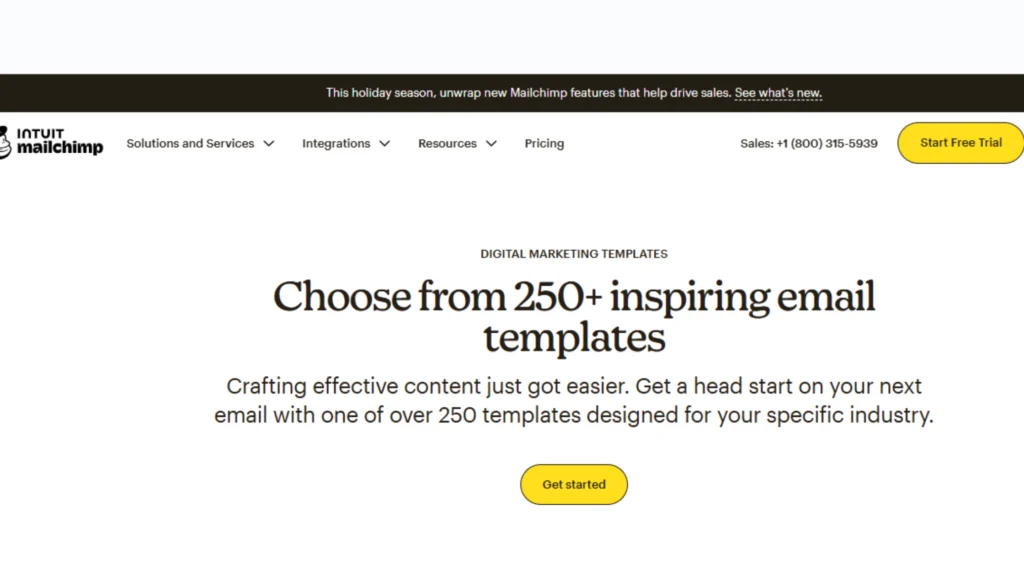
When you’re just dipping your toes into the world of digital marketing, you need a platform that feels familiar and guides you every step of the way. Mailchimp has long been the go-to for small businesses taking their first steps.
Mailchimp is arguably the most recognized name in the space, and for good reason. Its free plan is robust enough for a brand-new store to start building its list and sending its first campaigns. The interface is intuitive, with a drag-and-drop editor that makes creating visually appealing emails a breeze, even with zero design skills. For ecommerce email marketing, it offers basic integrations with platforms like Shopify and WooCommerce, allowing you to see purchase data and set up simple product recommendation emails. It’s the perfect playground to learn the fundamentals of lead generation and email design without a hefty financial commitment.
2. Moosend: The All-in-One Powerhouse for Growing Stores
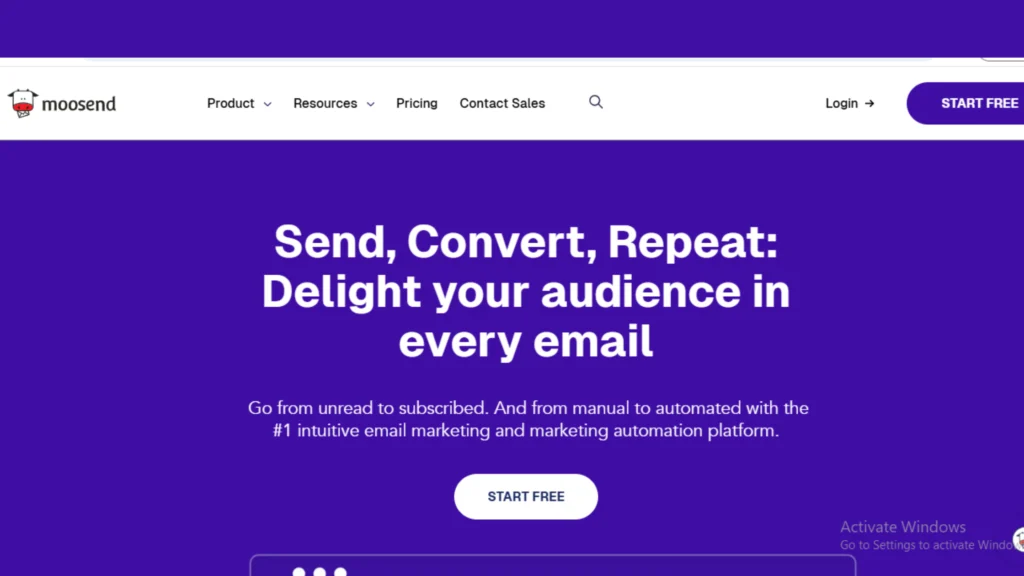
As your store grows from its first few sales, you might find yourself needing more power than a basic tool offers, without the complexity of an enterprise platform. This is where a tool that balances advanced features with a user-friendly approach becomes essential.
Moosend is a fantastic choice for beginners who are ready to scale their ecommerce email marketing efforts. It strikes an excellent balance by offering a simple, intuitive drag-and-drop editor alongside surprisingly powerful marketing automation features. You can easily create sophisticated workflows like abandoned cart sequences and welcome series using a visual, easy-to-follow workflow builder. What makes it particularly appealing for new store owners is its transparent, affordable pricing that includes advanced features like segmentation and landing pages on most plans. For a growing eCommerce business, Moosend provides the power of a premium tool with the simplicity a beginner needs.
3. Omnisend: The Master of Marketing Automation Flows
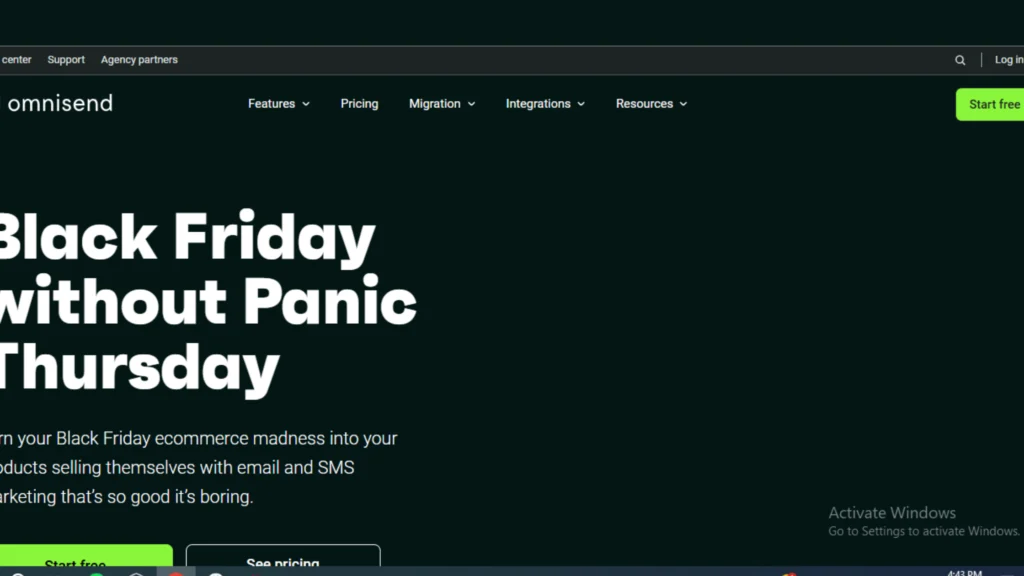
What if you could automate almost every customer interaction, saving you time and boosting conversions? Some platforms make this their primary focus, offering incredible pre-built workflows.
Omnisend stands out for its exceptional focus on pre-built automation workflows. Its free plan is notably generous for beginners, offering robust automation capabilities. Setting up a multi-channel campaign that uses both email and SMS is incredibly straightforward. For a beginner, this means you can launch a complex, revenue-generating series of messages with just a few clicks. Omnisend simplifies powerful ecommerce email marketing tactics, making advanced strategies accessible to store owners who aren’t tech experts.
4. MailerLite: The Simple & Affordable Workhorse
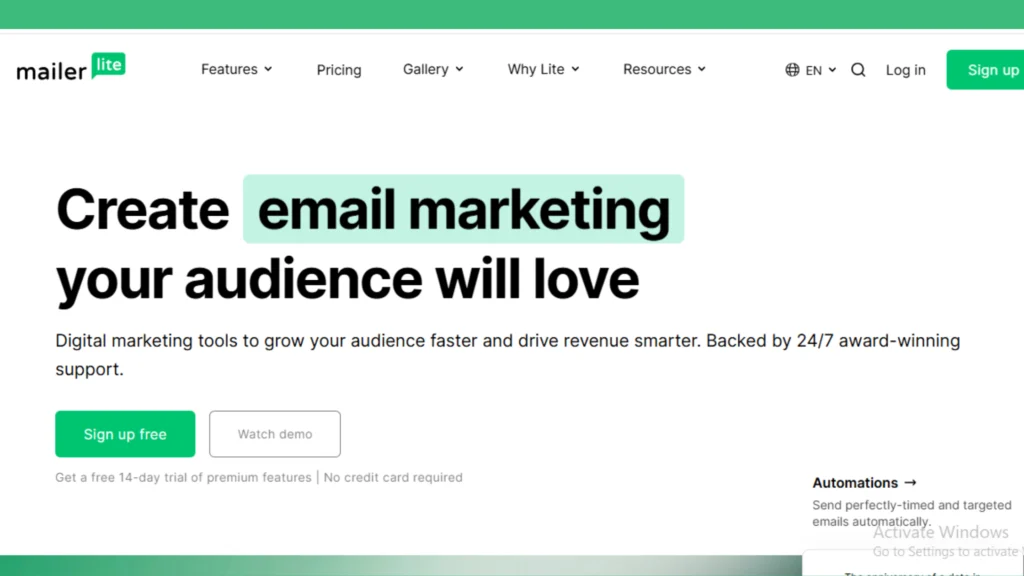
Not every new business needs a vast array of complex features. Sometimes, you just need a reliable, easy-to-use, and cost-effective tool that gets the job done well.
If your primary needs are crafting beautiful newsletters and managing your growing subscriber list without any fuss, MailerLite is a top contender. It’s known for its clean, user-friendly interface and exceptional affordability. The platform offers a powerful free plan and very reasonably priced paid tiers. While its ecommerce email marketing features aren’t as deep as Klaviyo’s or Omnisend’s, it does include crucial functionalities like pop-up forms for list building, automation triggers (like welcoming new subscribers), and solid eCommerce integrations.
5. Constant Contact: The Guided Solution for Absolute Beginners
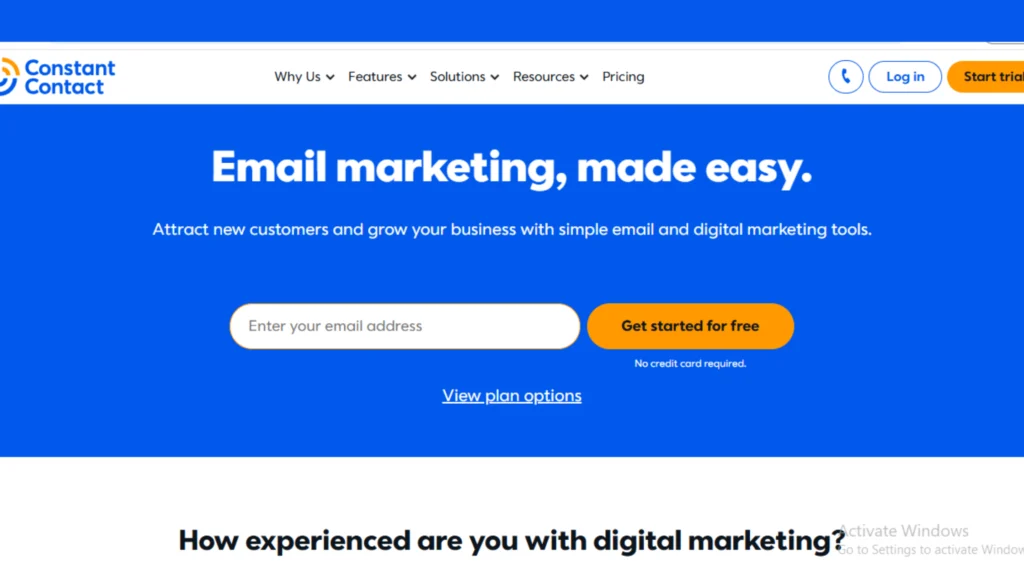
For some, the very idea of “setting up an automation” can be daunting. If you prefer a more guided, hand-holding experience with plenty of support, certain platforms are designed with you in mind.
Constant Contact has built its reputation on being incredibly beginner-friendly. It offers step-by-step guidance, numerous templates, and excellent customer support to help you every step of the way. Its AI-powered email design tool, AI Content Generator, can even help you write subject lines and content if you’re stuck. While it’s a more general email marketing tool than an eCommerce-specific one, its integrations with major online store platforms make it a viable and low-stress option. It focuses on helping you build a strong foundation in digital marketing fundamentals with confidence.
Your Next Steps in Mastering eCommerce Email Marketing
Choosing the right tool is your first step toward building a loyal customer base. The best platform for you depends on your immediate budget, your comfort with technology, and your growth ambitions. Most of these tools offer free trials or plans, so we encourage you to test one or two that resonate with you.
Remember, the goal of ecommerce email marketing is to build relationships, not just broadcast sales. Whichever tool you pick, focus on providing value to your subscribers.
Feeling a bit overwhelmed by the technical setup of these tools or how to craft a compelling email strategy? Check out our comprehensive guide on Email Marketing Onboarding Kit for ready-to-use email marketing strategies.
Ready to build a brand people love? Explore more of our beginner-friendly guides and resources at Shopinbos.com to turn your store into a success story.
Frequently Asked Questions (FAQs)
What is the most important type of email for a new eCommerce store?
For most new stores, the “abandoned cart” email is the most crucial. It targets visitors who were interested enough to add a product to their cart but didn’t complete the purchase. This automated flow can recover a significant amount of lost revenue with minimal effort.
Is email marketing still effective for eCommerce?
Absolutely. Despite the rise of social media, email marketing consistently offers one of the highest returns on investment (ROI) for eCommerce businesses. It’s a direct, owned channel to communicate with your most engaged audience.
Which is the best free email marketing tool for a complete beginner?
Mailchimp and MailerLite both offer excellent free plans. Mailchimp is great for all-around ease and brand recognition, while MailerLite is known for its straightforward interface and generous features on its free tier.
How often should I send emails to my subscribers?
There’s no one-size-fits-all answer, but consistency is key. For beginners, start with a weekly or bi-weekly newsletter. The most important thing is to provide valuable content (like product tips, stories, or useful insights) rather than just constant sales pitches, to keep your audience engaged and prevent unsubscribes.