

Choosing the right foundation for your online store can make or break your eCommerce success. With countless options available, finding the best ecommerce platforms for your specific needs feels overwhelming. You’re not just picking a website builder, you’re choosing your business partner for growth, sales, and customer relationships.
This comprehensive comparison breaks down the top four contenders: Shopify, WooCommerce, Wix, and BigCommerce. We’ll examine their strengths, weaknesses, pricing, and ideal use cases to help you make an informed decision that aligns with your business goals and technical comfort level.
What Makes an Ecommerce Platform “The Best”?
Before diving into specific platforms, let’s establish what separates the best ecommerce platforms from mediocre ones. The ideal platform should offer intuitive design tools, robust payment processing, reliable hosting, mobile optimization, SEO capabilities, and room for growth as your business expands.
Consider your current needs alongside future ambitions. A platform perfect for selling handmade jewelry might struggle with complex inventory management for electronics. Similarly, what works for a solo entrepreneur may not scale effectively for a growing team. The best ecommerce platforms adapt to your evolving requirements while maintaining simplicity for daily operations.
Shopify: The All-in-One Ecommerce Powerhouse
Shopify consistently ranks among the best ecommerce platforms due to its perfect balance of power and simplicity. This hosted solution handles technical aspects like security, hosting, and updates, allowing you to focus on growing your business rather than managing servers.
The platform excels in ease of use with drag-and-drop customization, professional themes, and comprehensive app marketplace. Shopify’s payment processing integrates seamlessly, accepting all major credit cards and digital wallets. Advanced features like abandoned cart recovery, discount codes, and detailed analytics makes it even better..
Pricing starts at $19 monthly for basic plans, scaling to $299 for advanced features. While costs add up with apps and transaction fees, Shopify’s reliability and extensive feature set justify the investment for serious sellers. The platform powers over 3.7 million businesses worldwide, from small startups to enterprise brands like Gymshark and Allbirds.
However, Shopify’s monthly fees and transaction costs can strain tight budgets, especially for new sellers testing product-market fit. Customization beyond themes requires coding knowledge or hiring developers, potentially increasing initial setup costs.
WooCommerce: The Flexible WordPress Solution
WooCommerce transforms WordPress websites into fully functional online stores, making it one of the most popular choices among the best ecommerce platforms. This free plugin approach appeals to budget-conscious entrepreneurs and those already familiar with WordPress.
The platform’s greatest strength lies in its complete customization control. Unlike hosted solutions, you control every aspect of your store’s functionality, design, and data. Thousands of free and premium extensions enable features from subscription billing to advanced shipping calculations. WooCommerce integrates perfectly with WordPress’s SEO capabilities, giving you significant advantages in search rankings.
Cost-wise, WooCommerce appears free initially, but expenses accumulate through hosting, themes, extensions, and security measures. Budget $20-250 monthly for reliable hosting and essential extensions, though costs vary significantly based on your requirements.
The main drawbacks include technical complexity and maintenance responsibilities. You’ll handle security updates, backups, and troubleshooting. Without technical skills, you’ll need developer assistance for customizations, potentially offsetting initial savings. Performance optimization requires careful attention as your store grows.
Wix: The Beginner-Friendly Option
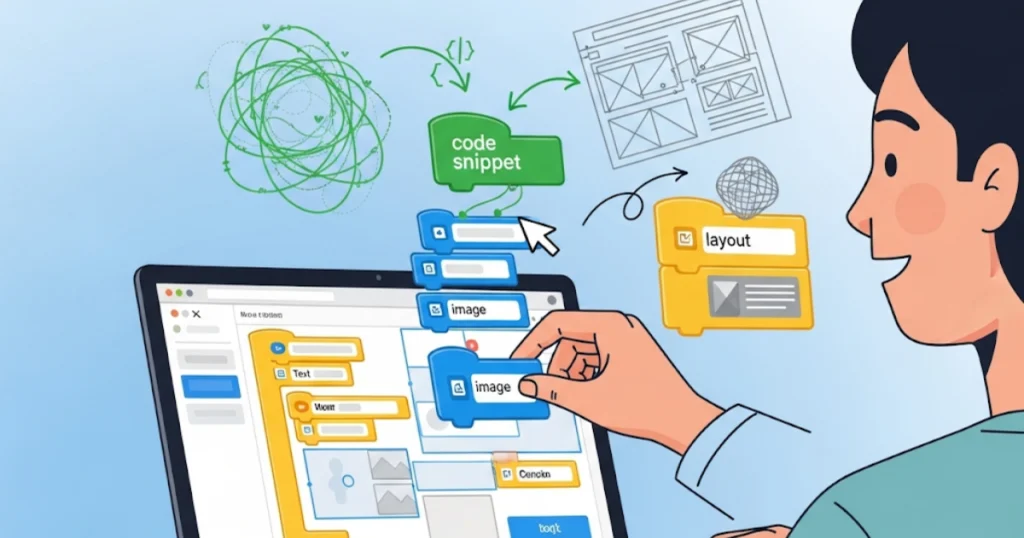
Wix has evolved from a simple website builder into one of the best ecommerce platforms for small businesses and beginners. Its visual editor and design artificial intelligence make store creation remarkably straightforward, even for complete novices.
The platform shines with its intuitive drag-and-drop interface, stunning templates, and all-inclusive hosting. Wix handles technical aspects while providing tools for social media integration, email marketing, and basic SEO. The App Market offers additional functionality, though not as extensive as other platforms.
Pricing ranges from $0-50 monthly for eCommerce plans, including hosting and basic features. This transparent pricing appeals to budget-conscious sellers who want predictable costs without hidden fees or transaction charges.
However, Wix limitations become apparent as businesses grow. The platform offers fewer advanced eCommerce features compared to dedicated solutions. Template switching requires rebuilding your site, and SEO capabilities, while improved, still lag behind WordPress-based solutions. Wix works best for simple stores with straightforward needs rather than complex operations.
At Shopinbos, we understand that choosing between the best ecommerce platforms can feel overwhelming for first-time sellers. Our detailed platform guides and comparison tools help you navigate these decisions with confidence, providing unbiased insights tailored to your specific business needs and technical comfort level.
BigCommerce: The Scalable Enterprise Solution

BigCommerce positions itself among the best ecommerce platforms for growing businesses that need enterprise features without enterprise complexity. This hosted solution provides powerful built-in functionality that competitors often charge extra for through apps or extensions.
The platform excels in native features like advanced SEO tools, multi-channel selling, abandoned cart recovery, and detailed analytics. BigCommerce handles unlimited products, bandwidth, and storage on all plans, a significant advantage over competitors with restrictive limits. API-first architecture enables extensive customizations and integrations.
Pricing starts at $29 monthly, less than Shopify’s entry level while including more advanced features. The absence of transaction fees makes BigCommerce cost-effective for high-volume sellers. Plans differ for enterprise features based on merchants’ needs, though most small to medium businesses find the standard plans sufficient.
BigCommerce’s learning curve is steeper than Wix or basic Shopify setups. The abundance of features can overwhelm beginners, and theme customization requires more technical knowledge than other platforms. The app ecosystem, while growing, remains smaller than Shopify’s extensive marketplace.
Key Factors to Consider When Choosing Your Ecommerce Platform
Understanding your specific needs helps narrow down the best ecommerce platforms for your situation. Consider your technical skills honestly, while some platforms promise simplicity, some require more hands-on management than others.
The budget extends beyond monthly fees to include themes, apps, payment processing, and potential developer costs. Calculate total cost of ownership over your first year to avoid surprises. Consider both current needs and future growth, because migrating platforms later becomes expensive and time-consuming.
Think about your product types and inventory complexity. Simple stores with few products have different requirements than multi-variant catalogs with complex shipping rules. Integration needs also matter, consider your existing tools for accounting, email marketing, and customer service.
Making the Right Choice for Your Business
Among the best ecommerce platforms, Shopify offers the best overall balance for most sellers. Its combination of ease-of-use, features, and scalability serves businesses from startup to enterprise level. Choose Shopify if you want reliability without technical headaches.
Select WooCommerce if you need maximum customization control and have technical skills or budget for development. This platform rewards investment in setup with long-term flexibility and lower ongoing costs.
Wix suits complete beginners who prioritize simplicity over advanced features. It’s perfect for testing business ideas or running simple stores.
BigCommerce appeals to growing businesses that need advanced features without app marketplace dependency. Choose it if you’re planning rapid scaling and want built-in enterprise capabilities.
Platform Migration and Future-Proofing
Even with careful consideration, businesses sometimes outgrow their chosen platform among the best ecommerce platforms. Migration involves transferring products, customers, orders, and SEO value, a complex process that can disrupt operations if not planned properly.
Future-proofing your choice means selecting platforms that can grow with your ambitions. Consider not just current needs but where you want to be in 2-3 years. The best ecommerce platforms accommodate growth without forcing complete rebuilds.
Document your requirements clearly before making decisions. This documentation helps evaluate platforms objectively and provides a baseline for future platform assessments as your business evolves.
Frequently Asked Questions
Which platform is best for complete beginners with no technical experience?
Wix is the most beginner-friendly option, followed closely by Shopify. Both offer intuitive interfaces and handle technical aspects automatically. Wix has a gentler learning curve, while Shopify provides more room for growth as you gain experience.
What’s the most cost-effective platform for small businesses?
WooCommerce offers the lowest long-term costs if you have technical skills, though setup requires more investment. For hosted solutions, Wix provides good value for simple stores, while Shopify and BigCommerce offer better value as transaction volumes increase.
Can I migrate from one platform to another later?
Yes, but migration involves complexity and potential SEO impact. Most platforms offer migration tools or services, but planning for growth from the start saves time and money. Consider your 2–3-year goals when choosing initially.
Which platform is best for SEO and organic traffic?
WooCommerce (WordPress-based) offers the most SEO control and flexibility. Shopify and BigCommerce provide solid SEO tools built-in, while Wix has improved significantly but still lags in advanced SEO capabilities compared to other platforms.