

In 2026, mobile ecommerce store accounts for nearly 60% of all global online retail sales and in markets like Nigeria, where smartphone usage continues to outpace desktop adoption, that number is even more significant. So if your online store isn’t built with mobile users in mind, you’re not just missing a trend; you’re essentially turning away the majority of your potential customers.
Whether you’re figuring out how to start an ecommerce business for the first time, or you already have a store that needs a serious mobile upgrade, this guide walks you through exactly what to do step by step.
Why Mobile Ecommerce Is No Longer Optional in 2026

Approximately 1.65 billion people are expected to shop via smartphone globally in 2026, and over 76% of adults in developed markets already make purchases from their phones. In Nigeria specifically, over 90% of internet users access the web exclusively via mobile, making mobile web the default for any seller targeting Nigerian shoppers.
Yet despite all that traffic, mobile conversion rates average around 1.82% globally, compared to desktop’s 3.9%. The gap isn’t because people don’t want to buy on mobile. It’s because too many stores make it unnecessarily hard. Clunky navigation, slow load times, and checkout flows built for a laptop screen all kill potential sales. A strong mobile strategy closes that gap directly.
The stores investing in mobile-first web design today will win the customers that desktop-first stores keep losing at checkout, whether those customers are in Lagos, London, or Los Angeles.
5 Steps to Build a Mobile Ecommerce Store That Actually Converts

Building a strong mobile ecommerce presence doesn’t have to be overwhelming. These five steps will set you up with a store that works on every screen size, keeps shoppers engaged, and turns browsers into buyers.
Step 1: Choose a Platform Built for Mobile from the Ground Up
Before you build anything, pick the right foundation. The best mobile website builder for your store should offer responsive design by default, fast page load speeds, and a checkout experience that works smoothly on a small screen. Look for platforms that include mobile-optimised templates, built-in image compression, and support for one-click payments like Apple Pay, Google Pay, and local options relevant to your market, in Nigeria, that means Paystack, Flutterwave, or bank transfer support.
When you build an ecommerce store, your platform choice shapes everything downstream. A good website launch checklist will help you compare platforms before you commit because switching later is far more disruptive than choosing well from the start.
Step 2: Make Speed Your Top Priority
Mobile shoppers are impatient. In markets with variable network speeds, like Nigeria where 3G and 4G connections are common, fast load times are essential to keeping shoppers on your page at all.
Compress your product images without sacrificing quality, use lazy loading so content loads as shoppers scroll, and minimise unnecessary scripts and plugins. A Content Delivery Network (CDN) also helps serve your store faster to shoppers across different regions, which matters when you’re selling to both local and international audiences.
Step 3: Design for Thumbs, Not Cursors
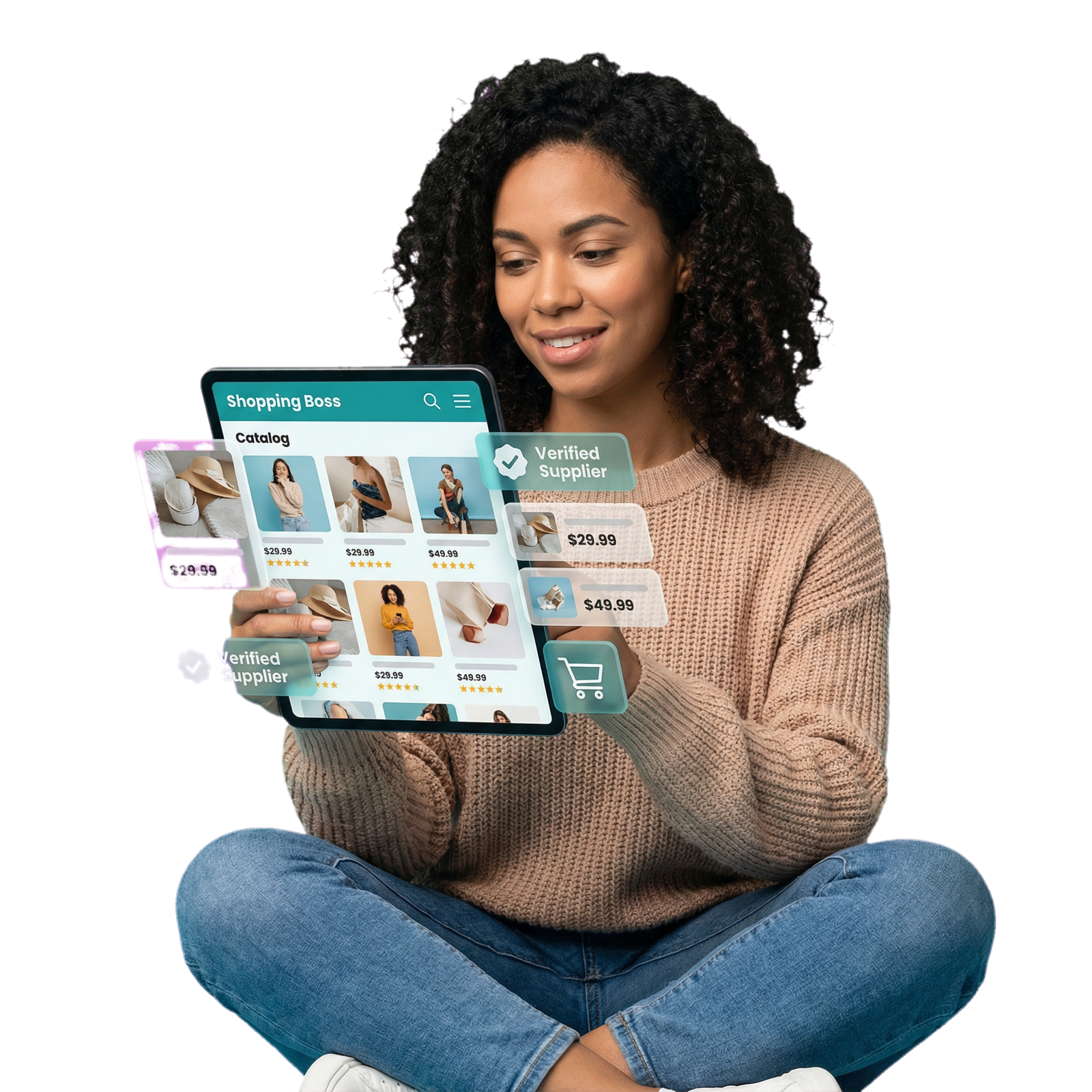
Mobile-first web design means rethinking your entire layout around how people actually use their phones, one hand, one thumb, on a screen the size of a playing card. That changes everything from button placement to font size.
Here are the core online store design principles to apply from day one:
- Make all tappable buttons at least 44×44 pixels so they’re easy to tap accurately.
- Keep navigation simple, a sticky header or a clean hamburger menu works best.
- Place your “Add to Cart” or “Buy Now” button above the fold so shoppers never scroll to find it.
- Use large, high-contrast text so prices and descriptions are readable without zooming.
- Avoid full-screen pop-ups on mobile, they frustrate users and hurt your Google rankings.
When mobile design is done right, shoppers just move through your store without friction and that’s the goal.
Step 4: Strip Your Checkout Down to the Essentials
Mobile cart abandonment sits between 79% and 90%, and most of it happens at checkout. Long forms, forced account creation, and too many steps between “Add to Cart” and “Order Confirmed” work against you. Two in three shoppers expect checkout to take under four minutes, miss that and they’re gone.
To build a checkout that actually converts:
- Enable guest checkout so first-time buyers don’t have to register.
- Offer digital wallets and local payment methods for one-tap or familiar payment.
- Use auto-fill for address and payment fields wherever possible.
- Show a progress indicator so shoppers know how close they are to done.
- Display trust signals, security badges, return policies, and reviews on the checkout page itself.
Every field you remove and every step you simplify is a direct investment in your conversion rate.
Step 5: Consider Mobile Commerce Apps as You Scale
A strong mobile website is the right starting point, but as your store grows, mobile commerce apps become worth exploring. App users shop more frequently, spend more per order, and stay loyal longer than browser shoppers. Brands with strong repeat purchase rates often see over 30% of their revenue come through their app alone.
You don’t need to build one immediately. Start with an excellent mobile web experience, then evaluate whether an app makes commercial sense as your audience, whether in Nigeria or globally continues to grow. When building an online store for the long term, a dedicated mobile app can become one of your most powerful retention tools.
What to Improve First in Your Mobile Ecommerce Design

Already have a store? Don’t try to fix everything at once. Start with page speed, it has the biggest single impact on conversions. Run your store through Google PageSpeed Insights and act on the top recommendations first.
Next, go through your own checkout on your phone as if you’re a new customer. Every moment of confusion or friction is a sales opportunity lost. After checkout, check your product pages: is the “Add to Cart” button always visible? Are descriptions scannable? Can a new visitor find what they need in two taps or fewer?
Finally, set up mobile analytics to track bounce rates, session length, and checkout drop-off points. The data will consistently show you where to focus next and that’s how you keep improving without guessing.
Increase Your Mobile Commerce Conversion with ShopinBos
Building a mobile ecommerce store that converts requires more than effort, it requires the right partner. ShopinBos is an ecommerce enablement platform built to help sellers across Nigeria and beyond launch, manage, and grow their online stores with confidence.
From guiding your online store design decisions to helping you build an ecommerce store with a mobile-first foundation that performs in any market, ShopinBos brings the practical expertise you need to compete in 2026.
Whether you’re building an online store from scratch or improving an existing one, ShopinBos is the partner that helps you get it right.
FAQs About Mobile Ecommerce Store
Mobile ecommerce (m-commerce) means buying and selling through smartphones and tablets. It matters because mobile now drives nearly 60% of global online retail and in Nigeria, where most internet users are mobile-only, it’s simply how people shop. A store that isn’t mobile-optimised loses those customers before they even see your products.
A well-built responsive website handles most situations well, automatically adapting to any screen size without the need for two separate sites. A dedicated mobile commerce app becomes worth considering once you have a loyal, repeat-buying customer base and want to deepen engagement and retention.
Focus on three things first: faster page load times, a simpler checkout, and thumb-friendly navigation. Enable digital wallets and local payment methods, cut down checkout steps, and use Google PageSpeed Insights to fix technical issues. Then monitor your mobile analytics regularly to identify and address your biggest drop-off points.