So, you have a product idea, maybe it has been living rent-free in your head for months. You know there is a market for it, you can picture the packaging, and you might have even told a friend or two. But then comes the big question: how do you sell it online without spending a fortune before you have made your first naira or dollar?
The good news is that building an online store does not have to drain your savings. In fact, with the right tools and a clear plan, you can launch a functional, professional store on a very lean budget.
This guide walks you through exactly what you need, nothing more, nothing less, so you can stop overthinking and start selling.
You Do Not Need a Big Budget to Build an Online Store
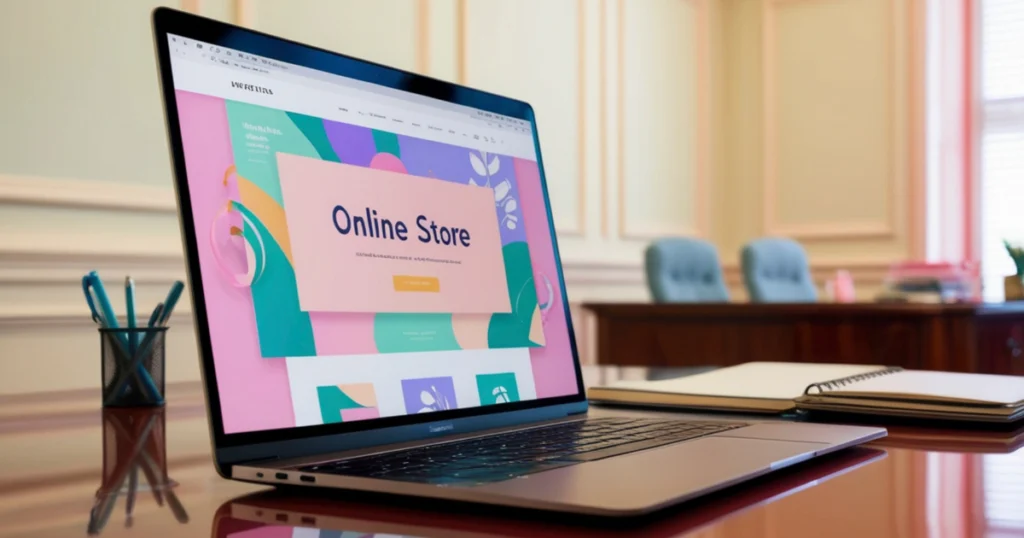
Here is the truth that most people do not hear until they have already spent too much: the technical barrier to starting an online store has never been lower. If you know how to start an online store, the process is surprisingly straightforward. You choose a platform, upload your products, connect a payment method, and you are live. The expensive part, and where most new sellers go wrong, is assuming they need everything at once.
Many entrepreneurs start with less than $100 and grow by reinvesting their first profits. That right there is a strategy that works. Think of your first store as a lean version of your big vision: enough to test, enough to sell, and enough to learn what your customers actually want before you invest more heavily.
Step 1: Pick Your Platform Wisely
Your ecommerce platform is the engine of your store, and fortunately, you have solid options even at the free or low-cost end. Before you choose, here are the key things to look for:
- Ease of use: you should not need a developer to launch
- Built-in payment processing or easy integrations
- Mobile-friendly store design out of the box
- Room to grow without switching platforms later
Platforms like Wix, WooCommerce, and a number of free online store builders let you get started without an upfront investment. If you want something more dedicated and scalable, some tools offer starter plans from $5 to $30 per month. The key is matching the platform to where you are right now, not where you hope to be in three years. You can always upgrade as your revenue grows.
For sellers who want an African-market-friendly approach to building an online store, platforms like ShopinBos offer ecommerce enablement designed for the realities of local commerce, helping you build an ecommerce store infrastructure that works for your customers and your context.
Step 2: Sort Out the Essentials (And Only the Essentials)
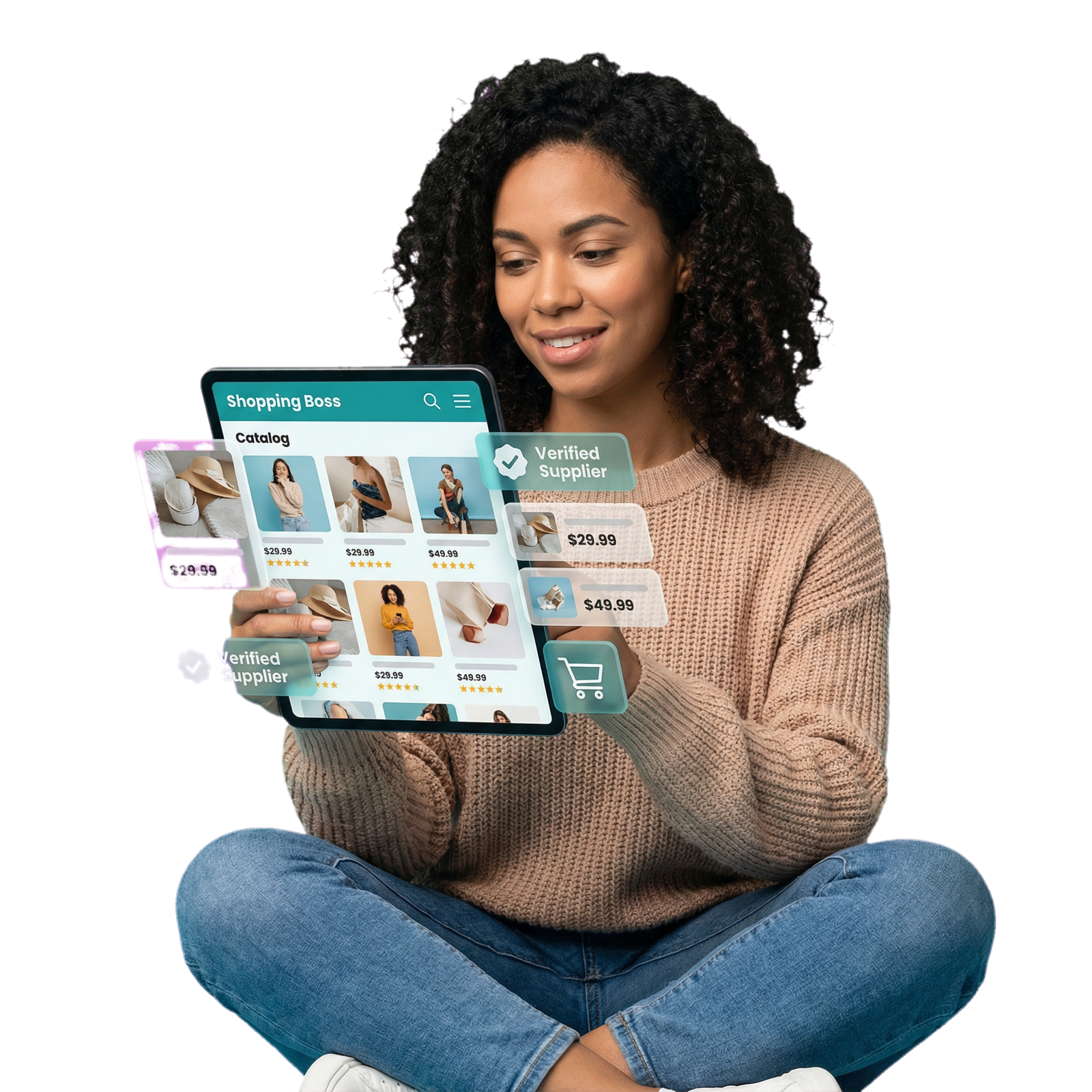
Once you have your platform, the next step is pulling together the basics you genuinely need before going live. Think of this as your minimum viable store, the version that lets you start making sales while you refine everything else.
Here is what actually matters at the start:
- A domain name, this costs roughly $10 to $20 per year and is worth every penny for credibility
- A clean, mobile-responsive store design, most platforms provide free templates that look great with minimal customization
- Clear product pages with good photos, honest descriptions, and visible pricing
- A payment method your customers trust
- A simple returns or contact policy so buyers feel safe
Notice what is not on that list? A custom logo from an agency, a fully branded packaging experience, or a paid ads budget. Those can come later. First, what matters is that someone can land on your store, understand what you sell, and pay you without friction. Before you publish, run through a comprehensive website launch checklist to ensure nothing critical is missing.
Step 3: Think About Your Products and Inventory Model
One of the biggest cost levers in building an online store is how you handle inventory. Buying stock upfront can quickly add up, which is why many budget-conscious sellers start with one of these models instead:
- Dropshipping: you sell the product, a supplier ships it directly to your customer, and you never hold stock
- Print on demand: great for custom products like apparel or prints; items are created only when someone orders
- Pre-orders: sell before you manufacture, using the revenue to fund production
- Starting with a small, curated product range: 10 to 20 products is plenty to test the market without overextending
Each of these approaches dramatically reduces the upfront cost, giving you more room to invest in the parts of your business that actually drive growth, like your online store design and customer experience.
Step 4: Get Your Store Found Without Spending on Ads
Here is where many new sellers hit a wall: they build the store, then wait for customers who never arrive. Traffic does not happen automatically, but the good news is that you can generate meaningful visibility without a paid ads budget, at least in the early days. The ecommerce marketing strategies that work best for budget starters include:
- SEO: optimizing your product pages and store content so people can find you through search
- Social media: building an organic presence on one or two platforms where your ideal customers hang out
- WhatsApp and community selling: especially effective for sellers in African markets
- Email capture from day one: even a simple sign-up form gives you a way to reconnect with visitors who have not yet bought
Focus on one channel at a time rather than spreading yourself thin. Consistency on one platform beats inconsistency on five, and when your first sales start coming in, you will have both the data and the budget to amplify what is already working.
You Do Not Have to Figure This Out Alone
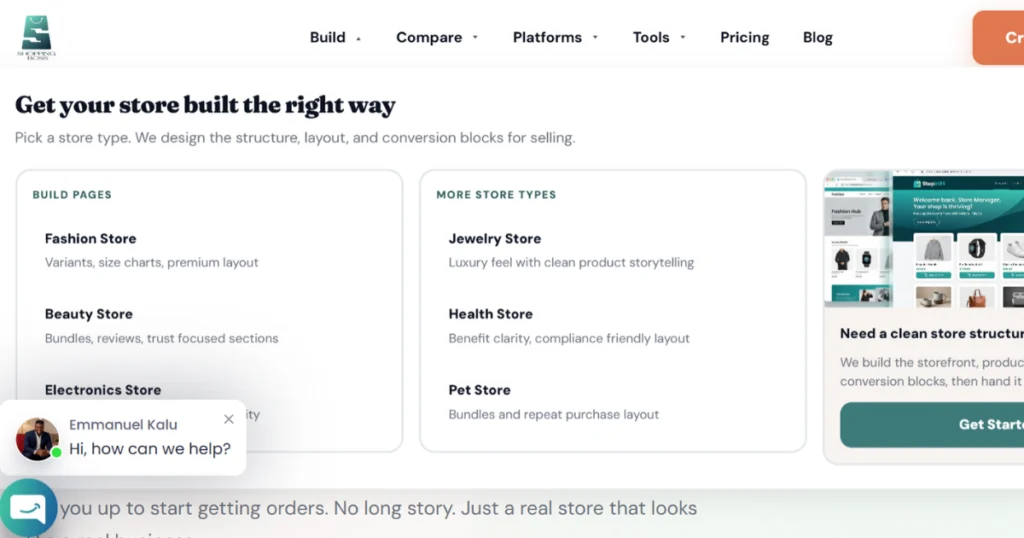
Starting a store on a budget is absolutely doable, but it is much easier when you have the right support behind you. ShopinBos is an e-commerce enablement platform built to help sellers anywhere go from idea to live store without the confusion or the unnecessary cost.
Whether you are trying to build an e-commerce store from scratch, migrate from a marketplace to your own storefront, or simply make your existing store work harder, ShopinBos brings the tools, guidance, and infrastructure to make that happen.
Think of it less as a platform and more as a partner that grows with you.
Frequently Asked Questions
Yes, several free online store builders let you set up a basic store. However, free plans often come with limitations such as transaction fees, branded domain names, or restricted features. For a truly professional store you can own and grow, a small monthly investment (often $10-$30 or less) goes a long way. Think of it as the cost of your shopfront.
You can get started for as little as $50 to $200 in the early months, covering a domain name, a basic platform plan, and your first round of product listings. The variables that drive costs up are usually custom design, paid advertising, and inventory. Start lean, validate your products, then reinvest as your revenue grows.
Not at all. Modern e-commerce platforms are built for non-developers. Drag-and-drop store builders handle the technical heavy lifting, so you focus on your products and customers. You can also partner with an e-commerce enablement platform like ShopinBos that handles your store build from start to finish.