
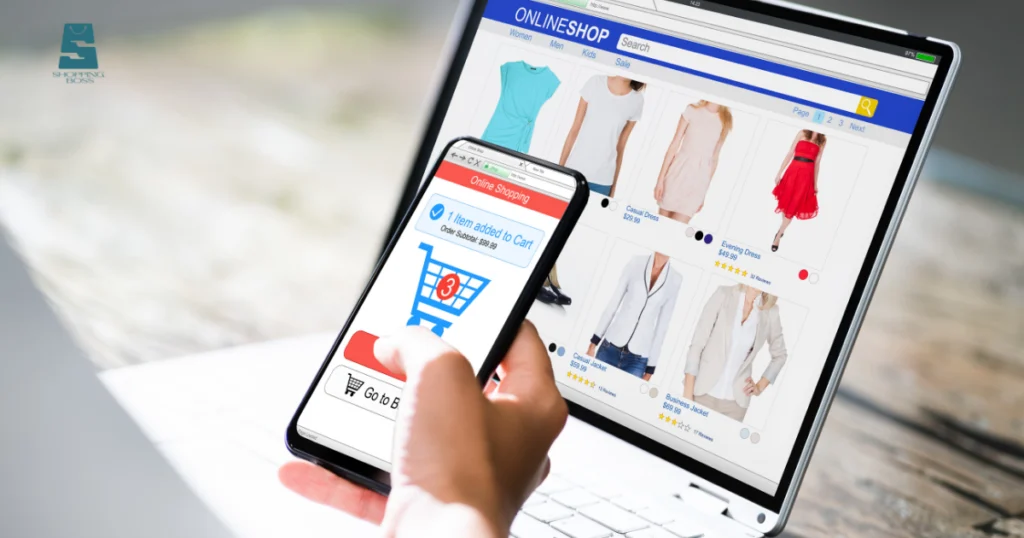
The global ecommerce market continues to grow at an unprecedented rate, yet most aspiring sellers never make their first sale. Ecommerce enablement bridges the gap between wanting to sell online and actually running a profitable store. It’s the comprehensive support system that provides tools, guidance, and resources needed to launch and scale an online business successfully.
What Is Ecommerce Enablement?
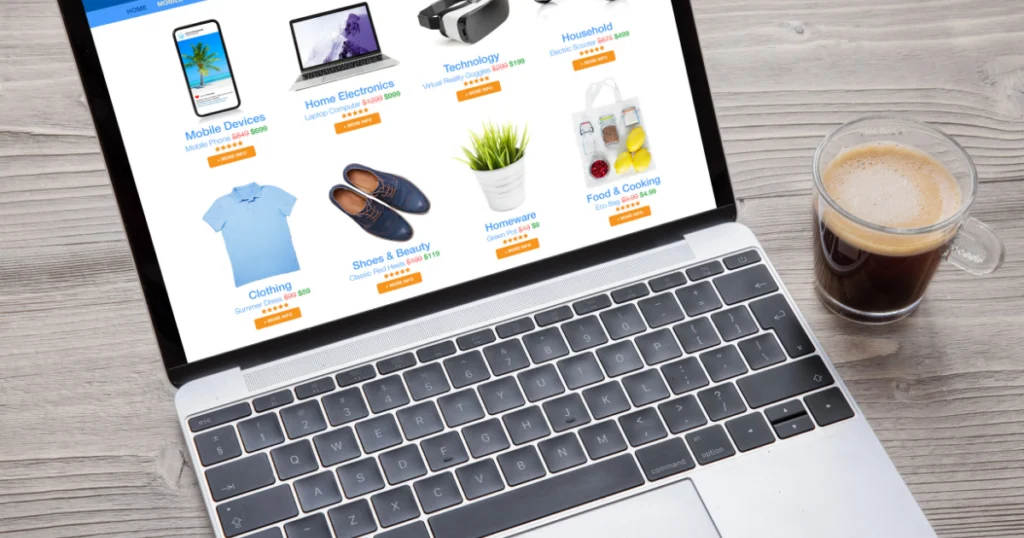
Ecommerce enablement is the end-to-end support system that helps individuals and businesses sell products online successfully. It encompasses the technology, processes, supplier relationships, and strategic guidance needed to operate an ecommerce business.
Unlike traditional ecommerce platforms that simply provide website-building tools, ecommerce enablement platforms address the complete seller journey. This includes product discovery, supplier connections, logistics coordination, store setup, and ongoing operational support.
The core components of ecommerce enablement include:
- Product sourcing and discovery tools
- Verified supplier networks and relationships
- Multi-channel selling capabilities
- Logistics and fulfillment visibility
- Inventory management systems
- Customer acquisition strategies
- Order processing automation
- Performance analytics and optimization
Importance of Ecommerce Enablement in the Current Digital Age
The digital landscape has transformed how businesses operate and how customers shop. Ecommerce enablement has become essential for businesses looking to have a strong online presence and thrive.
Ecommerce enablement can:
- Reduce complexity and uncertainty
- Provides competitive advantages
- Enables resource efficiency
- Supports sustainable growth
- Minimizes financial risks
Strategies for Successful Ecommerce Enablement

Implementing the right strategies separates successful online stores from those that struggle to gain traction. These proven approaches form the foundation of effective ecommerce enablement.
Design a User-Friendly Website
A user-friendly website is essential for any ecommerce business. The website should be easy to navigate, making product discovery easy, and checkout seamless. Clean layouts, fast loading speeds, mobile responsiveness, and clear calls-to-action all contribute to positive user experiences that convert browsers into buyers.
Offer Secured Payment Options
Payment security isn’t negotiable in modern ecommerce. Customers need confidence that their financial information is protected. SSL certificates, PCI compliance, and trusted payment gateways like PayPal, Stripe, or local processors build the trust necessary for conversions.
Provide Excellent Customer Support
Customer support quality differentiates memorable brands from forgettable transactions. Quick response times, helpful solutions, and friendly communication turn one-time buyers into loyal customers who refer others.
Implement Multiple Shipping Options
Shipping flexibility influences purchase decisions significantly. Some customers prioritize speed, others prioritize cost, and many fall somewhere in between. Offering express, standard, and economy shipping options accommodates different preferences and budgets.
Use Data Analytics to Make Informed Decisions
Review analytics regularly to identify trends and opportunities. Which marketing channels deliver the best ROI? Which products have high views but low conversions? Answering these questions with data enables optimization that continuously improves performance and profitability.
Leverage Social Media to Reach Potential Customers
Develop consistent social presence showcasing products, sharing customer stories, and providing value beyond selling. Use platform-specific features like Instagram Shopping, TikTok Shop, and Facebook Marketplace to enable direct purchases. Engage authentically with comments and messages to build community around your brand.
Essential Tools and Software for Ecommerce Enablement

The right tools stack makes ecommerce enablement practical and scalable. These categories represent the essential tools every successful online seller needs.
Ecommerce Platforms
Platforms like Shopify, WooCommerce, BigCommerce, and social commerce channels provide the foundation where products get listed and sold.
Payment Gateways
Solutions like PayPal, Stripe, Flutterwave, and Paystack process transactions securely while supporting multiple payment methods.
Customer Support Software
Tools like Zendesk, Intercom, Tidio, and LiveChat enable responsive communication across multiple channels.
Order Processing Systems
Platforms like ShipStation, Orderhive, and built-in ecommerce platform tools automate order management from purchase to fulfillment.
Shipping and Fulfillment Solutions
Services like ShipBob, Easyship, and local courier integrations coordinate product delivery and tracking.
Supplier Networks
Platforms like Alibaba, Global Sources, Spocket, and Modalyst connect sellers with verified manufacturers and dropshipping suppliers.
Product Research Platforms
Tools like Google Trends, Jungle Scout, and AliExpress analytics identify trending products with proven market demand.
Each tool serves specific functions within the broader ecommerce enablement ecosystem. The key is choosing solutions that integrate well together, creating seamless workflows rather than disconnected systems requiring manual coordination.
Benefits of Ecommerce Enablement
There are several benefits of ecommerce enablement for aspiring sellers and growing businesses and they include:
Faster time to revenue: Comprehensive enablement compresses the typical 3-6 month research phase into 2-4 weeks by eliminating decision paralysis and providing clear execution frameworks.
Reduced financial risk: Validated product selection, vetted suppliers, and proven strategies minimize expensive trial-and-error that exhausts limited budgets before businesses gain traction.
Access to enterprise resources: Enablement platforms democratize capabilities that individual sellers couldn’t afford—market research, supplier relationships, logistics networks, and technology infrastructure.
Continuous adaptation support: Markets evolve constantly, and enablement includes ongoing education and tools for adapting to platform changes, customer behavior shifts, and emerging opportunities.
How Shopping Boss Enables Your Ecommerce Success
We address the fundamental challenge every new seller faces such as knowing what to sell, where to sell it, how to execute, and who to target, as a result we transform the overwhelming complexity of launching an online business into manageable steps with clear frameworks and proven strategies.
Ready to transform ecommerce interest into actual income? Visit Shopinbos to access the product discovery, supplier connections, and execution guidance that turn aspiring sellers into successful store owners.
Start Your Ecommerce Journey With Proper Enablement
The opportunity to build successful online businesses has never been more accessible, but accessibility doesn’t guarantee success. The difference between trying and succeeding often comes down to proper enablement.
Aspiring sellers don’t need to figure everything out alone or make expensive mistakes learning what works. What’s needed is comprehensive ecommerce enablement that provides clear pathways, connects essential resources, and supports execution at every step.
Shopping Boss exists specifically for this purpose—transforming ecommerce interest into income by providing the decision and execution infrastructure that first-time sellers need.
Frequently Asked Questions
What does ecommerce enablement mean?
Ecommerce enablement refers to the comprehensive support system—including tools, guidance, supplier access, and infrastructure—that helps individuals successfully launch and operate online stores.
How is ecommerce enablement different from ecommerce platforms?
Ecommerce platforms like Woocommerce provide technical tools to build online stores. Ecommerce enablement platforms like Shopinbos provide decision-making frameworks, supplier networks, product discovery, logistics visibility, and execution guidance that help sellers know what to sell, where to sell, and how to succeed—not just the tools to build websites.
Can Shopping Boss help retailers sell online?
Yes, Shopping Boss specifically helps first-time ecommerce sellers, social sellers on WhatsApp and Instagram, aspiring dropshippers and resellers, and small business owners transition into online selling. The platform provides product discovery, supplier access, logistics visibility, and store-building.
What are the main components of ecommerce enablement?
Key components include product discovery and validation tools, verified supplier networks, multi-channel selling capabilities, logistics and fulfillment coordination, inventory management systems, marketing automation, order processing workflows, and performance analytics. Together, these create a complete operating system for online selling.