
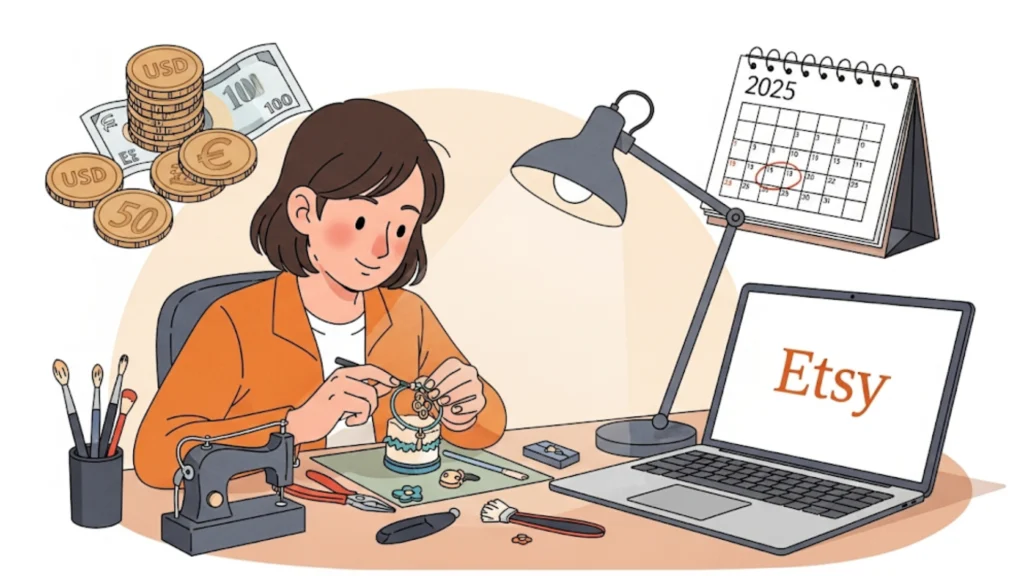
If you’re considering starting an online business in 2026, you’ve probably wondered about selling on Etsy and whether it’s still a viable option. With millions of active buyers and sellers, Etsy remains one of the most popular marketplaces for handmade, vintage, and unique items. But is it worth your time and effort in today’s competitive landscape?
Is Selling on Etsy Worth It in 2026: Key Statistics You Need to Know
Understanding the reality of selling on Etsy today means looking at the numbers that shape this marketplace. The platform has experienced tremendous growth, but this expansion brings both opportunities and challenges for new sellers entering the space.
Growing Buyer Base with Intense Seller Competition
Selling on Etsy gives you access to approximately 96 million active buyers worldwide, representing steady growth from previous years. This massive customer base actively searches for unique, personalized, and handmade items that can’t be found on traditional retail platforms like Amazon or in local stores.
However, this opportunity is not without its pros and cons.
Pros: Etsy’s huge buyer base means exposure to a global audience, often without the need for expensive advertising campaigns. Niche products and creative craftsmanship can find loyal customers more easily than on mainstream e-commerce platforms.
Cons: The crowded marketplace makes it challenging to stand out, especially in saturated categories (jewelry, home decor etc….). New sellers may find it difficult to gain traction without investing in marketing, SEO optimization, or paid Etsy ads, which can reduce profit margins.
Platform Changes and Algorithm Updates
Recent years have brought updates to how products rank in search results, with Etsy prioritizing listings based on quality scores, customer experience, and relevance rather than just keyword matching.
Pros: The algorithm rewards high-quality listings and excellent customer service, giving dedicated sellers a chance to rise above competitors through consistent effort. Those who adapt quickly can benefit from improved visibility and long-term growth.
Cons: Constant updates can feel unpredictable and burdensome, especially for smaller shops with limited time or resources. Sellers may experience sudden drops in visibility due to algorithm changes, forcing them to continually re-strategize and reinvest in their storefronts.
Understanding Etsy Fees

Before committing to selling on Etsy, it’s crucial to understand the complete fee structure that will impact your profit margins. Many new sellers underestimate these costs and find their earnings much lower than expected.
Breaking Down Etsy’s Fee Structure
Selling on Etsy involves multiple fees that can quickly add up. You’ll pay a $15 one-time shop setup fee, $0.20 per listing (which is renewed every 4 months), and a 6.5% transaction fee on each sale including shipping costs. Payment processing fees add another 3-4% depending on your location.
Pros: Etsy’s transparent fee structure allows you to forecast expenses, and compared to setting up your own eCommerce site, startup costs are relatively low. Optional tools like Etsy Ads or shipping labels can simplify operations and drive more sales if used strategically.
Cons: Fees can quickly eat into profit margins, especially for lower-priced items or sellers offering free shipping. Additional costs like offsite ads are mandatory if Etsy drives traffic, leaving sellers with less control over marketing expenses. Currency conversion and processing fees can further reduce profits for international transactions.
Hidden Costs and Time Investment
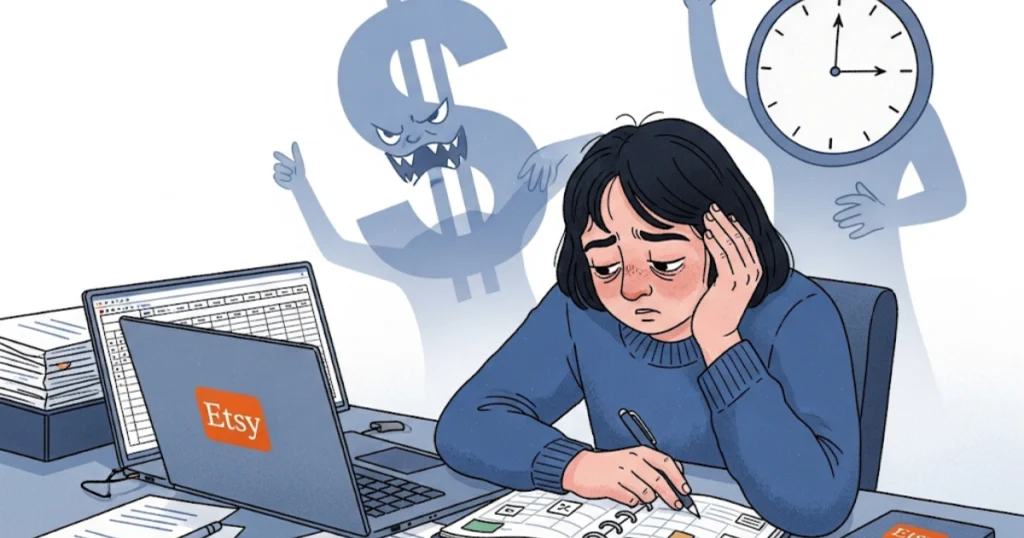
Beyond direct fees, selling on Etsy requires substantial time investment that many beginners don’t anticipate. Successful sellers typically spend 15-20 hours weekly on product photography, listing optimization, customer service, and order fulfillment. During peak seasons, this time commitment can double.
Pros: Learning the ins and outs of running an Etsy shop provides valuable experience in eCommerce, marketing, and operations. Time invested in photography, branding, and customer service can elevate your shop above competitors and foster long-term customer loyalty.

Cons: The unpaid labor hours required can be overwhelming, especially for side hustlers balancing other commitments. Hidden costs like packaging, storage, and seasonal workload spikes can cause financial and emotional stress, leading some sellers to underestimate the true demands of running an Etsy business.
Advantages of Selling on Etsy in 2026
Despite the challenges, selling on Etsy offers several compelling advantages, especially for new eCommerce entrepreneurs looking to test their business ideas without major upfront investments.
Built-in Traffic and Customer Base
The biggest advantage of selling on Etsy is access to millions of buyers who are specifically looking for unique, handmade, or vintage items. Unlike starting your own website where you need to build traffic from scratch, Etsy provides immediate access to potential customers who are ready to buy.
Etsy’s brand recognition and trust factor also work in your favor. Customers feel confident buying from Etsy sellers because of the platform’s buyer protection policies and established reputation. This trust can be especially valuable for new sellers who haven’t yet built their own brand recognition.
Low Barrier to Entry and Quick Setup
Selling on Etsy requires minimal upfront investment compared to other eCommerce options. You can start with just a few product photos, basic descriptions, and the $0.20 listing fee. There’s no monthly subscription, no website development costs, and no complex technical setup required.
This low barrier makes Etsy perfect for testing product ideas, validating market demand, and learning eCommerce basics without significant financial risk.
Built-in Marketing Tools and Resources
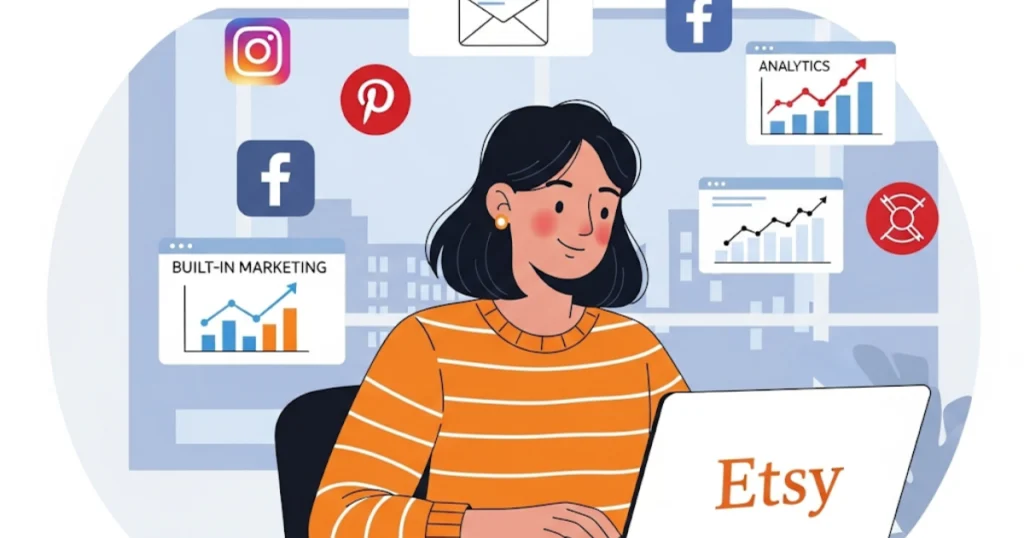
Selling on Etsy provides access to various promotional tools including Etsy Ads, discount codes, sales events, and social media integrations. The platform also invests heavily in external marketing through TV commercials, social media campaigns, and search engine optimization, driving additional traffic to the marketplace.
Etsy offers extensive educational resources through the Seller Handbook, webinars, and community forums where experienced sellers share insights and strategies. This support system can be invaluable for beginners learning how to optimize listings, improve product photography, and develop effective pricing strategies.
Disadvantages and Limitations to Consider
While selling on Etsy offers many benefits, it’s important to understand the platform’s limitations and how they might impact your long-term business goals.
Limited Brand Control and Platform Dependency
When selling on Etsy, you’re essentially renting space in someone else’s marketplace. Etsy can change policies, fees, or algorithm factors at any time, potentially affecting your business overnight. You also have limited control over the customer experience, branding options, and data ownership.
Your customer relationships primarily belong to Etsy, making it difficult to build a direct connection with buyers for future marketing. This platform dependency can be risky for businesses looking to build long-term value and customer loyalty.
Branding and Customization Restrictions
Selling on Etsy means working within the platform’s design and functionality constraints. While you can customize your shop to some extent, you can’t create the unique branded experience that’s possible with your own website. This limitation can be particularly challenging for businesses looking to build strong brand recognition.
The Etsy marketplace format also means your products appear alongside competitors, making it harder to create a distinctive shopping experience that sets you apart from similar sellers.
Increasing Competition and Price Pressure
Selling on Etsy means competing with millions of other sellers, including some who may be selling mass-produced items at lower prices despite platform rules against reselling. This competition often leads to price wars that can erode profit margins, especially in saturated categories.
The platform’s search results favor established sellers with strong sales histories and positive reviews, making it challenging for new sellers to gain initial visibility.
Ready to explore beyond Etsy? At Shopinbos, we help new sellers understand all their platform options and develop strategies that work across multiple channels. Whether you’re starting on Etsy or considering other marketplaces, we provide the guidance you need to build a sustainable online business.
Is Etsy Right for Your Business in 2026?
Determining whether selling on Etsy is worth it in 2026 depends on your specific business goals, product type, and growth expectations. The platform works best for certain types of products and seller situations.
Selling on Etsy makes sense if you’re creating handmade items, vintage products, or craft supplies. It’s also ideal for testing new product ideas, learning eCommerce basics, or generating supplemental income without major time commitments. The platform particularly suits sellers who enjoy the creative aspects of their business more than the technical marketing challenges.
However, if your goal is building a scalable business with strong brand recognition and customer relationships, you might want to view Etsy as a starting point rather than a long-term solution. Many successful sellers use Etsy to validate their products and build initial sales before expanding to their own websites or other platforms.
FAQs
How much money can you realistically make selling on Etsy?
Earnings from selling on Etsy vary significantly based on product type, pricing, and effort invested. Many sellers make $100-500 per month as a side income, while top sellers can earn six figures annually. Success depends on product demand, pricing strategy, and consistent effort in optimization and customer service.
What products sell best on Etsy in 2026?
The most successful categories for selling on Etsy include handmade jewelry, personalized gifts, home decor, digital downloads, and craft supplies. Products that offer customization, or solve specific problems tend to perform well on the platform.
How long does it take to make your first sale on Etsy?
Timeline for first sales when selling on Etsy varies widely, but most sellers see their first sale within 1-3 months with consistent effort. Success factors include quality product photos, competitive pricing, strong SEO optimization, and active promotion of your listings both on and off the platform.
Should I start with Etsy or my own website?
For beginners, selling on Etsy is often the better starting point because it provides immediate access to buyers and requires less technical knowledge. Once you validate your products and understand your market, you can expand to your own website while maintaining your Etsy presence for continued traffic and sales.