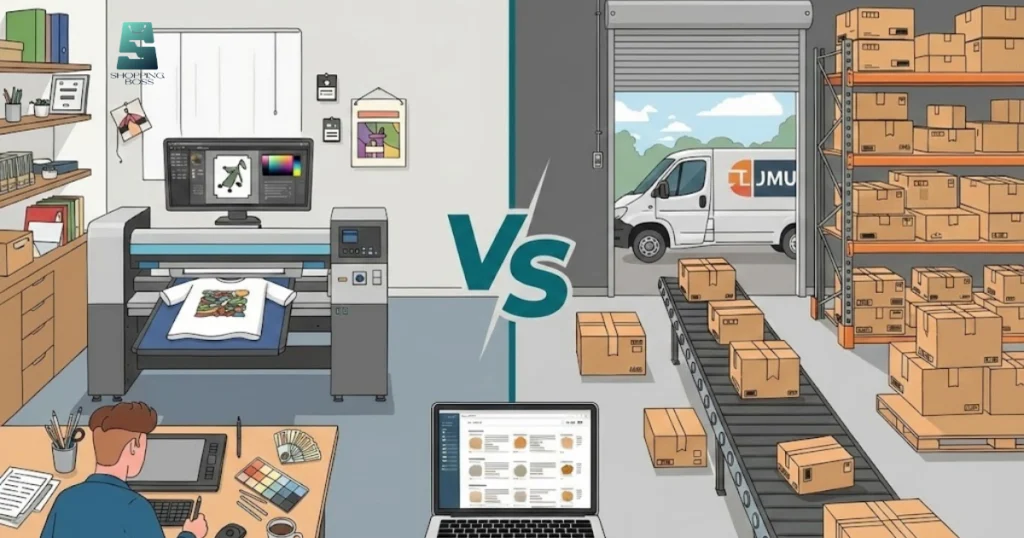
The truth is there’s no universal “best” choice—only what works best for your specific situation, skills, and goals. Some entrepreneurs thrive with dropshipping’s product variety, while others build empires with print on demand’s creative freedom. Understanding the print on demand vs dropshipping debate thoroughly helps you make an informed decision that aligns with your strengths and market opportunities.
This guide breaks down everything you need to know about both models, showing you the real advantages, honest drawbacks, and practical considerations that matter in 2026’s competitive ecommerce landscape.
What is Dropshipping?
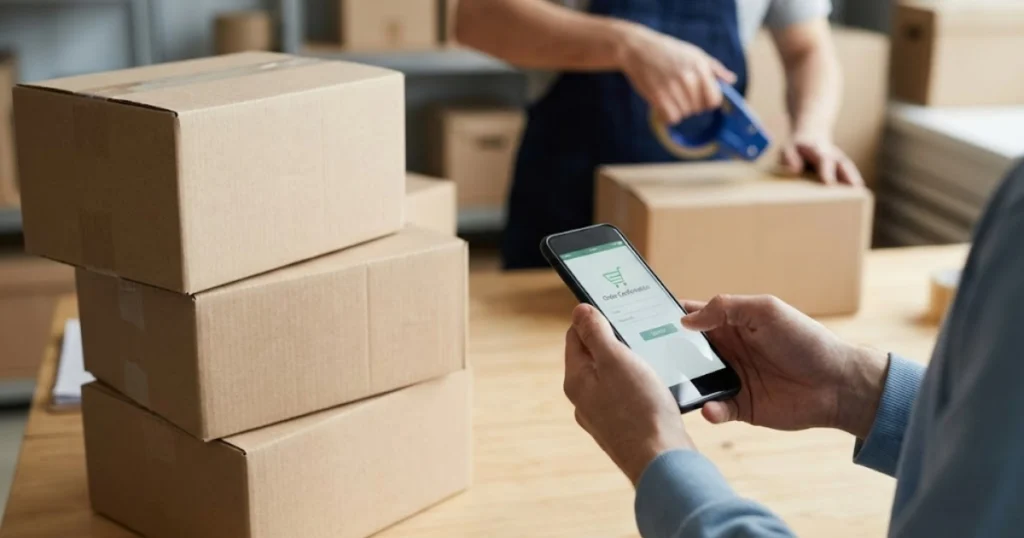
Dropshipping is a fulfillment model where you sell products from third-party suppliers without physically stocking them. When customers order from your online store, you forward those orders to your supplier, who then ships products directly to your customers.
Many beginners are drawn to learning how to start dropshipping because it eliminates the need for warehouse space and reduces financial risk. If a product doesn’t sell, you haven’t purchased inventory that sits collecting dust.
Pros of Dropshipping
- Low startup costs make dropshipping incredibly accessible. You can launch with just a few hundred dollars covering your domain, website platform, and initial marketing. You only buy items when a customer has bought a product. Platforms like Shopinbos provide seamless access to a load of dropshipping suppliers, making it easy to find one.
- Massive product variety gives you flexibility to test different niches quickly. If yoga mats aren’t selling, you can pivot to kitchen gadgets within days. This agility helps you find profitable low competition products without major financial commitment.
- Flexibility means you can run your dropshipping business from anywhere with internet access. Your suppliers handle fulfillment, so you’re not tied to a physical location or warehouse.
- Scalability happens naturally since suppliers handle increased order volume. Growing from 10 orders daily to 100 becomes easy as you can focus on growth-driving activities like marketing and advertisement.
Cons of Dropshipping
- Lower profit margins represent dropshipping’s biggest challenge. Since suppliers handle fulfillment, they take a larger cut, leaving you with typically 10-30% margins combined with heavy competition.
- Limited quality control creates risk since you never physically handle products. If suppliers send defective items or use poor packaging, your brand reputation suffers even though you didn’t cause the problem.
- Branding difficulty—It’s hard to build a unique brand when you’re often selling identical products available on dozens of other stores.
- Limited inventory control means your business relies entirely on third parties. If your supplier runs out of stock, ships late, or suddenly closes, you’re left scrambling to find alternatives while managing angry customers.
What is Print on Demand?
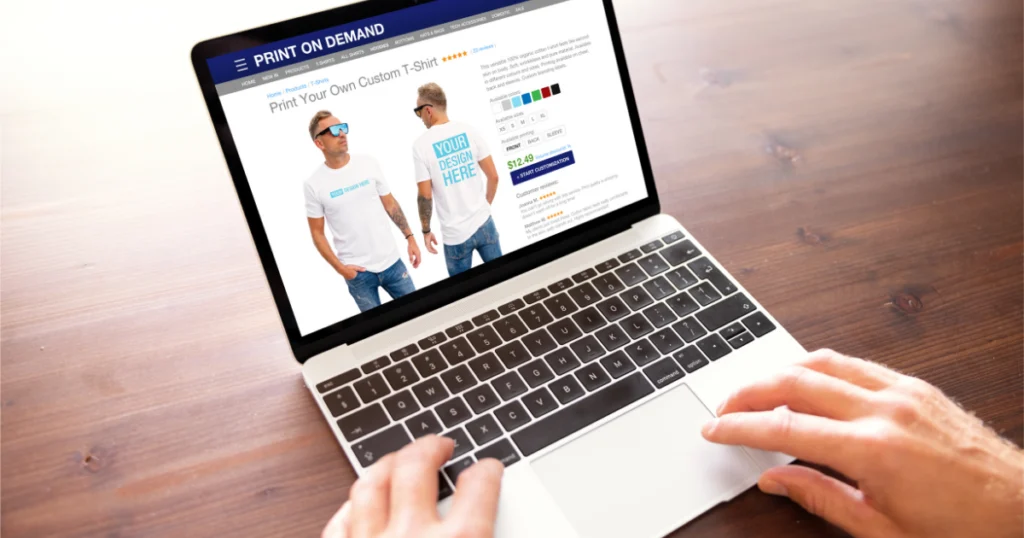
Print on demand (POD) is a specialized fulfillment model where you create custom designs applied to white label products like t-shirts, mugs, phone cases, posters, and hoodies. Your POD partner like printify, printful or Gooten only produces items after customers order them, printing your designs and shipping directly to buyers.
Like dropshipping you don’t hold any inventory. When a customer places an order, the POD supplier prints your design on the products and ships directly to them. The main differences between POD and dropshipping comes from the ability to build a brand identity through customized products.
Pros of Print on Demand
- Creative control lets you build a genuine brand with unique designs that express your vision. Your products become extensions of your artistic or messaging identity that helps you stand out in a competitive e-commerce market.
- No inventory risk means each item is made to order, eliminating the financial risk of unsold stock.
- Higher perceived value allows premium pricing since customers pay for exclusive designs they can’t find elsewhere.
- Brand building potential creates long-term assets. When customers love your designs, they become repeat buyers and brand advocates. You’re building loyalty to YOUR brand, not just selling random products.
- Easier marketing happens when you have unique products. Your designs can go viral on social media, attract niche communities, which can lead to a loyal customer base and word of mouth marketing.
Cons of Print on Demand
- Design may add extra costs and time if you have to hire designers or use templates.
- Limited product range restricts you mainly to printable items—apparel, accessories, home decor, and stationery. You can’t sell electronics, pet supplies, or most other popular ecommerce categories through POD.
- Higher base costs mean POD products typically cost more than dropshipped alternatives. A blank t-shirt plus printing might cost $12-18 versus $5-8 for a dropshipped shirt. Your margins depend on charging premium prices.
- Production time takes longer since each item is custom-made. While dropshippers might ship within 1-2 days, POD orders often take 3-7 days for production before shipping even begins.
- Dependence on suppliers—Like dropshipping your POD providers affect your brand consistency and print quality requiring careful provider selection and testing.
Print on Demand vs Dropshipping: Key Comparisons
Understanding the print on demand vs dropshipping decision requires examining several critical factors that impact your daily operations and long-term success.
Startup Investment: Both models require minimal startup costs compared to traditional retail. Your main and initial expenses will be your e-commerce platform subscription, marketing and advertising. Dropshipping can sometimes be cheaper because you don’t need to hire designers.
Profit Margins: Print on demand generally offers better margins (40-60%) when you successfully position products as premium, custom items. Dropshipping margins typically range 15-30% due to competitive pricing pressures and supplier cuts.
Branding Opportunities: Print on demand lets you create unique products that no one else has, helping you create a recognizable and loyal customer base. Dropshipping makes branding harder since you’re selling generic products, though creative marketing and excellent service can still build brand loyalty.
Product Uniqueness: With Print on demand, your designs are exclusive to your store. Dropshipping typically involves products customers can find elsewhere, often at similar prices.
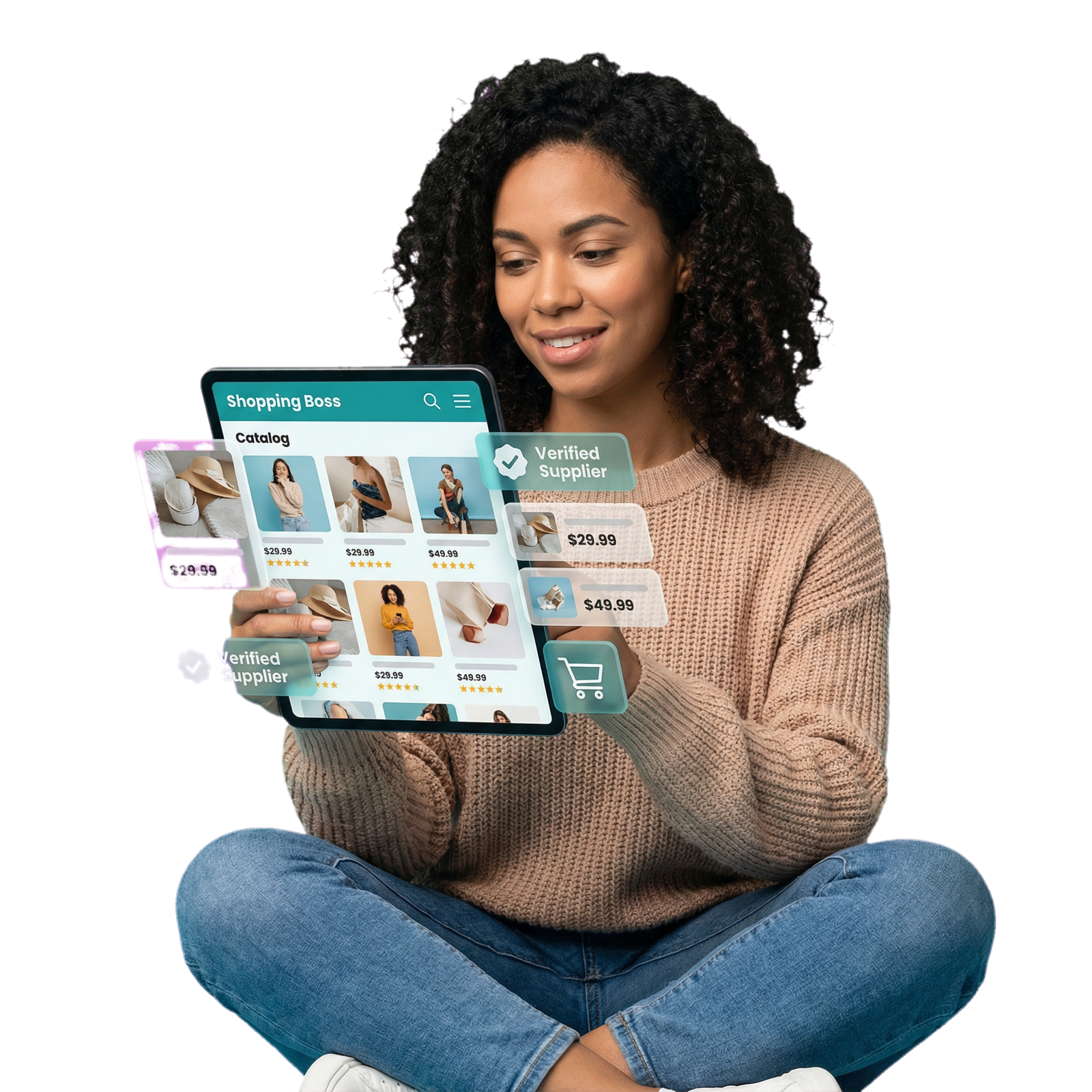
Marketing Difficulty: Print on demand with compelling designs attracts organic social sharing and niche community engagement. Generic dropshipped products require more aggressive paid advertising.
Scalability: Both scale well operationally since suppliers handle fulfillment. However, dropshipping offers easier product expansion while print on demand demands continuous design creation for growth.
For a deeper dive into starting your online store with either model, check our comprehensive guide on starting an online store that covers platform selection, supplier connections, and launch strategies.
2026 Ecommerce Trends to Watch
The ecommerce landscape continues to evolve rapidly, and understanding current trends helps you position your business for success whether you choose print on demand or dropshipping.
Sustainability messaging: Both POD and dropshipping businesses highlighting eco-friendly materials, carbon-neutral shipping, or charitable partnerships see increased conversion rates. POD providers increasingly offer organic cotton and recycled materials, while eco-conscious dropshippers curate sustainable product lines.
AI-powered personalization is transforming how customers discover products. Smart product recommendations, personalized email campaigns, and dynamic pricing optimize the shopping experience. Tools like ChatGPT help generate product descriptions, answer customer questions, and create marketing content at scale.
Social commerce integration and creator-led brands makes selling directly on Instagram, TikTok, and Facebook increasingly important. Many influencers, artists and creators are increasingly using POD to launch their own merchandise turning fans into loyal customers. This approach gives them total creative control and personal branding that allows them to build a connection with their audience.
This trend continues to grow in 2026, proving that POD isn’t just a model for entrepreneurs only, but also a powerful platform for creators looking to monetize their influence.
Which Model is Right for Your Ecommerce Business?
Deciding between print on demand vs dropshipping depends on your unique situation, skills, interests, and goals. Here’s how to evaluate what fits you best.
Choose print on demand if you:
- Have design skills or budget to hire designers
- Want to build a unique brand with creative identity
- Prefer selling to passionate niche communities
- Enjoy creating visual content and storytelling
- Don’t mind longer production times
Choose dropshipping if you:
- Want to get started and test multiple niches quickly
- Have strong marketing and sales skills
- Can compete on price or find unique angles
- Want faster order fulfillment times
- Don’t have design experience or interest
Choosing the Right Model for Your Online Store in 2026
In 2026, both print on demand and dropshipping are great ways to tap into the growing ecommerce opportunities. Whether you pursue print on demand’s creative satisfaction or dropshipping’s product flexibility, ensure that your choice aligns with your strengths and goals to maximize your chances of success.
If you are yet to launch your ecommerce store or are looking for a seamless guide on how to source for suppliers, Shopinbos makes it easy with a curated list of reliable suppliers to choose from.
FAQs: Print on Demand Vs. Dropshipping
Is print on demand the same as dropshipping?
No, print on demand and dropshipping are both e-commerce fulfillment methods where you don’t hold inventory, but they operate differently.
POD lets you sell products with customized designs, while dropshipping lets you sell pre-designed products from suppliers.
Can you combine both print on demand and dropshipping in the same store?
Yes, as long as your e-commerce platform supports it. Many successful stores combine both models, offering custom POD designs alongside complementary dropshipped products. Just ensure your website clearly communicates different shipping times if POD items take longer to produce.
Which model is more profitable between print on demand and dropshipping?
Both print on demand and dropshipping are profitable e-commerce models. Your profitability depends more on your niche selection, product choices, marketing effectiveness and customer service than the model itself.
Do I need design experience to succeed with print on demand?
Design skills help tremendously but aren’t absolutely required. You can hire freelance designers on Fiverr or Upwork for $10-50 per design, use design tools like Canva with templates, or purchase design licenses from creative marketplaces. However, understanding what designs resonate with your target audience remains critical. Some successful POD entrepreneurs outsource all design work while focusing on marketing, audience building, and product curation.
Which e-commerce model is easier for complete beginners?
Dropshipping generally has a gentler learning curve since you’re selecting existing products rather than creating new designs. You can launch faster and test profitability quickly without creative skills. However, print on demand offers clearer differentiation from competitors, making marketing easier in some ways. If you have any creative inclination, POD might actually feel more natural despite the design requirement. Try both with small test stores to see which fits your working style and interests better.