
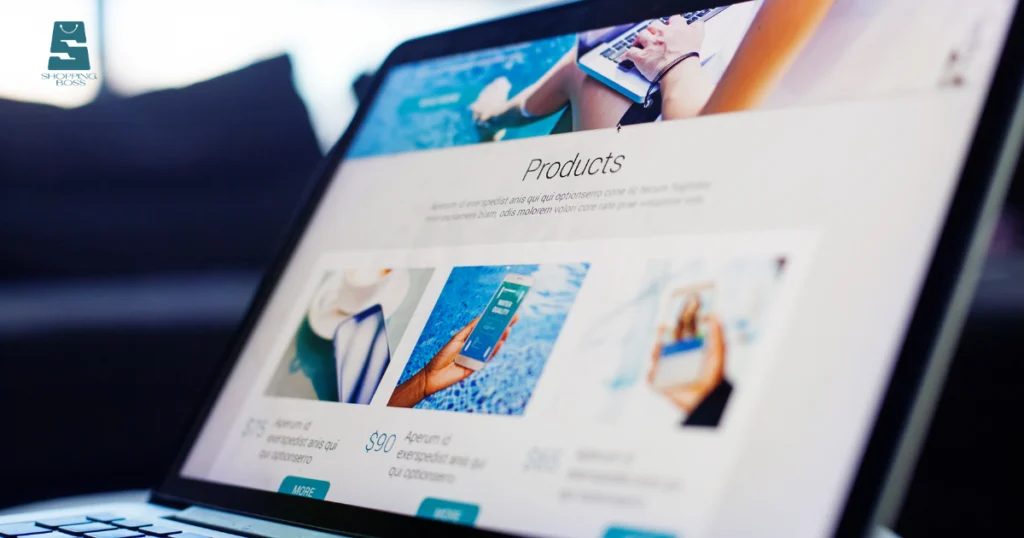
The connection between online store design and marketing goes deeper than aesthetics alone, because every element of your ecommerce online store either supports or undermines your marketing goals.
When your navigation is confusing, your carefully crafted ad campaigns bring traffic that immediately bounces away, and when your checkout process is complicated, your email marketing efforts result in abandoned carts rather than completed purchases.
Understanding how to build an online store that serves as a powerful marketing tool requires thinking beyond pretty pictures and considering how design influences customer behavior at every touchpoint.
The Importance of Online Store Design for Marketing Success
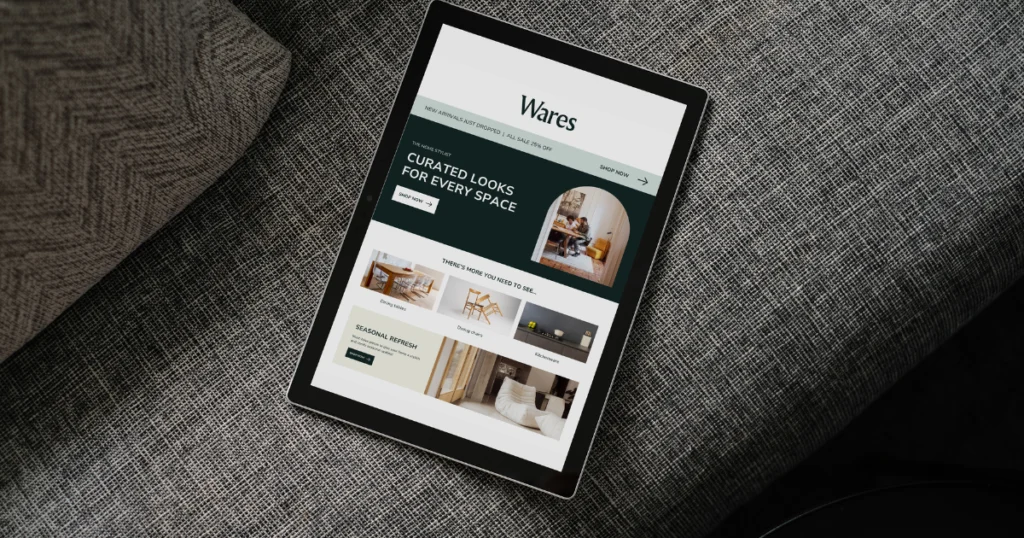
When you create an ecommerce website, you’re building the central hub where all your marketing efforts will eventually lead potential customers, which makes the design decisions you make today incredibly important for your business growth tomorrow. Research shows that visitors form opinions about your store within milliseconds of landing on your page, and an intuitive user interface and user experience can increase conversion rates by 200%. This means that before your social media campaigns, email marketing, or paid ads can work their magic, your online store design needs to be ready to convert those visitors into buyers.
Essential Design Elements That Amplify Your Marketing
Your online store design is built on several critical elements that work together to create a shopping experience that converts visitors into loyal customers.
Mobile-First Design
Today’s shoppers are increasingly browsing and buying from their phones, with more than 50% of all online traffic now coming over mobile devices, which makes mobile optimization absolutely non-negotiable for any serious ecommerce business. Your site templates need to look stunning and function flawlessly whether someone visits from a desktop computer during their lunch break or from their smartphone while standing in line at the coffee shop.
This mobile-first approach isn’t just about responsive design; it involves rethinking your entire layout to ensure buttons are easy to tap, text is readable without zooming, and images load quickly even on slower connections.
Visual Storytelling Through Product Presentation
Since online shoppers can’t physically touch your products, your images and descriptions need to work overtime to bridge that sensory gap and build confidence in your offerings.
Consider incorporating multiple high-resolution images from different angles, zoom functionality that lets customers examine details, and even lifestyle photos that help them envision how your products fit into their lives.
Ease of Navigation
The path from landing on your homepage to completing a purchase should feel smooth and effortless, because if customers can’t find what they’re looking for, they can’t buy it. Intuitive navigation powered by clear categories, robust search functionality, and smart filtering options ensures that every visitor can quickly locate exactly what they need.
Think about how Amazon makes finding products effortless through logical organization and helpful filters, that same principle applies whether you’re selling eight products or eight hundred.
Trust Signals That Convert Browsers into Buyers
Building confidence is absolutely crucial in ecommerce, especially for first-time visitors who are naturally hesitant about sharing their payment information with an unfamiliar brand. Trust signals are visual cues and statements that reassure visitors your store is legitimate, their data is secure, and their purchase is protected. Security badges, customer reviews prominently displayed on product pages, clear return policies, and visible contact information all work together to reduce purchase anxiety and increase conversion rates.
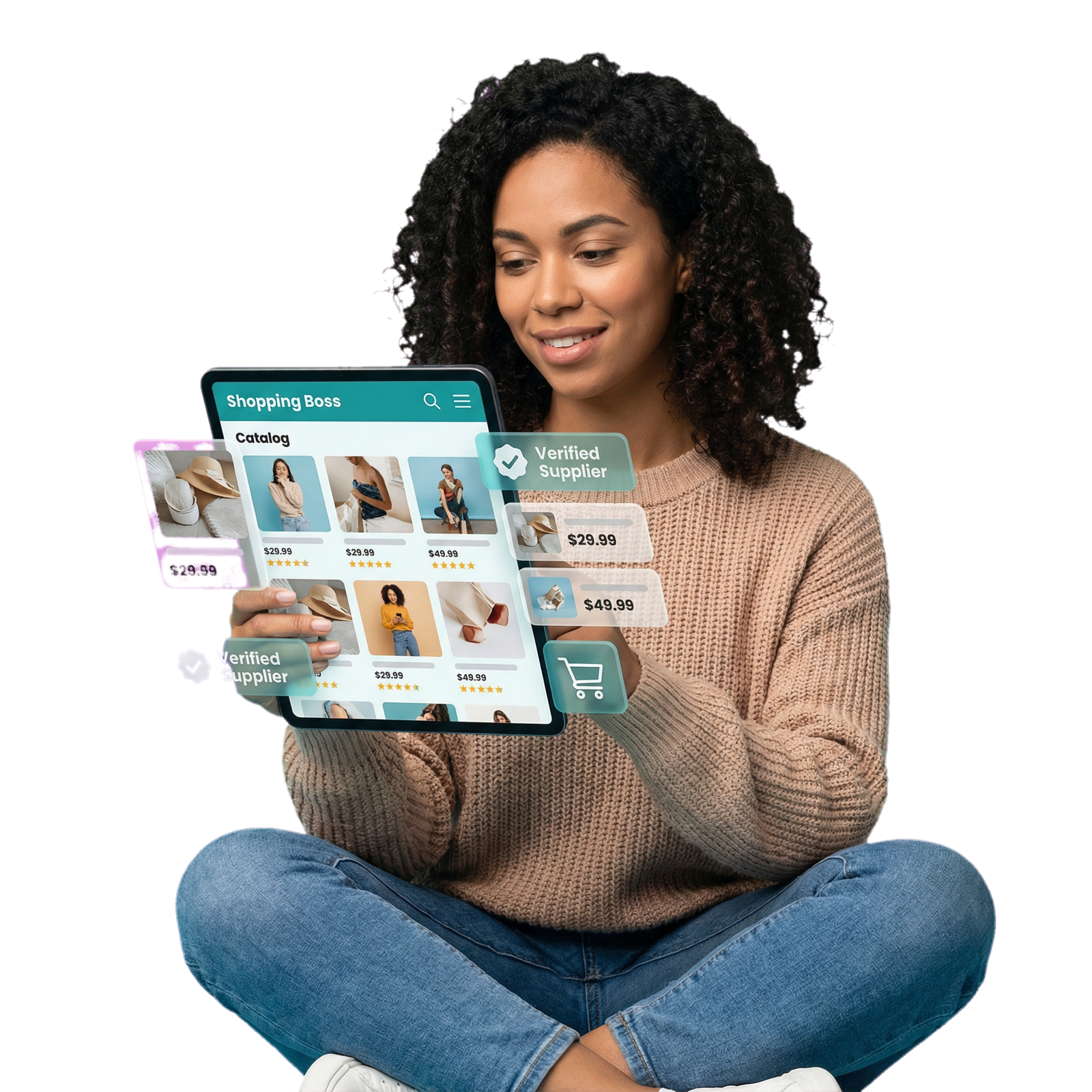
How Design Choices Impact Your Marketing ROI
Speed Matters More Than You Think
Page load speed affects not only user experience but also how effectively your marketing budget translates into actual sales, since slow-loading pages frustrate visitors and cause them to abandon your site before they even see your products.
Fast-loading ecommerce sites keep shoppers engaged, reduce bounce rates, and ensure that the money you spend on marketing actually has a chance to generate returns.
Consistency Across All Customer Touchpoints
Your brand experience should feel cohesive whether someone discovers you through Instagram, clicks on a Google ad, or receives your marketing email, because consistency builds recognition and trust over time.
When your site templates, color schemes, typography, and messaging align with your social media presence and other marketing materials, you create a seamless brand experience that makes customers feel like they’re in the right place.
Strategic Calls-to-Action
Every page on your ecommerce website should guide visitors toward the next logical step in their journey, whether that’s adding a product to their cart, signing up for your newsletter, or exploring related items.
Clear, compelling calls-to-action that use action-oriented language and stand out visually help move customers through your sales funnel more effectively, which directly improves the performance of all your marketing initiatives.
Building Your Store for Long-Term Marketing Success

The most successful online sellers approach their store design strategically, considering how each element will support their marketing goals both now and as their business grows. Before launching, use a comprehensive website launch checklist to ensure every design element is optimized for conversion, from your homepage hero image to your checkout confirmation page.
Your online store design needs to be ready to handle increased traffic from campaigns, showcase seasonal promotions effectively, and adapt to changing customer expectations. When you build your store with marketing in mind from the beginning, you create a foundation that makes every subsequent marketing effort more effective and more profitable.
Making Your Design Work Harder for Your Marketing
The beauty of strategic online store design is that improvements compound over time, because each optimization you make enhances the effectiveness of all your marketing activities. When you streamline your checkout process, every marketing channel that brings traffic to your site benefits from higher conversion rates, and when you improve your product pages, every social media post that links to those pages becomes more likely to generate sales. This multiplier effect means that investing in thoughtful design early on pays across every aspect of your marketing strategy.
Success in ecommerce requires continuous refinement based on real data about how customers interact with your store, which means regularly analyzing metrics like bounce rates, time on page, and cart abandonment rates to identify opportunities for improvement. Testing different layouts, experimenting with new features, and staying current with design trends ensures that your store continues to perform well as customer expectations evolve and new marketing channels emerge.
At Shopping boss, we’ve helped online sellers build stores that turn visitors into customers by combining smart design with proven marketing principles.
If you’re ready to create your store with a platform that prioritizes both design and conversion, explore how our platform can support your journey.
FAQS about Online Store Design
The cost of designing an ecommerce website varies widely depending on your approach and requirements. Many new online sellers start with affordable template-based solutions that offer professional site templates and can always upgrade to more sophisticated designs as their business grows and their needs become more specific.
When you build your store, prioritize features that directly impact customer experience and conversion rates, including mobile-responsive design, fast loading speeds, intuitive navigation, high-quality product images, clear CTAs, and so on. These core elements form the foundation of how to design an online store website that converts visitors into customers and supports your broader marketing goals.
You can measure your online store design’s effectiveness by tracking key metrics like conversion rate (typically 2-4% for ecommerce sites), bounce rate, average session duration, cart abandonment rate, and page load speed through tools like Google Analytics. You can also gather customer feedback through surveys, monitoring where users drop off in your sales funnel, and conducting A/B tests on different design elements helps you understand what’s working and what needs improvement in your ecommerce online store.