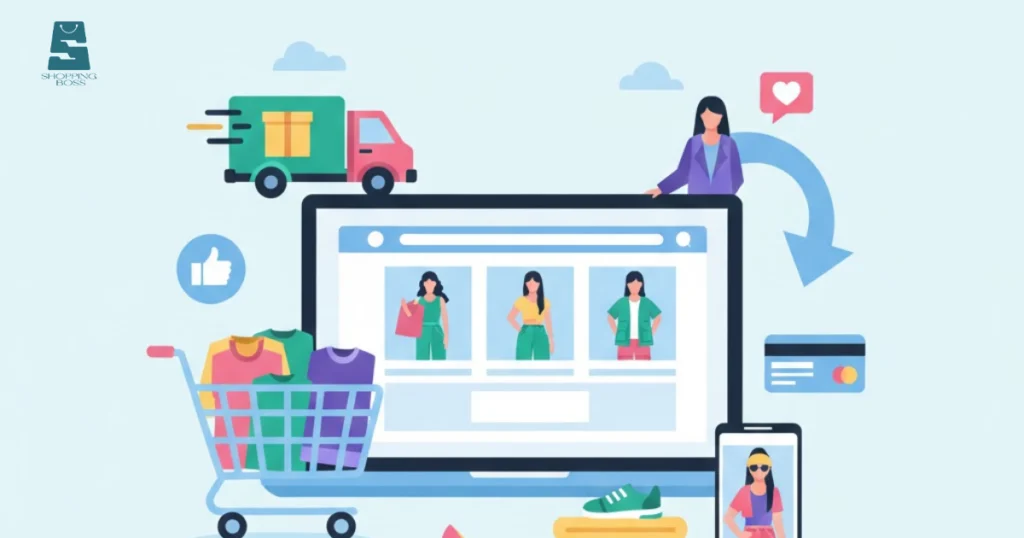
It’s no secret that the fashion e-commerce industry is changing rapidly and the best practices of a few years ago no longer work today. With the industry expected to surpass over $2 trillion by 2030, the big question is, how do you take your share of the market? The answer is dependent on your understanding of the business side of e-commerce fashion.
Scaling a fashion business takes more than passion and big dreams. You need to understand how to run your online fashion store effectively, especially if you don’t want to go out of business in your first few years.
In this guide, we will discuss extensively on how to source fashion products, set up your online store and scale your online fashion business effectively.
What is a Fashion Ecommerce Business?
An e-commerce fashion business is any brand that sells fashion products like apparel, accessories, beauty products and so on, online rather than within the four walls of a physical store.
Unlike traditional retail business, an online fashion store relies on digital tools for product sourcing, marketing, payments, and customer interactions which are mostly all handled in one place. Everything, from how products are displayed to how customers place orders and receive their items, happens online.
Key Steps on How to Start a Profitable Online Fashion Business in 2026

Research and Planning Stage
You need to get a solid plan drafted out before you start choosing colors or products. This is the difference between online stores that last and those that fizzle out in their first few years.
Identify Your Niche
In the crowded and competitive fashion industry, it’s important you choose the right niche to set you apart. Niching helps keep your marketing and branding efforts sharp and also gives you something to stand for. While you’d want to choose a niche based on your passion and interests, you should also look at the demands of the fashion market, the niches of your competitors etc. Choose a niche that balances all of these factors.
Define Your Target Audience
Understanding who exactly you serve is vital for narrowing your marketing efforts. To get your ideal audience, take a look at your product and identify who it helps best. It could be GenZs, luxury shoppers, minimalists etc. Ask yourself, who will appreciate using this item more?
Study Your Competitors and The Market
The market and your competition already has information vital to your business success. All you’ve got to do is study. Conduct a thorough analysis to identify patterns, trends that can shape your own approach. You can employ the use of tools like Statista, Sparktoro, Questionpro, Owler etc.
Choose Your Business Model
Your business model decides your method of selling, sourcing and product delivery. There are several models to choose from and they include:
- Print-on-Demand: With this model, you create your own designs and a 3rd-party partner like Printify will print and ship them to customers who order.
- Drop shipping: Drop shipping gives you the opportunity to sell products without needing to keep any stock. You simply list a supplier’s product in your online fashion store, and the supplier ships the product directly to a customer when an order is placed.
- Private label / custom manufacturing: This model lets you source products and sell those products under your own brand name using your specifications and quality standards, despite not being the actual manufacturer.
- Wholesale: This involves buying clothes in large quantities directly from manufacturers and selling them to customers, no personal branding required. Under this model, you handle shipping and return yourself.
- Handmade / Cut and sew: Under this model, you sell clothes designed and produced by you. It involves high quality and unique items but limited quantities.
Take care of the legal side of things
To operate your fashion store legally, you need to follow the rules and regulations in your country. Simple steps like:
- Registration of your business name
- Trademarking your business name
- Setting up of Tax compliance
- Obtaining the necessary permits
- Choosing a business structure
Handling these upfront helps protect your brand, avoid legal issues, and build credibility with customers.
Create your business plan
Write a simple business plan summarizing the following information:
- Executive summary
- Products and services
- Marketing and sales strategy
- Market and competitor analysis
A clear business plan ensures your online fashion business grows strategically and sustainably.
Sourcing and Inventory Management

Sourcing and inventory management determines whether your online shop remains in business or not. Customers won’t return if you deliver late or deliver subpar products. So it’s imperative you get this right from the start.
Understand the Different Sourcing Models
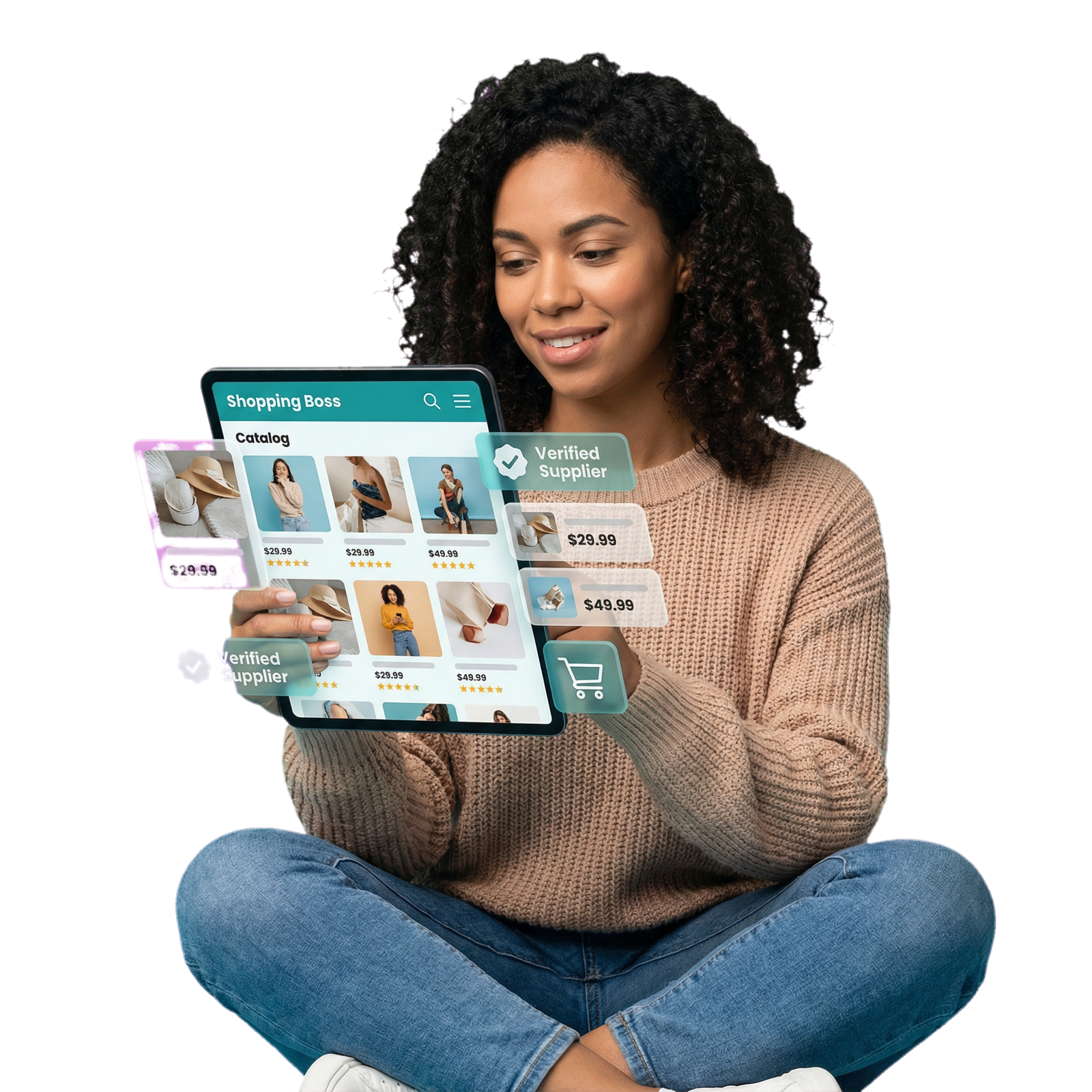
Before sourcing products, it’s important to understand the different ways fashion businesses get inventory. Each model comes with different costs, risks, and levels of control. Choosing the right sourcing model depends on your budget, how quickly you want to launch, and how much control you want over branding and product quality.
Find Reliable Suppliers for Your Fashion Brand
Reliable suppliers are the life’s blood of any successful fashion store. You should evaluate suppliers based on product quality, production timelines, and their ability to scale with your business, not just their pricing. Request samples, check reviews, and test small orders first to avoid risk before long-term commitment.
Apply Effective Inventory Strategies from the Start
Managing inventory properly from day one helps prevent cash flow problems and stock issues. Start by keeping inventory lean and avoiding overstocking.
Tools and Platforms to Simplify Product Sourcing
Using the right tools can make sourcing and inventory management easier. Supplier marketplaces and inventory management software can help automate product uploads, stock tracking, and supplier coordination. These tools save time, reduce errors, and allow you to focus on selling and growth.
Setting Up Your Online Fashion Store

Choose the right ecommerce platform
You want to choose the right e-commerce platform for your online fashion business as it’s an important factor in your store’s success. There are various platforms available like:
- Shopify
- WooCommerce
- BigCommerce
- Wix
- Squarespace
Design your store
Designing your online store isn’t about making it look fancy and colorful, it’s about making it easy to use. Your store should help visitors quickly find what they’re looking for and understand what your brand is about. Simple navigation, clear product pages, high-quality product pictures and a clean layout go a long way in building trust.
Payment and Shipping Setup
Setting up payment and shipping properly is vital to running a hassle free online fashion store. Your store should offer secure, multiple payment options so customers can check out easily without challenges. You should also include clear shipping rates, delivery timelines, and tracking information to reduce cart abandonment and facilitate trust.
Launching Your Fashion Business

Pre-Launch Preparations
- Test Your Website Before Going Live: Check that all links, buttons, and product pages work correctly.
- Confirm Payment and Shipping Setups: Double-check that payment gateways are secure and functioning, and that shipping options and rates are clear.
- Soft Launch with a Small Audience: Collect feedback, spot errors, and tweak your store before a full public launch.
Launch Preparations:
Branding and Marketing Strategy:
- Digital marketing campaigns (social media, paid ads, influencer partnerships)
- Strong brand identity (logo, colors, tone, and messaging)
- Customer engagement (email newsletters, content, community building, user-generated content)
Product and Inventory Readiness
- High-quality product images and descriptions
- Sufficient stock for launch
- Organized inventory tracking for smooth fulfillment
Website and Checkout Optimization
- Mobile-friendly, easy-to-navigate site design
- Clear product categories
- Smooth checkout with multiple payment options
Analytics and Tracking Setup
- Google Analytics or platform tracking integration
- Event tracking for purchases, clicks, and conversions
- Performance monitoring for marketing and inventory decisions
Customer Support Planning
- Clear return and shipping policies
- Response plan for inquiries or complaints
- Tools for live chat, email support, or help desk integration
- FAQs
Scaling and Growing Your Online Fashion Business

Customer Retention
Focus on keeping your existing customers pleased through loyalty programs, excellent service, and personalized offers.
Expand Product Lines and Offerings Strategically
Add new products or categories based on customer demand and market trends, without stretching your resources too thin. This helps increase average order value and attract new buyers.
Track Metrics to Make Data-Driven Decisions
Monitor sales, traffic, and customer behavior to identify what’s working and what isn’t. Data-driven insights help you optimize marketing, inventory, and overall business strategy.
Outsource and Build a Support Team
Delegate tasks like customer service, order fulfillment, and marketing to a reliable team. Outsourcing frees up your time to focus on growth and strategy.
Using Done-For-You Solutions to Scale Faster
Leverage platforms or services that handle store setup, marketing, and operations for you. Done-for-you ecommerce solutions like Shopinbos save time, reduce errors, and help you grow efficiently.
Final Thoughts
Starting and growing an online fashion business in 2026 doesn’t have to be nerve-wracking. By choosing the right products, setting up a smooth, customer-friendly store, and using smart tools to manage operations, you can focus on selling and satisfying your customers.
For first-time sellers or anyone looking to scale without the stress of DIY (doing it yourself), partnering with Shopinbos will make the overall process of starting your online business easier and smoother.
We handle the setup, operations, and marketing support so you can grow your brand faster, smarter, and more profitably.
FAQs About Ecommerce Fashion Business
Platforms like Shopify, BigCommerce, and WooCommerce are really popular for fashion brands. They offer customizable stores, secure payments, and integrations for marketing, inventory, and shipping.
Absolutely but only if done right. Profitability depends on your niche, pricing, marketing, and operational efficiency. Many fashion e-commerce businesses achieve strong margins with repeat customers and smart inventory management.
You want to use a mix of social media marketing, influencer partnerships, paid ads, SEO, and email campaigns. Engaging content and targeted promotions help attract and convert the right audience.