
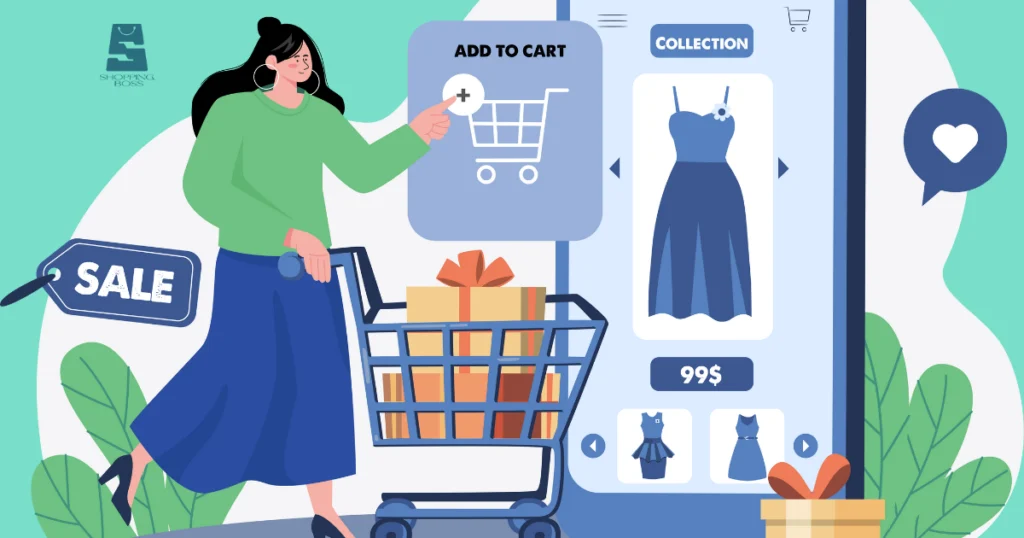
Your store is live and traffic is flowing. Customers are showing buying intent by adding products to their cart. Yet sales remain inconsistent or non-existent. This disconnect between interest and purchase is not accidental. It’s a conversion issue known as cart abandonment, and it affects over 70% of ecommerce stores.
The good news is cart abandonment is measurable, diagnosable, and fixable once you understand the cause.
Learning how to reduce cart abandonment is one of the fastest ways to increase sales without spending more on traffic.
This guide will walk you through what cart abandonment is and the practical steps you can take to reduce it. Let’s dive right in.
What Is Cart Abandonment in Ecommerce
Cart abandonment happens when a customer adds one or more items to their online shopping cart but leaves the website without completing the purchase. In other words, they showed buying intent, but something stopped them at the final moment.
Cart abandonment is extremely common for both small and large e-commerce stores.
Many e-com store owners panic when they see abandoned carts, thinking:
“My product must be bad”
“People don’t trust my store”
“Ecommerce isn’t working for me”
But the truth is cart abandonment doesn’t mean your store is failing. It means there is friction in your checkout experience, and it needs improvement.
When you reduce cart abandonment, you simply convert more of the visitors you already have.
Why Customers Abandon Their Carts
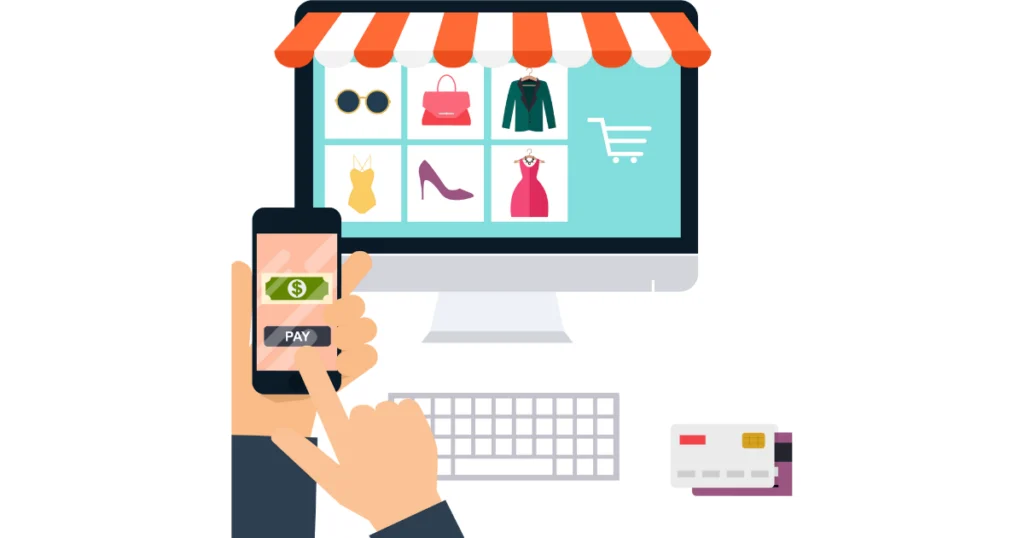
To understand how to reduce cart abandonment, you must first understand why it happens. Most customers abandon carts for predictable reasons.
1. Unexpected Extra Costs
This is the number one cause of shopping cart abandonment. About 70% of cart abandoners abandon carts due to unexpected extra costs.
Customers hate surprises at checkout.
Common hidden costs include:
- Shipping fees
- Taxes
- Handling charges
Transparency in pricing builds trust and helps reduce cart abandonment rate.
2. Complicated or Long Checkout Process
The more effort checkout requires, the more likely shoppers are to quit. Complicated or overly long checkout processes discourage customers and give them a reason to abandon carts.
Checkout friction includes:

- Too many form fields
- Multiple pages to complete payment
- Forced account creation
If checkout feels like a chore, customers abandon their carts.
3. Lack of Trust in a New Store
New ecommerce stores don’t automatically earn trust.
Shoppers may hesitate if they don’t see:
- Customer reviews
- Clear return or refund policies
- Contact information
- Secure checkout indicators
Customers simply need reassurance especially when the store they are patronizing is new.
4. Slow Website or Poor Mobile Experience
Many online shoppers browse and buy on their phones. If your website is slow or hard to use on mobile, cart abandonment increases.
Common issues may include:
- Slow loading checkout pages
- Buttons too small on mobile
- Forms difficult to fill out
Speed and usability matter more than fancy design.
5. Limited Payment Options
If shoppers don’t see their preferred payment method, they may leave even if they want the product.
Offering multiple payment options reduces hesitation and improves checkout completion.
6. No Return Policy
A missing or unclear return policy creates fear. Shoppers want reassurance that they won’t be stuck with a product that doesn’t meet expectations. When there’s no visible return or refund policy at checkout, the perceived risk outweighs the desire to buy, leading to cart abandonment.
7. Card Declines
Card declines are frustrating and embarrassing for shoppers. When a payment fails whether due to temporary issues like bank restrictions or payment gateway errors, many customers assume something is wrong with the store. Without clear guidance or alternative payment options, they leave instead of retrying.
How to Reduce Cart Abandonment
Now let’s talk about solutions, the reason we’re here. To reduce cart abandonment, you don’t need to fix everything at once. Start with the changes that give the biggest results.
1. Be Clear About Pricing From the Start
One of the easiest ways to reduce cart abandonment is pricing transparency at checkout. Here are a few ways to achieve this:
- Show shipping fees early
- Avoid surprise charges
- Clearly explain taxes or additional fees
When shoppers know the total cost upfront, they’re more likely to finish checkout.
2. Simplify the Checkout Experience
Your goal is speed and simplicity. Effective ways to reduce checkout abandonment caused by complicated check out processes are:
- Enable guest checkout
- Remove unnecessary form fields
- Reduce checkout steps
- Ask only for information that’s absolutely necessary.
- Let customers buy without creating an account.
You could also enable fast checkout options using tools such as Shop Pay. By reducing form fields and checkout steps, your store can convert up to 50% more customers.
3. Build Trust at the Checkout Stage
The checkout stage is where doubts rise. You want to assure shoppers of your credibility and authority at checkout. To do that, add trust elements like:
- Customer reviews or testimonials
- Clear refund and return policies
- Secure payment icons
These signals reassure shoppers that buying from you is safe.
4. Optimize Your Store for Mobile Users
A mobile-friendly checkout is critical for reducing cart abandonment. With over 60% of online shopping in the U.S. happening on smartphones, a checkout that’s slow, hard to navigate, or difficult to complete on mobile will drive customers away. Optimizing forms, buttons, and page load speed ensures shoppers can complete their purchase quickly, increasing conversions and revenue. Make sure:
- Your checkout loads fast on mobile
- Buttons are easy to tap
- Forms are simple
Test your checkout on your own phone. If it’s frustrating for you, it’s frustrating for customers.
5. Offer Multiple Payment Options
Reducing cart abandonment often comes down to convenience. Different people prefer different payment methods and if shoppers don’t see their preferred payment method on your checkout page, they’ll bounce. To reduce cart abandonment due to payment method, include:
- Debit and credit cards
- Digital wallets
- PayPal
- Google pay
- Meta pay
- Popular local payment options
The easier it is to pay, the fewer carts you’ll lose.
6. Make Your Website Seamless to Prevent Errors
Website errors create frustration and kill trust, causing shoppers to abandon their carts instantly. Regularly test your store to ensure pages load quickly, buttons work, and checkout flows smoothly on all devices. A seamless, error-free experience builds confidence, reduces friction, and directly lowers cart abandonment rates.
7. Use Exit-Intent Popups
Exit-intent popups detect when a visitor is about to leave your site and present a targeted message or offer. These can remind customers of items in their cart, highlight limited-time deals, or provide small incentives. You can entice shoppers who are about to abandon their cart with free-shipping or a discount code using these pop-ups.
8. Run Retargeting Ads
Not every abandoned cart can be recovered on your site immediately. Retargeting ads reach shoppers after they leave, showing products they viewed or left behind. By keeping your brand top-of-mind, retargeting increases the chances of customers returning to complete their purchase, effectively reducing cart abandonment.
9. Send Cart Abandonment Emails
Email remains one of the most effective abandoned cart recovery tools. A well-timed sequence starting with a gentle reminder, followed by a message addressing objections or offering incentives can recover a significant portion of lost revenue.
Personalized, relevant emails show shoppers you understand their needs and guide them back to complete the checkout.
Frequently Asked Questions
How can I reduce cart abandonment without spending money?
Start by simplifying checkout, being transparent about pricing, and improving trust signals.
Does cart abandonment mean my product is bad?
No. Most of the time, it means something in the checkout experience needs fixing.
Can cart abandonment be reduced without offering discounts
Absolutely. Cart abandonment is often caused by checkout friction, lack of trust, or unclear costs, not really by pricing. Improving checkout flow, and mobile experience, can reduce abandonment without using discounts.
How long should I wait before following up on an abandoned cart?
The first follow-up should happen within 1–2 hours while purchase intent is still high and additional reminders can be sent within 24 to 72 hours to address objections or hesitation. Proper timing increases the chances of recovering abandoned carts without overwhelming shoppers.
Conclusion
Learning how to reduce cart abandonment is one of the smartest moves you can make as an ecommerce seller. If people are adding products to their cart, interest already exists. Your job is to remove doubt, reduce friction, and make checkout feel safe and simple.
Ready to build your eCommerce business the right way? Shopinbos provides everything first-time online sellers need, from choosing the right platform to creating sales funnels that convert. Visit Shopinbos today for beginner-friendly guides, honest platform reviews, and step-by-step tutorials designed specifically for people starting their first online store.
Remember, you don’t need to be perfect. You just need to be clearer and easier to buy from.